
Aviatorilor-Kiseleff
The Aviatorilor-Kiseleff area forms part of Bucharest's CBD, the city's commercial and business core, where over 32,000 people work, and takes in the Calea Victoriei stretch, prized for its vibrant atmosphere, with restaurants, cafés, events and its growing profile as a luxury retail destination.
District 1 covers the northern and north-western part of Bucharest. With 264,185 residents, it is the least populous of the six administrative sectors, accounting for 12.5% of Bucharest's population of 2,108,049. At 68 km², however, it is by far the largest by land area — more than a quarter of the city's 236 km² — and holds 163,088 dwellings, or 15.1% of the capital's housing stock of 1,082,392.
About the area
The area, at a glance
The Aviatorilor–Kiseleff axis is Bucharest's diplomatic address: tree-lined boulevards, heritage villas and Kiseleff and Herăstrău parks close by. Supply is scarce and discreet, dominated by properties with generous floor areas. The area remains the benchmark for the classic premium segment.
History
Șoseaua Kiseleff was laid out in 1832, and on 21 September 1847 the garden designed by the Viennese landscape architect Karl Friedrich Meyer, who also designed Cișmigiu, was opened next to Piața Victoriei. The area came within Bucharest's city limits in 1895, under the name Șoseaua Jianu, and the parcelling of the land on Bulevardul Aviatorilor began in 1912. The road was surfaced with macadam in 1914-1915, and Șoseaua Kiseleff received its current name in 1915, after the Russian count Pavel Kiseleff. The boulevard took its present form in the 1930s, with the landscaping of Herăstrău Park (the former Carol II Park) and the building of the Sacré-Cœur Church in 1930. The Aviators' Statue, the work of sculptors Iosif Fekete and Lidia Kotzebue, gave the district its name in 1935. Under the communist regime, the boulevard was named Stalin from 1947, and the cobblestone paving was replaced with asphalt in 2010.
Properties in the area
See all properties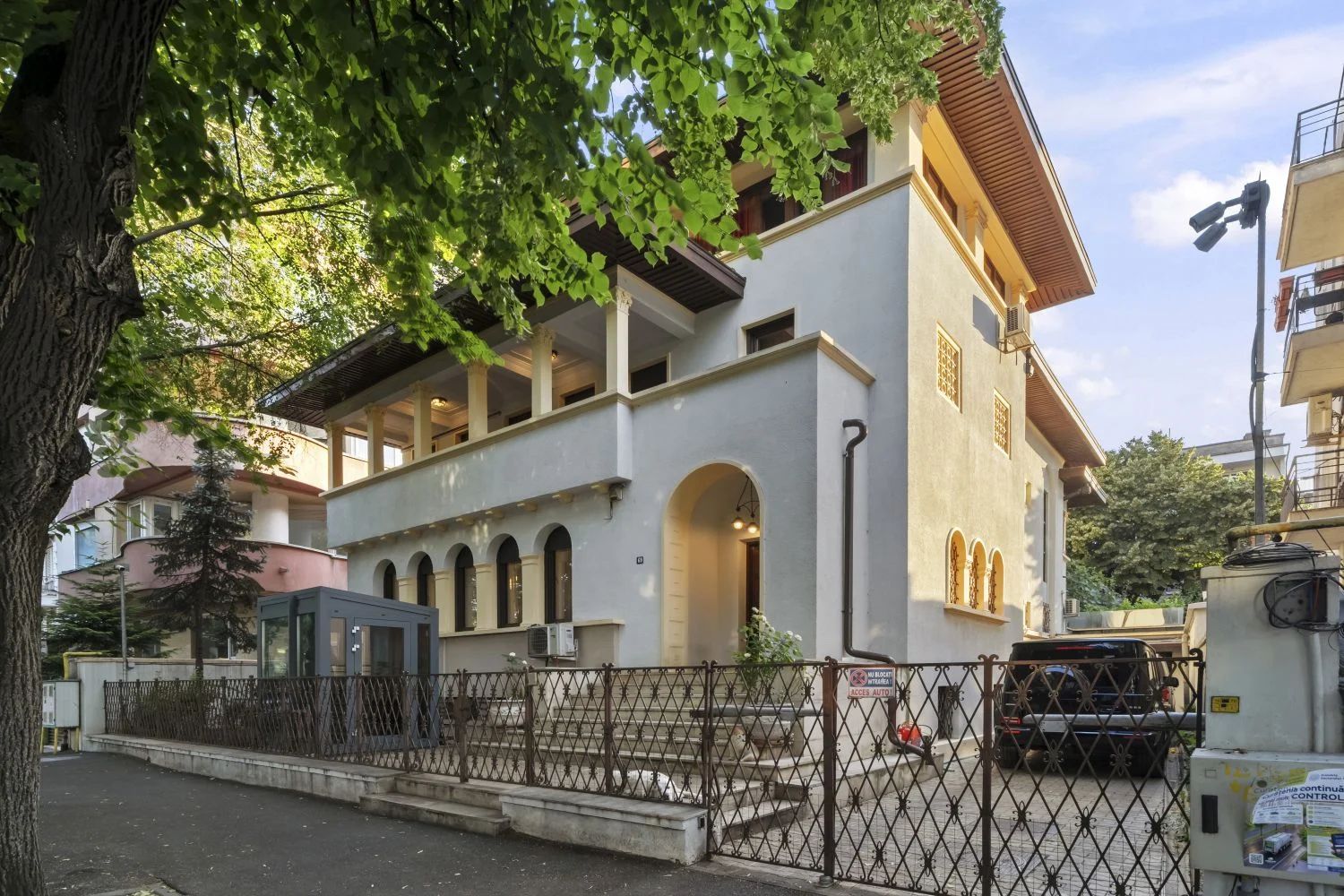
Aviatorilor, Bucuresti
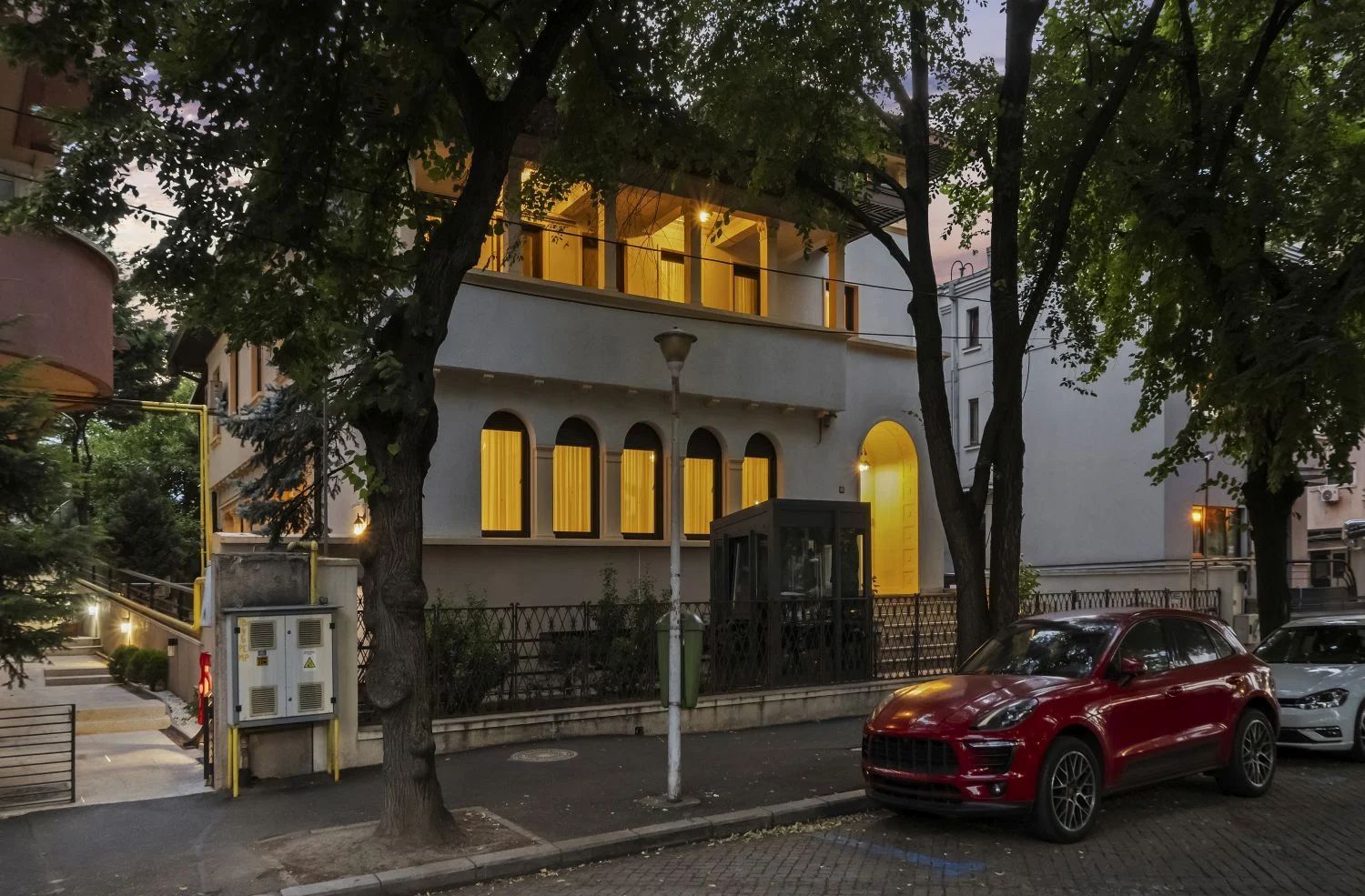
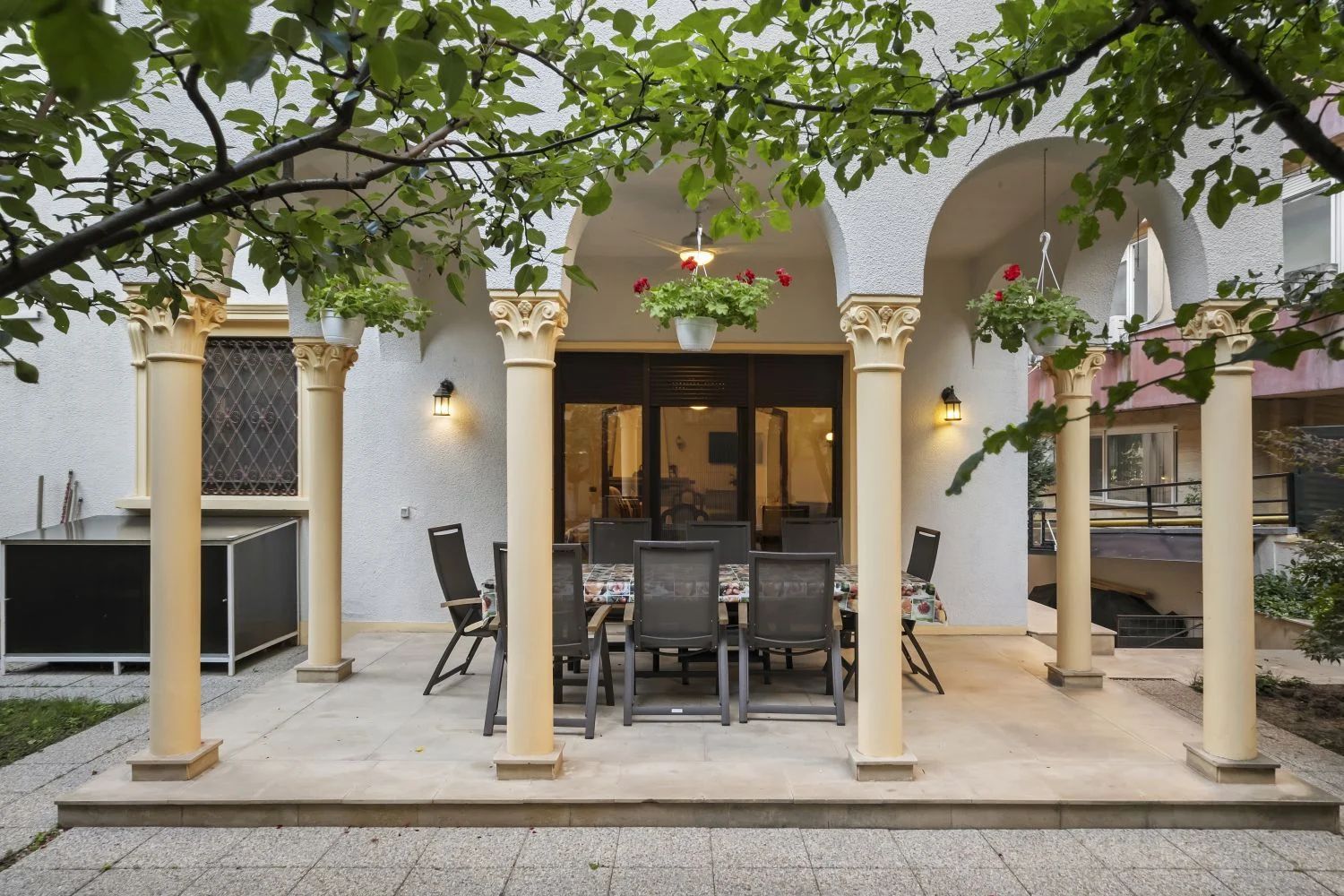
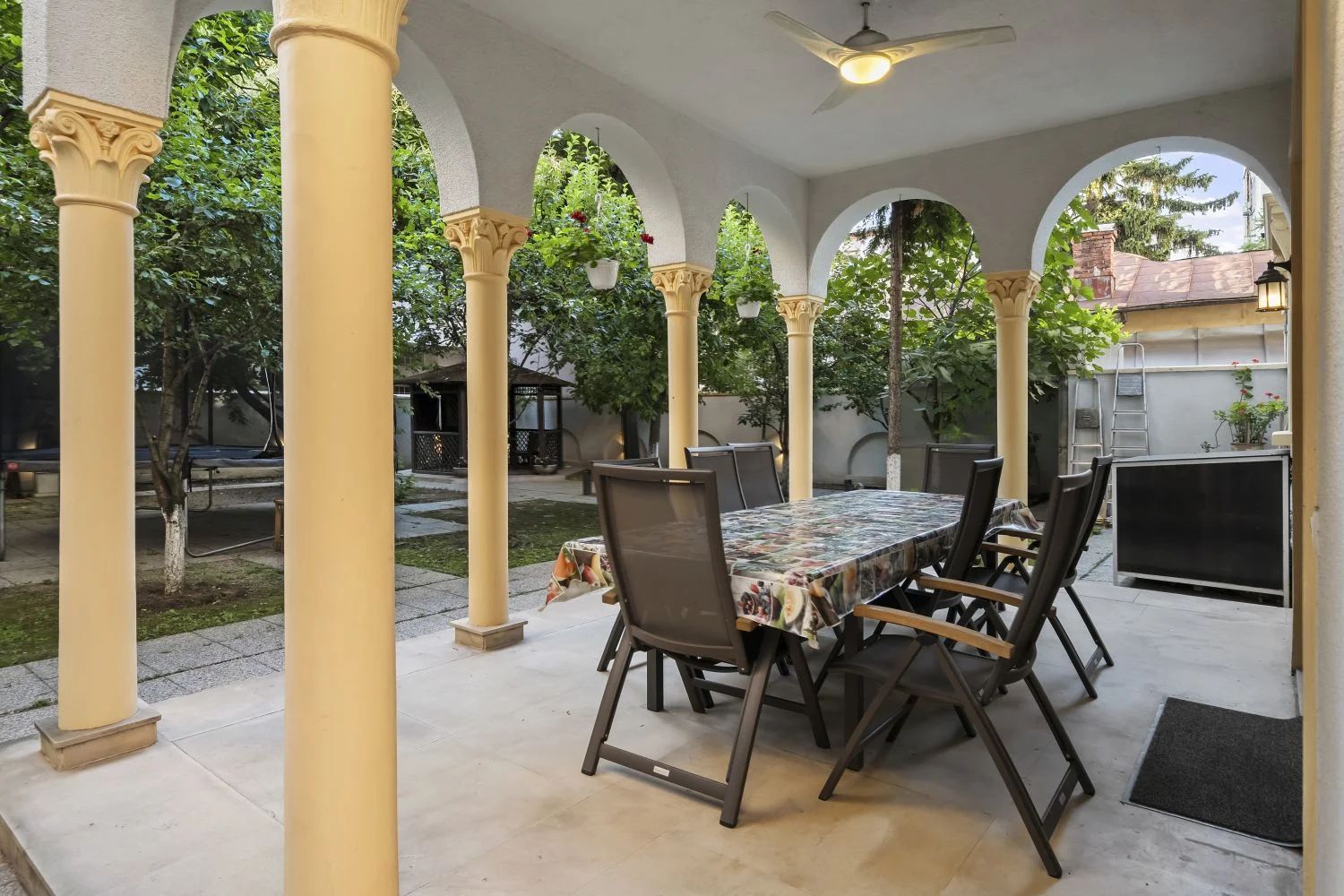
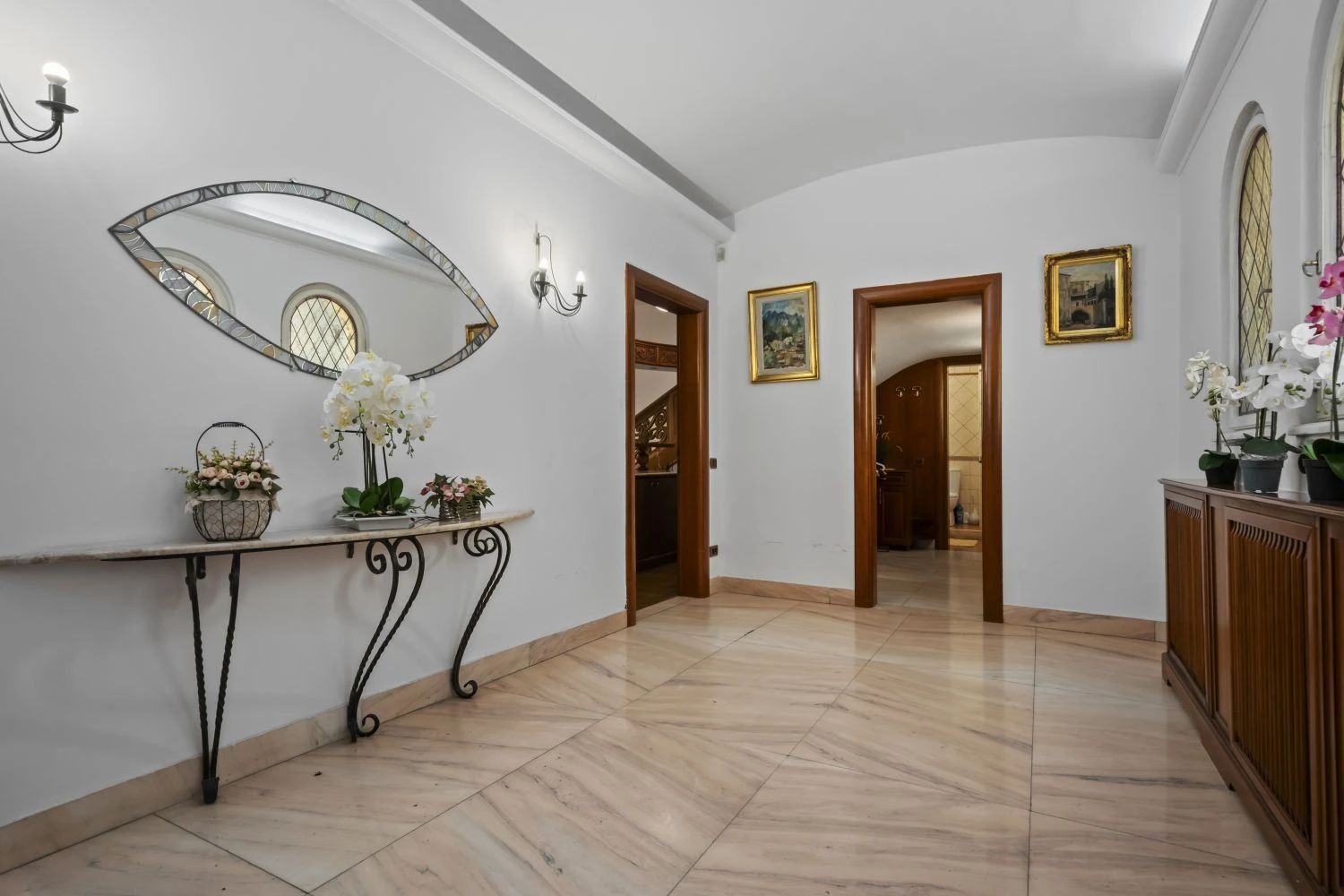
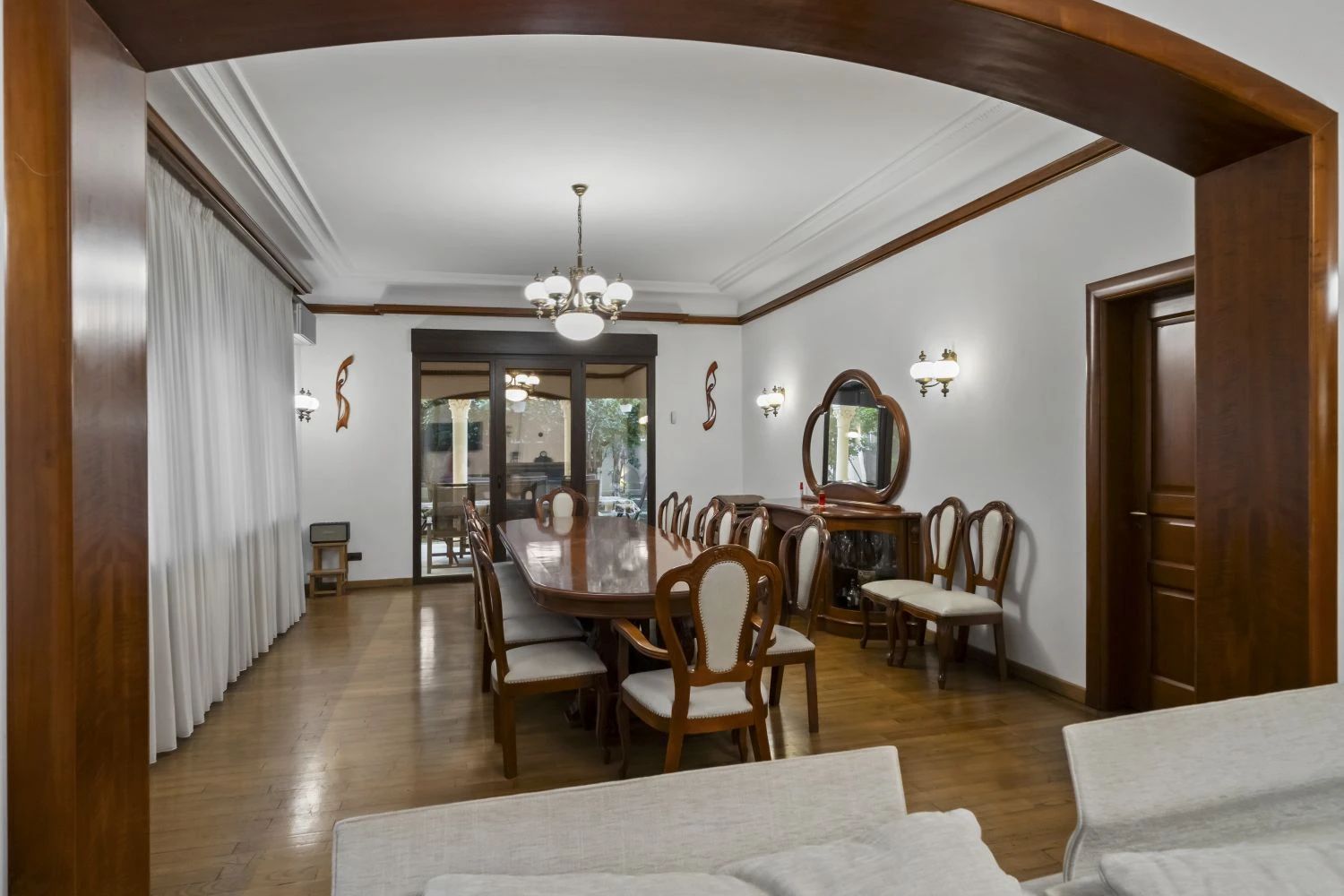
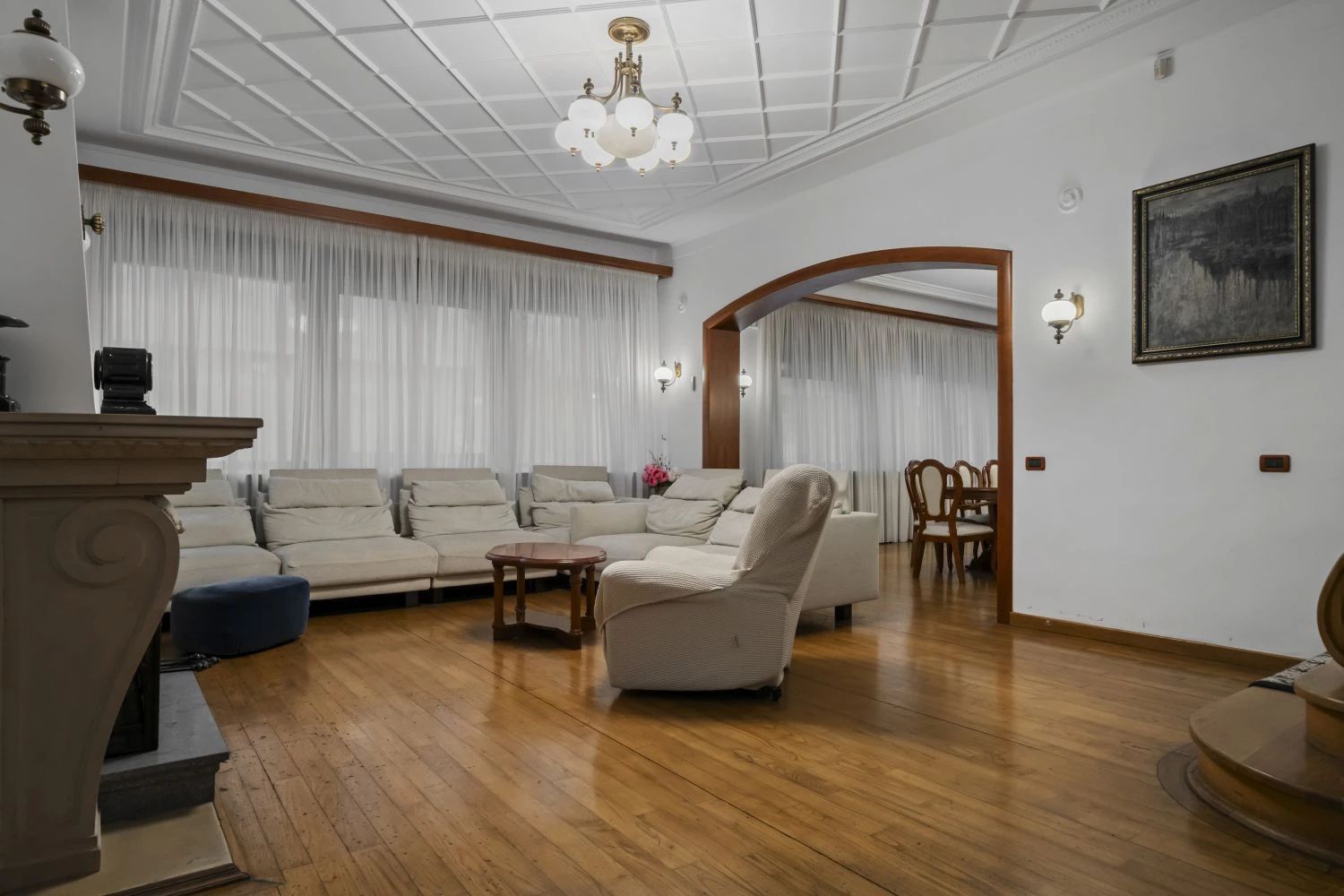
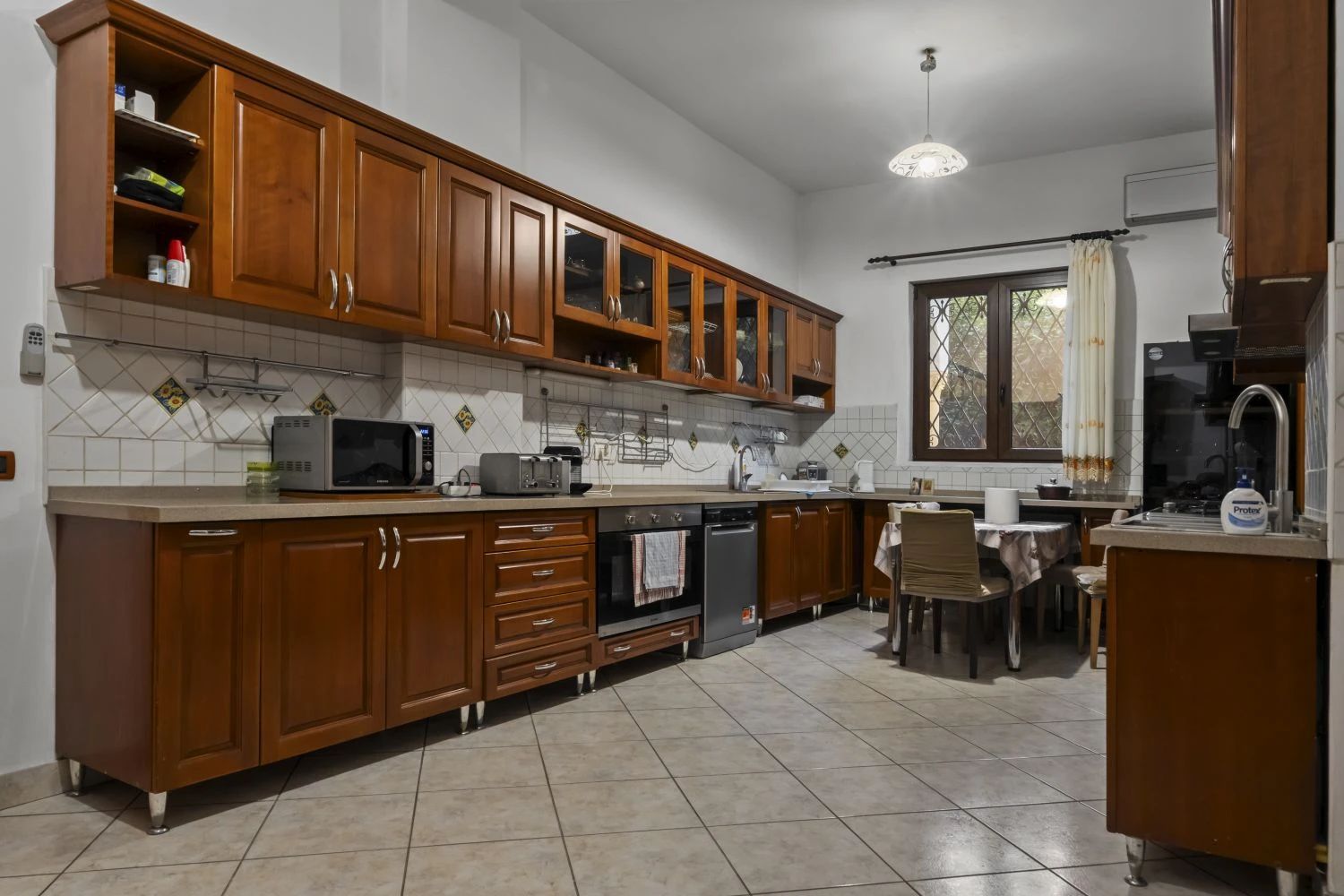
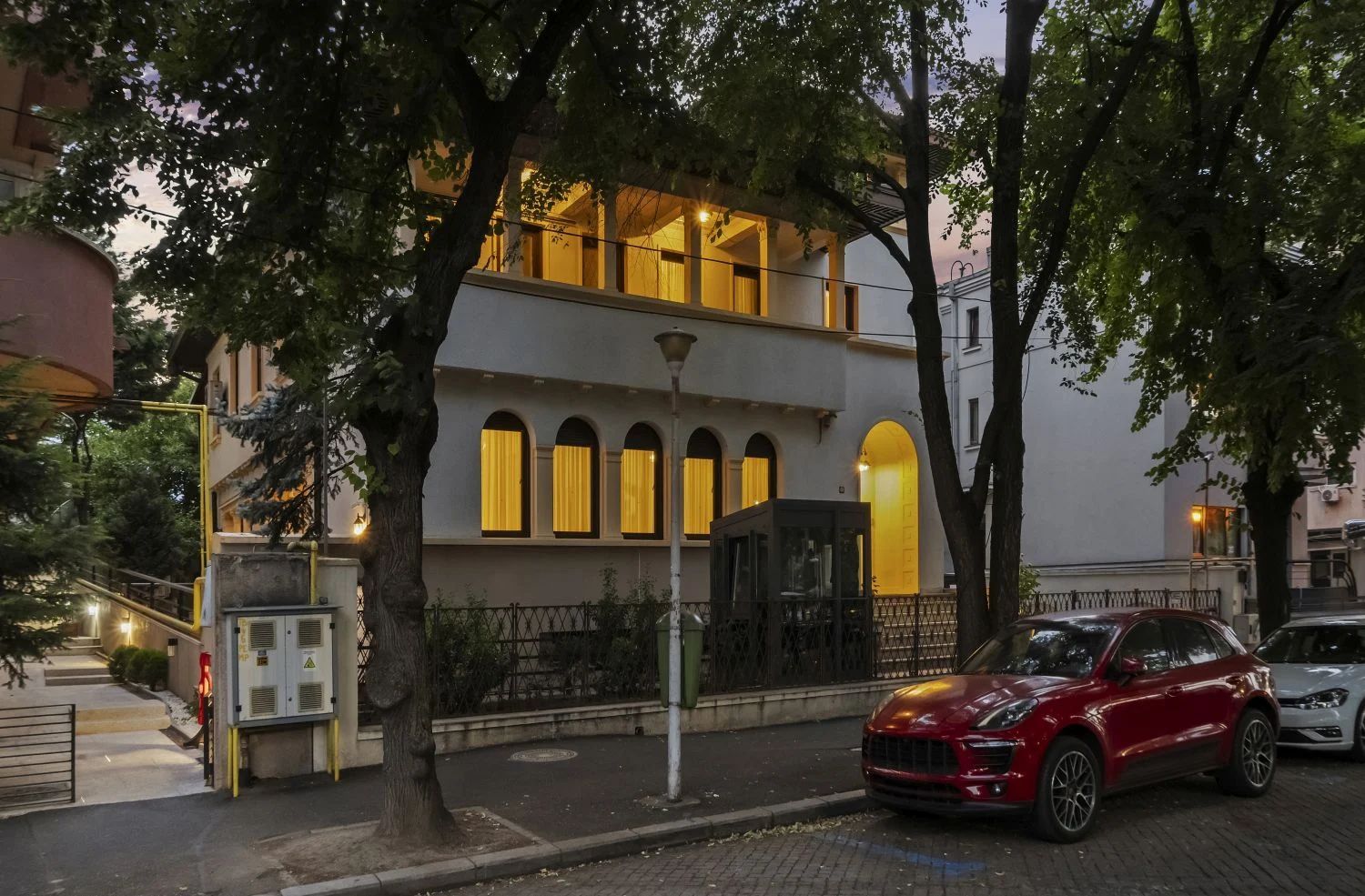
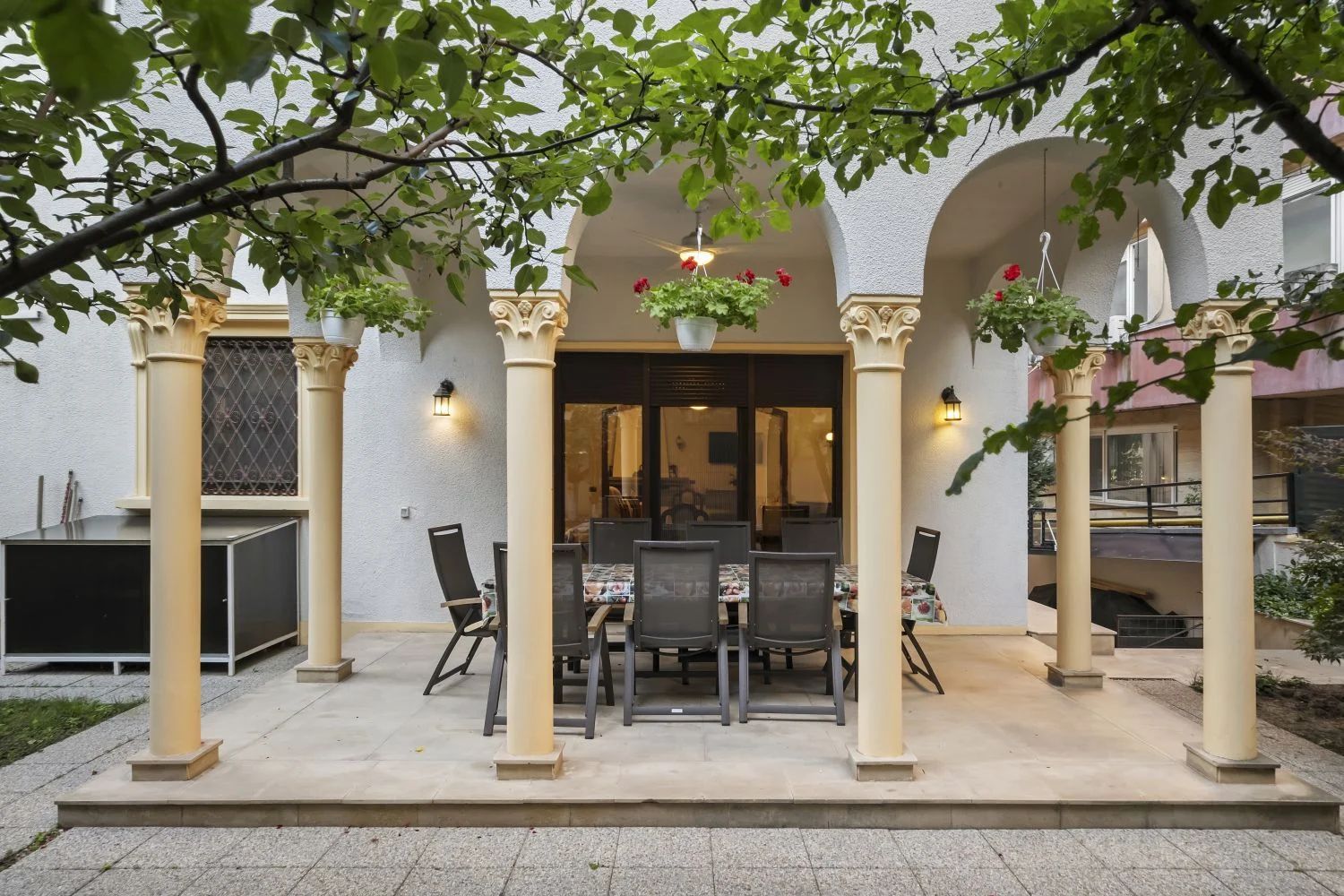
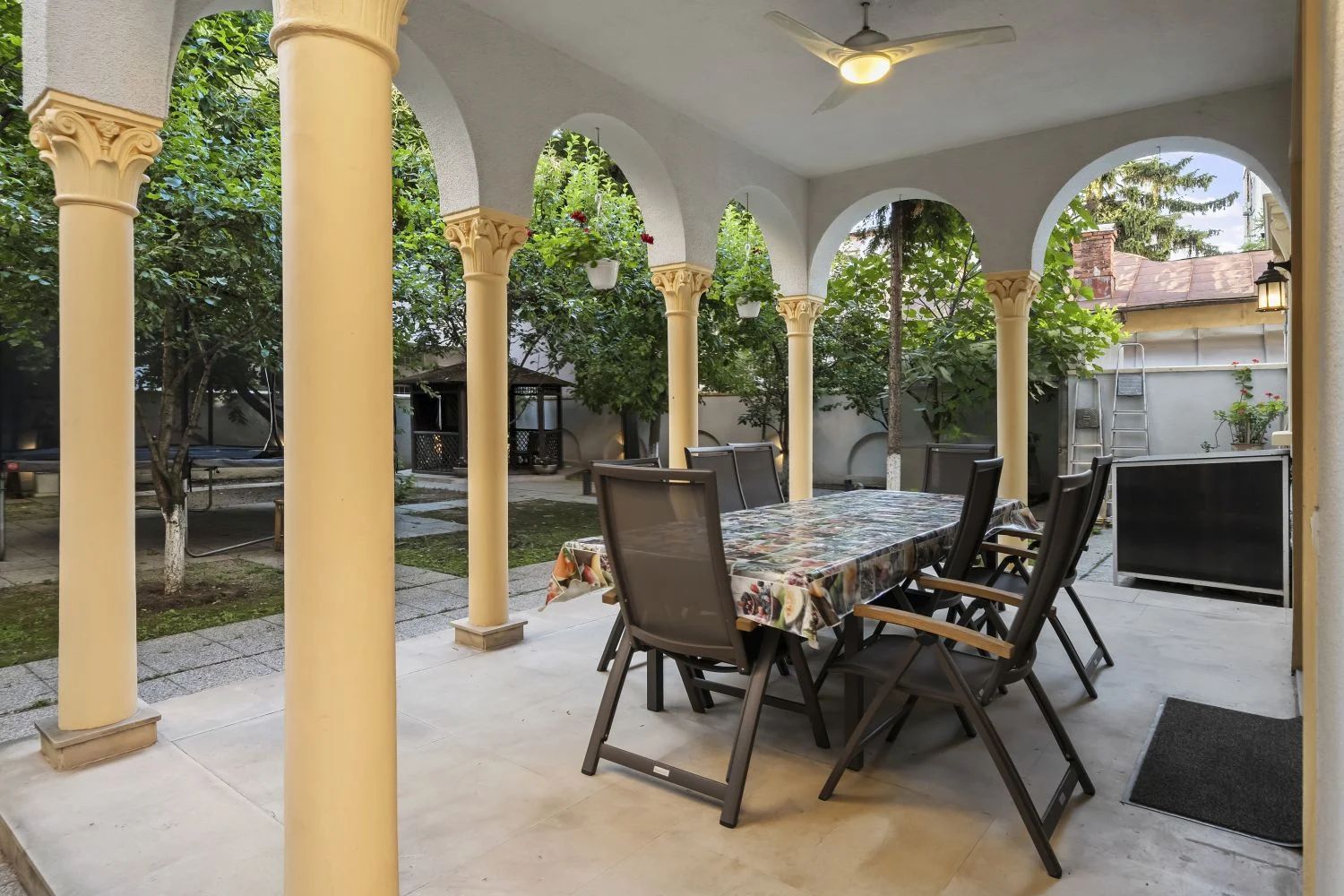
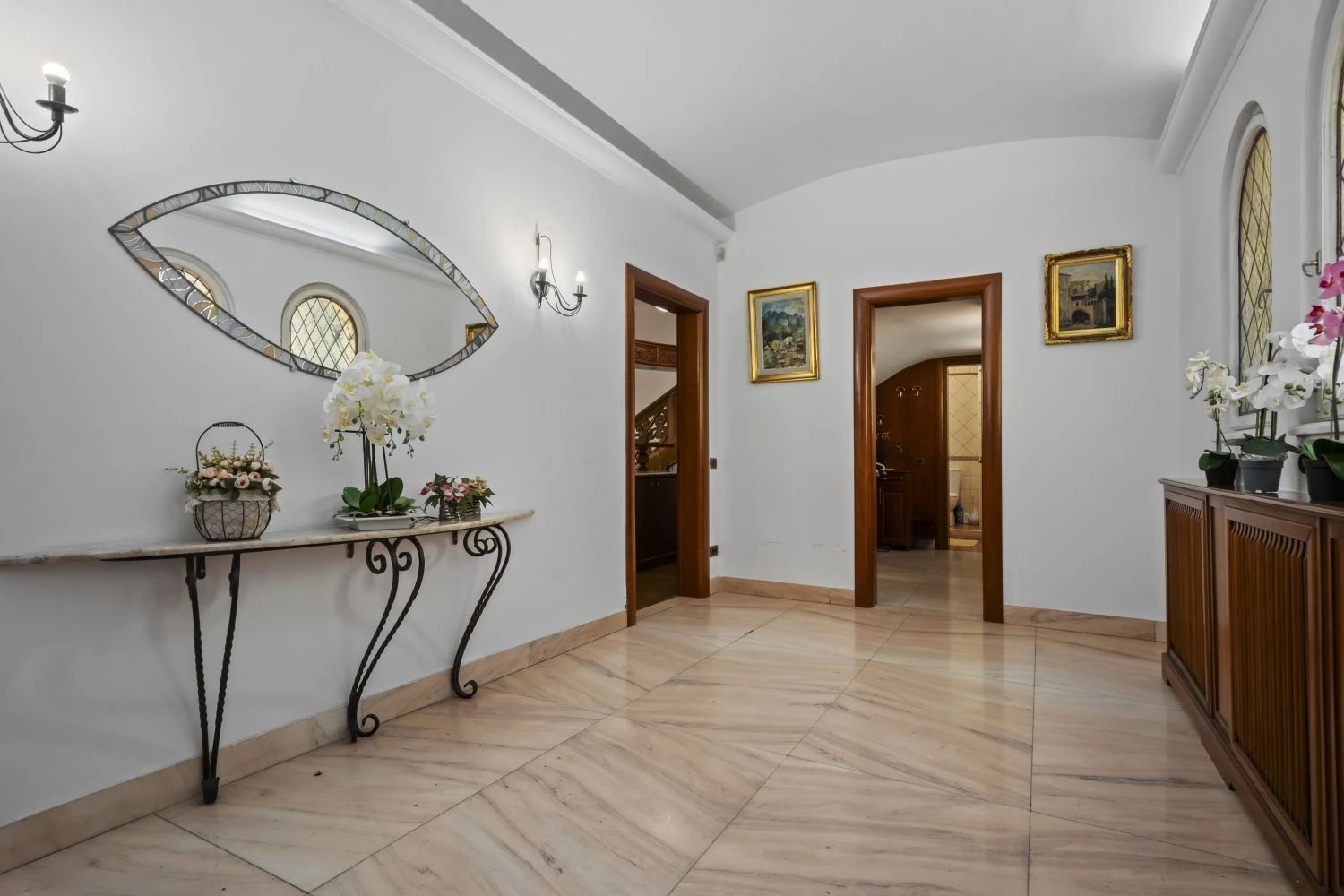
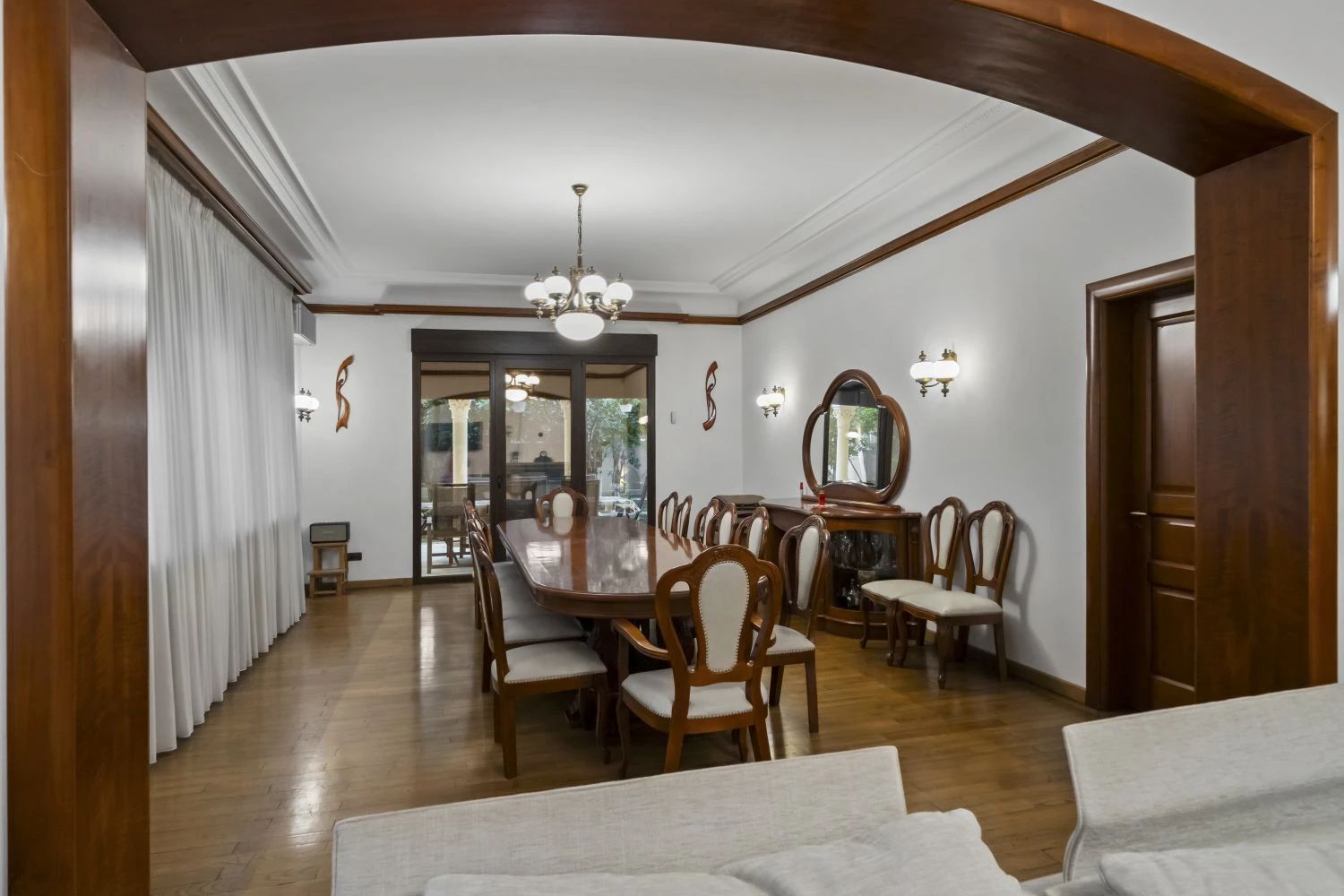
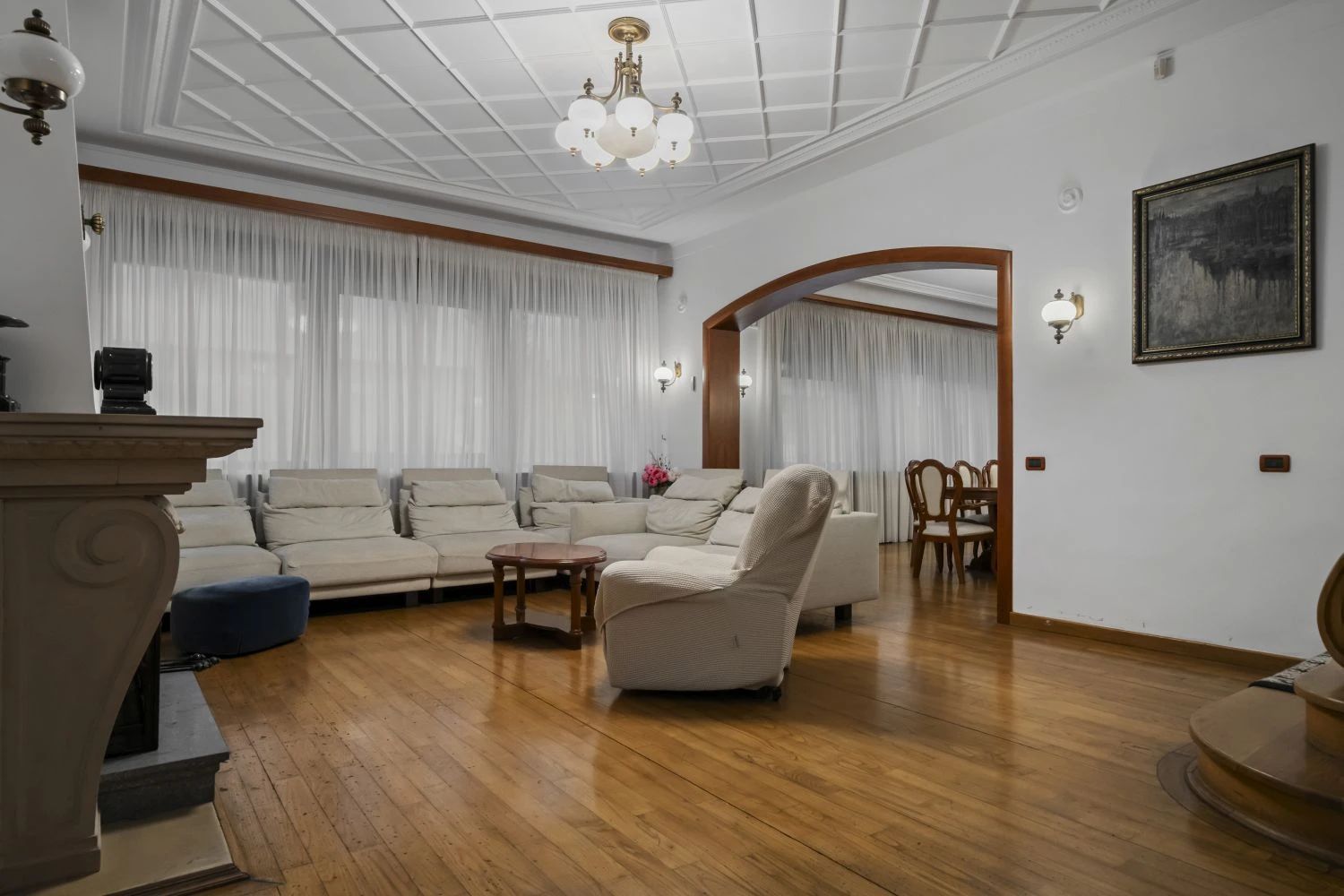
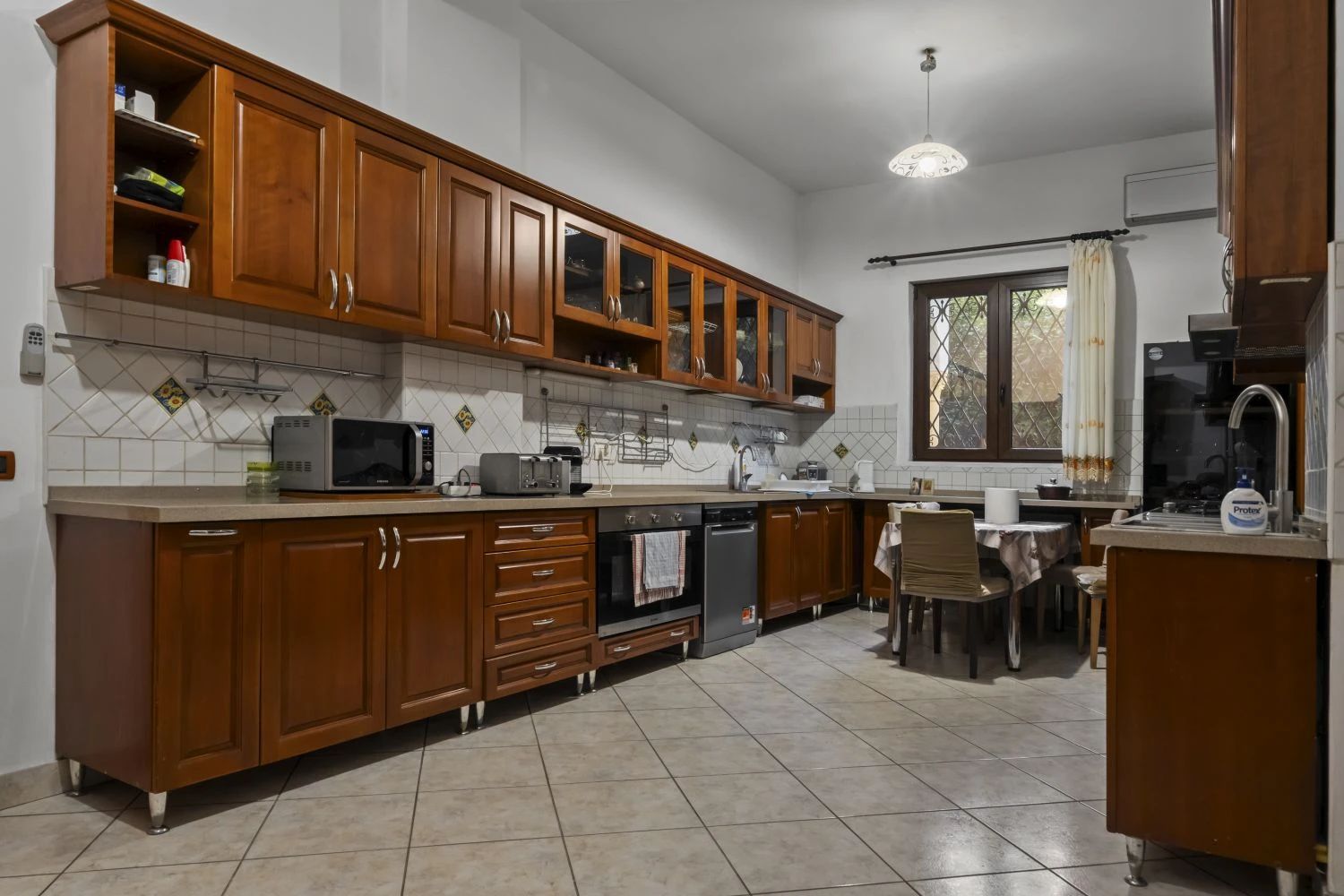
Rare property on Aviatorilor Boulevard. Premium villa, impressive courtyard
20,000 € / month
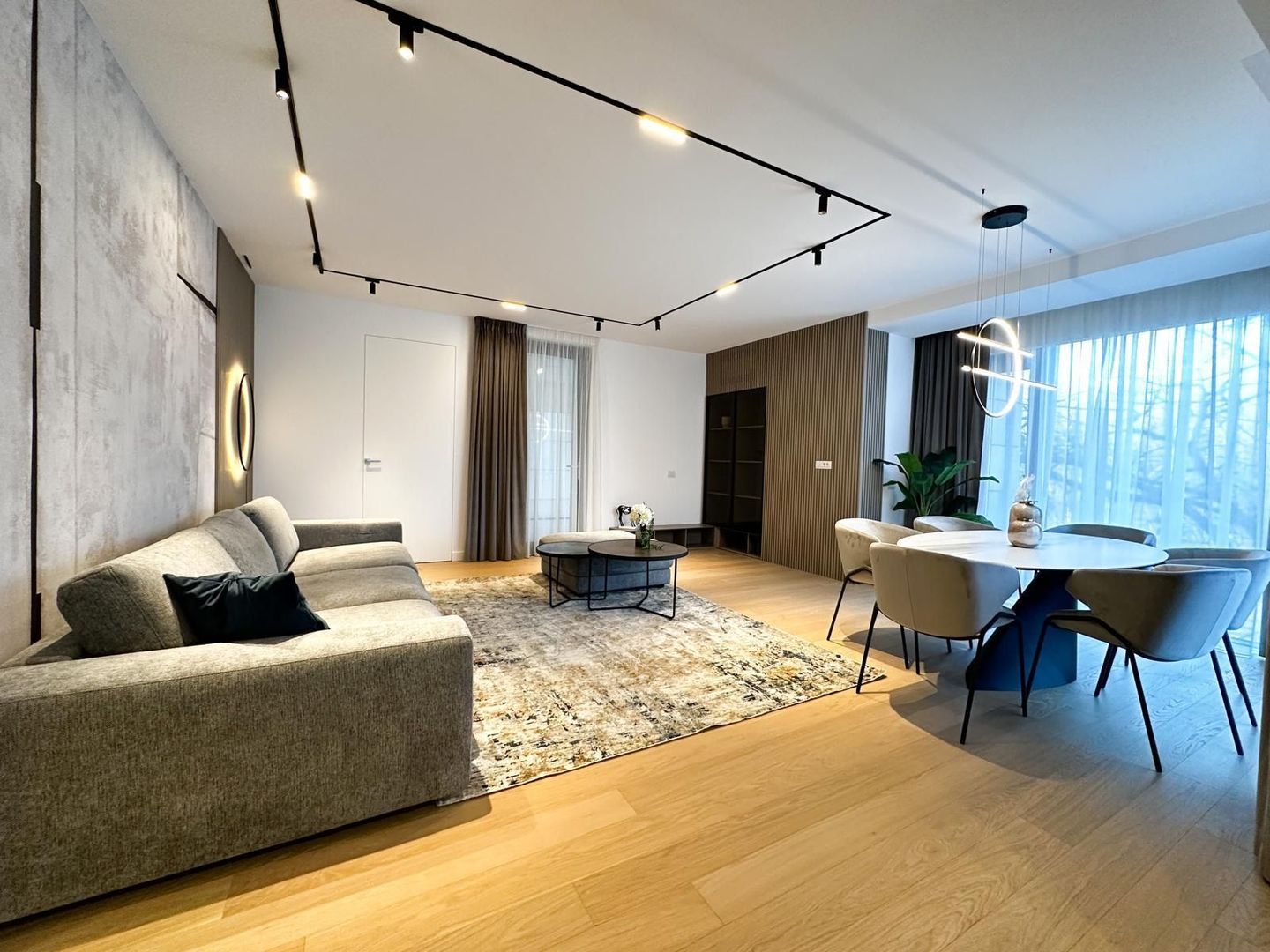
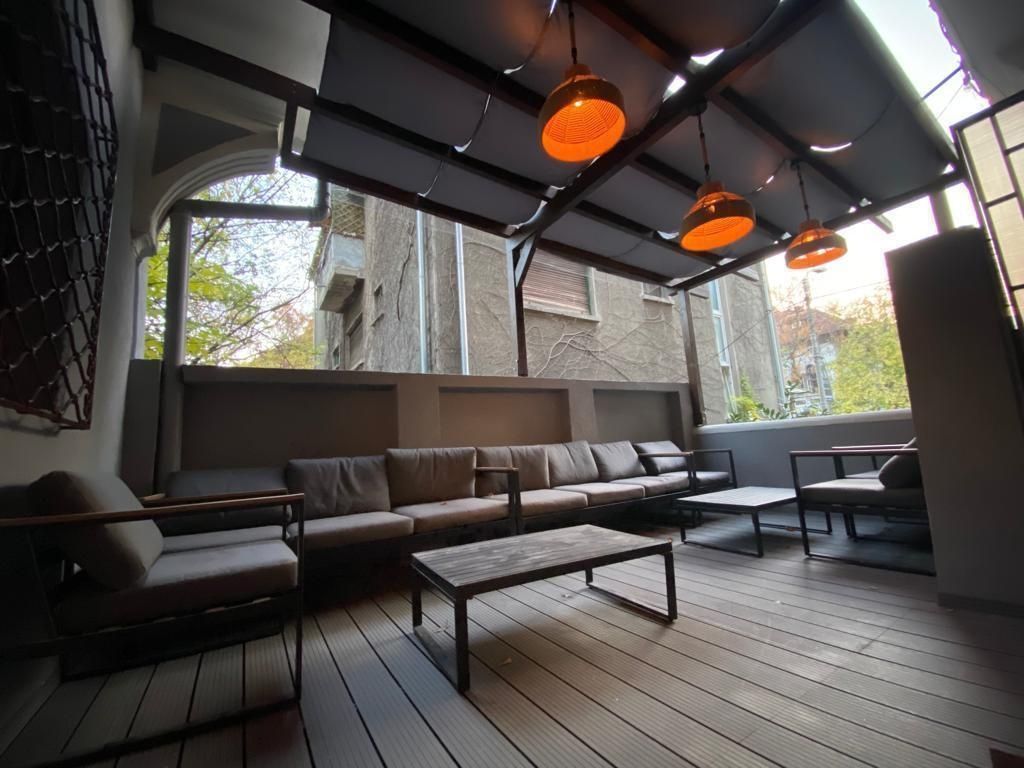
Aviatorilor, Bucuresti
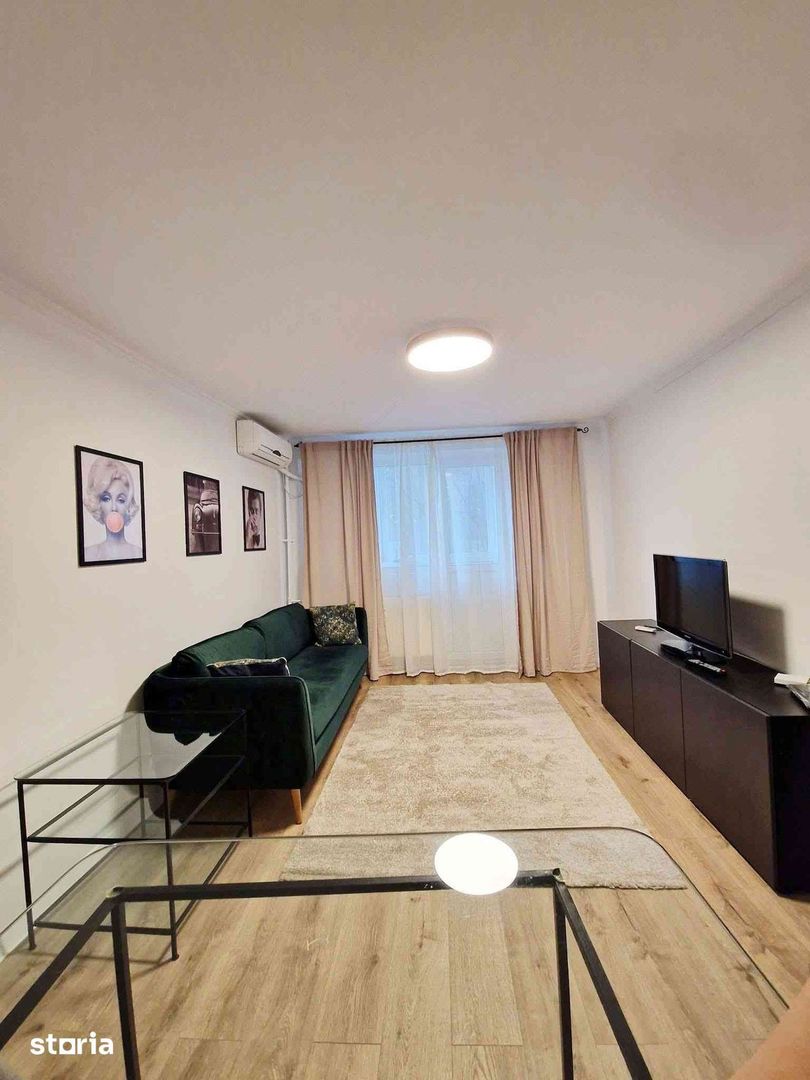
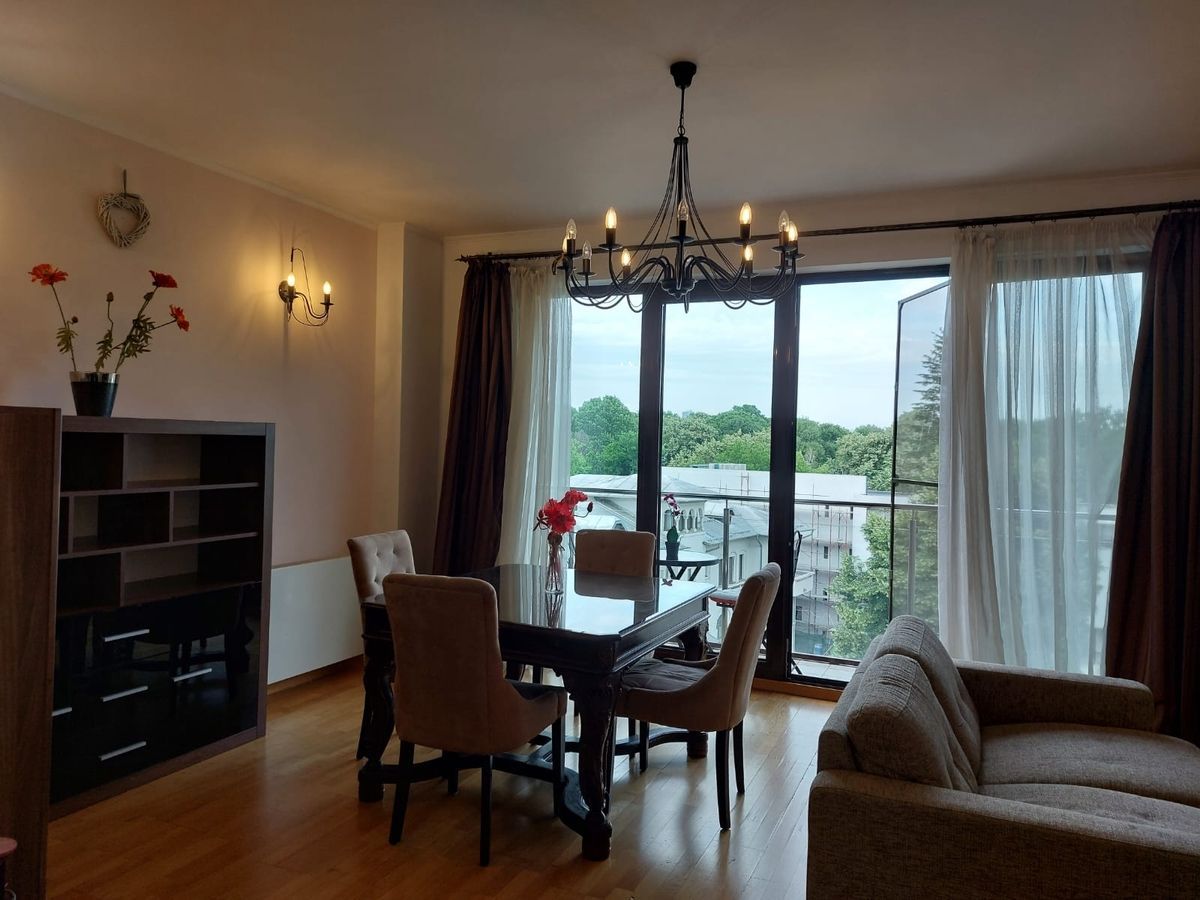
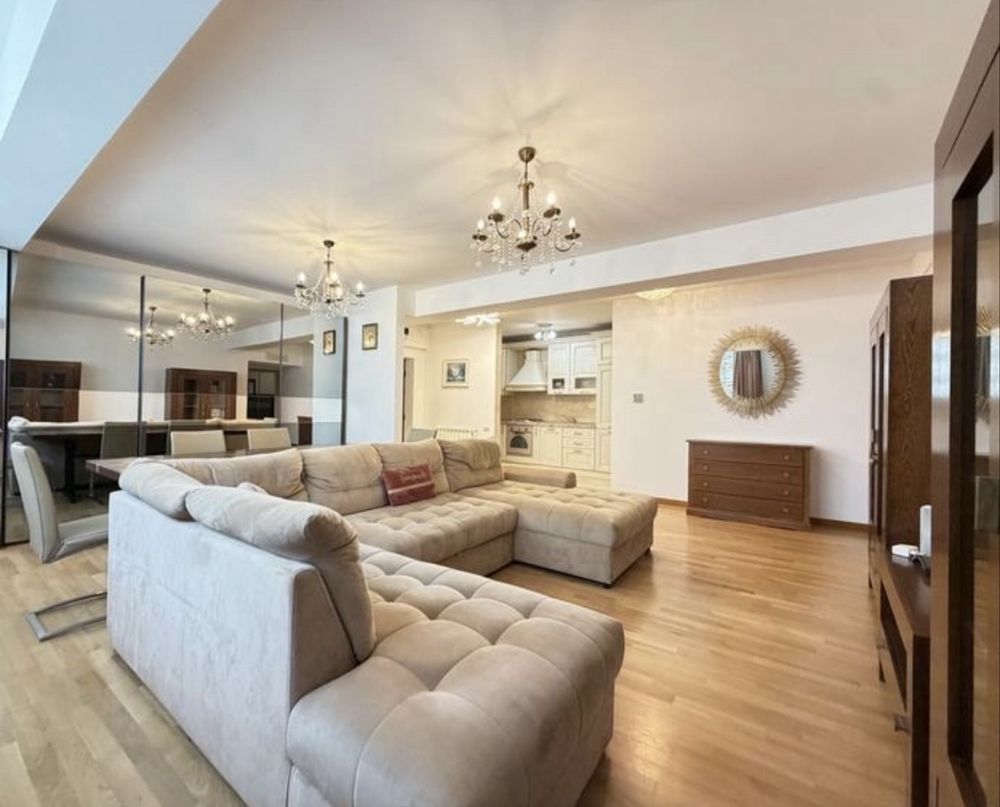
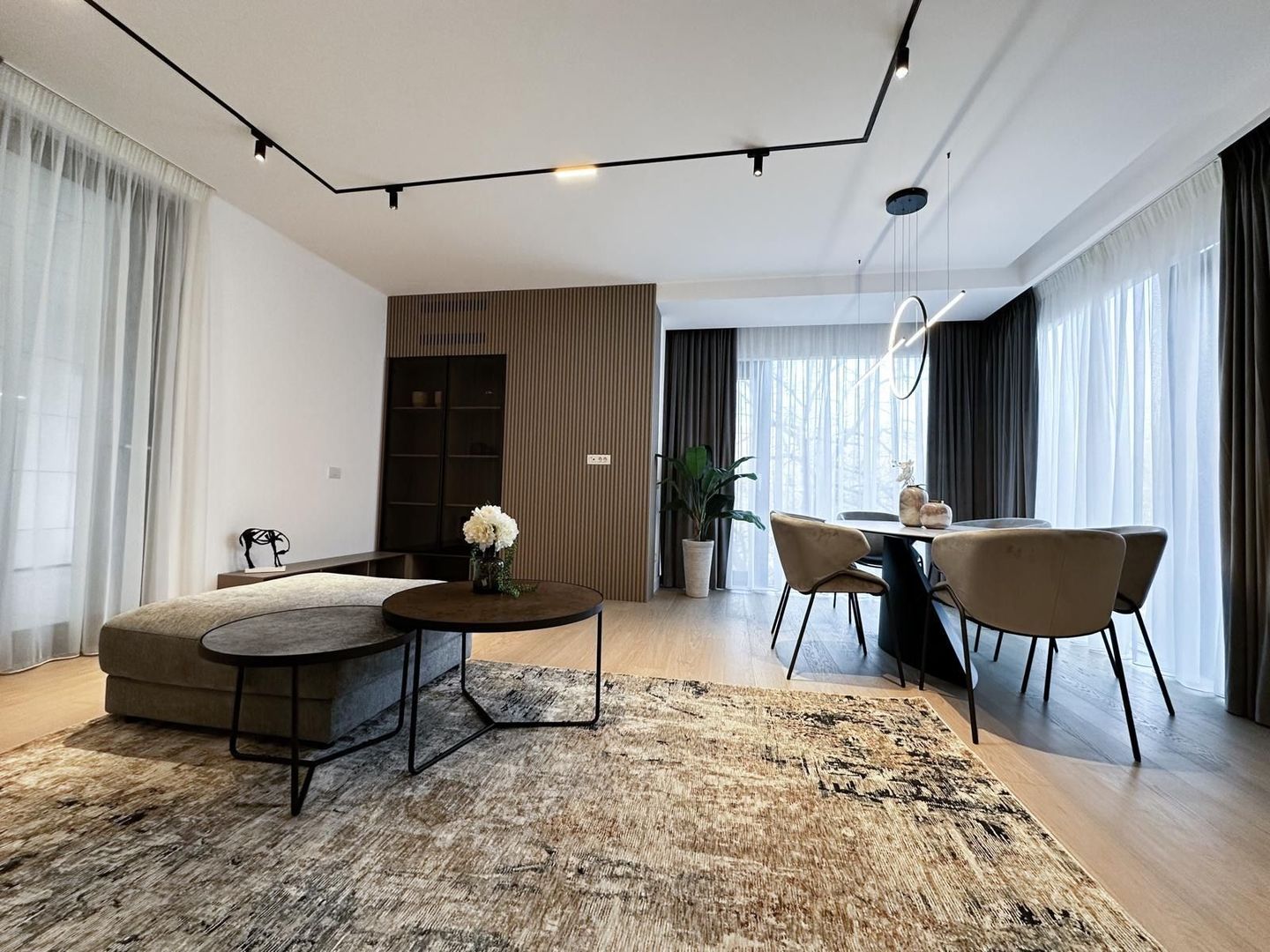
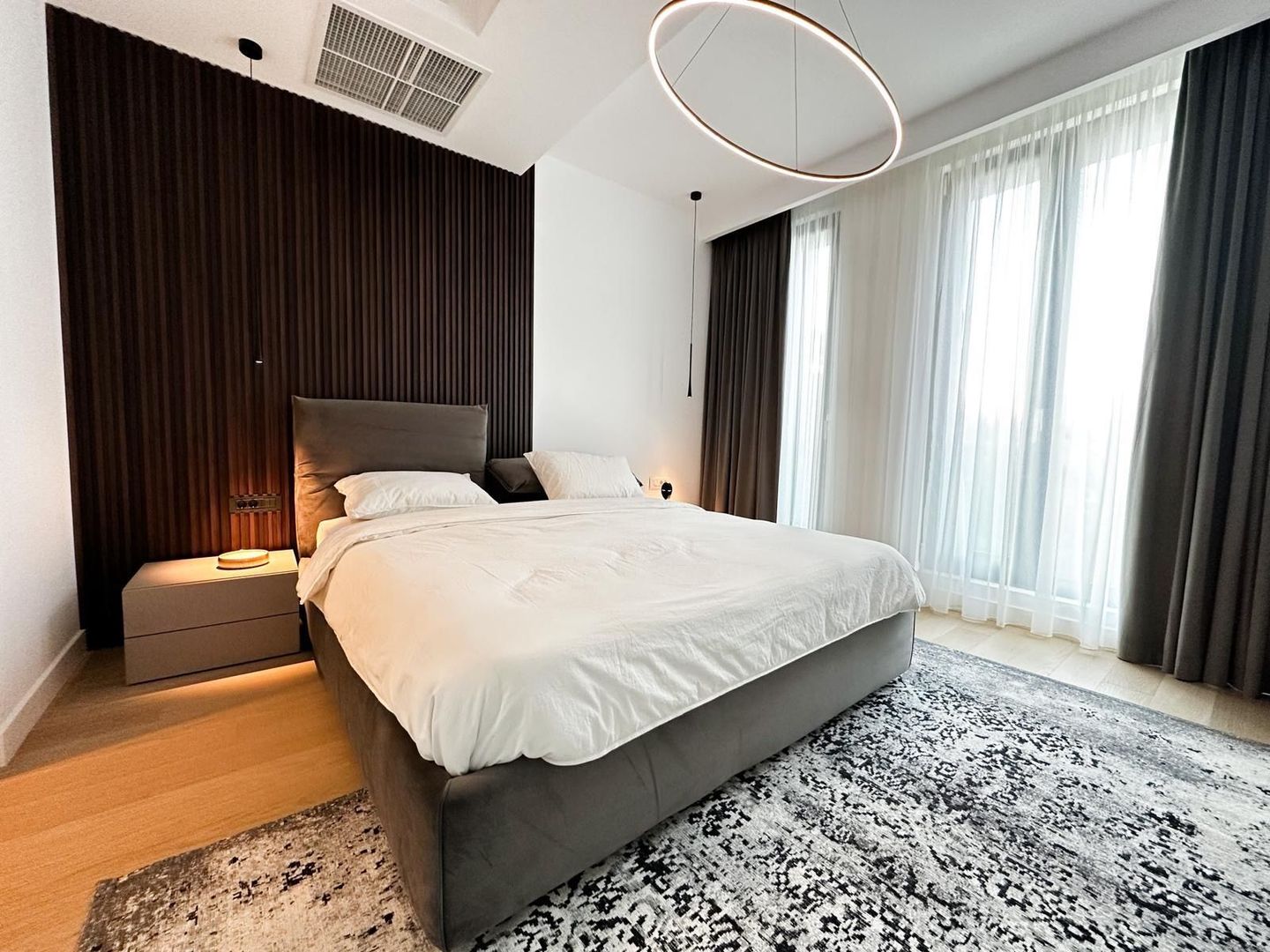
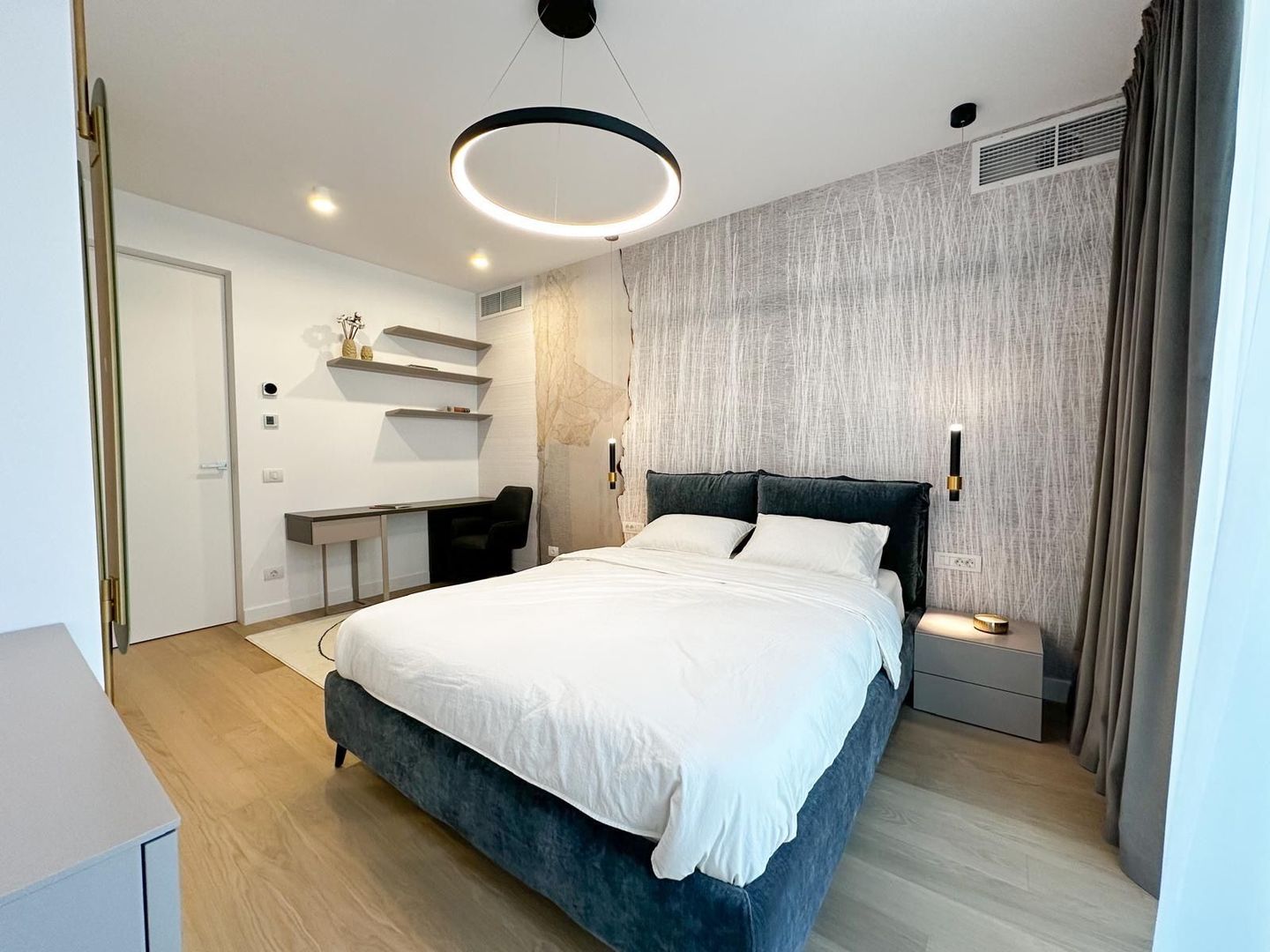
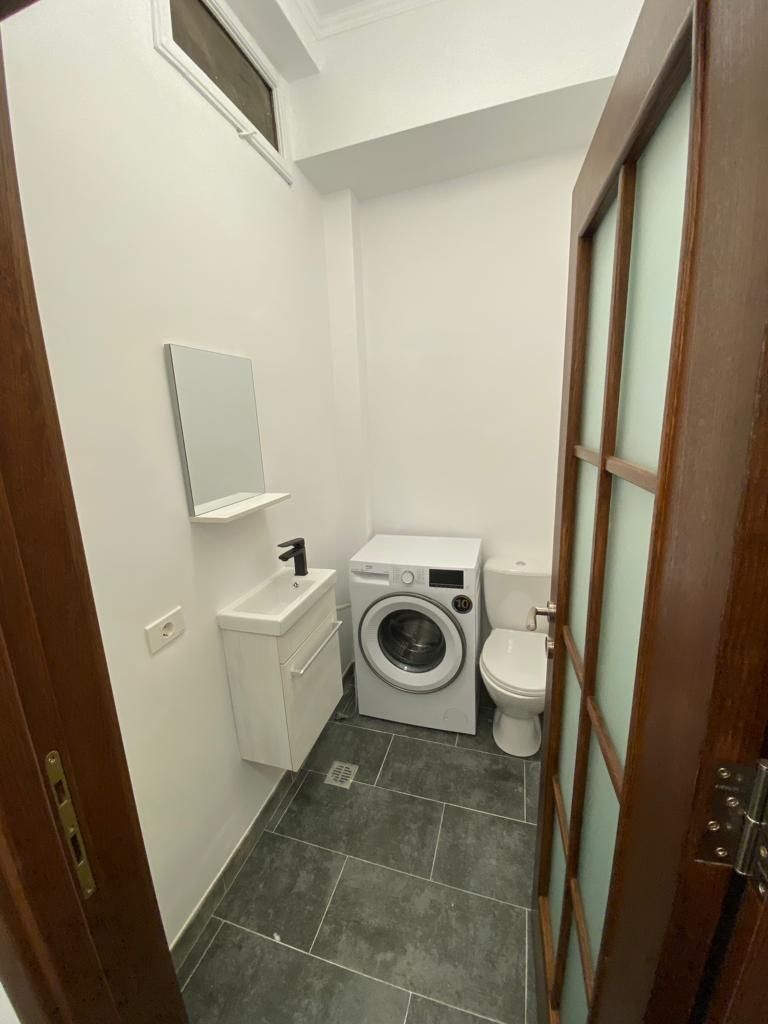
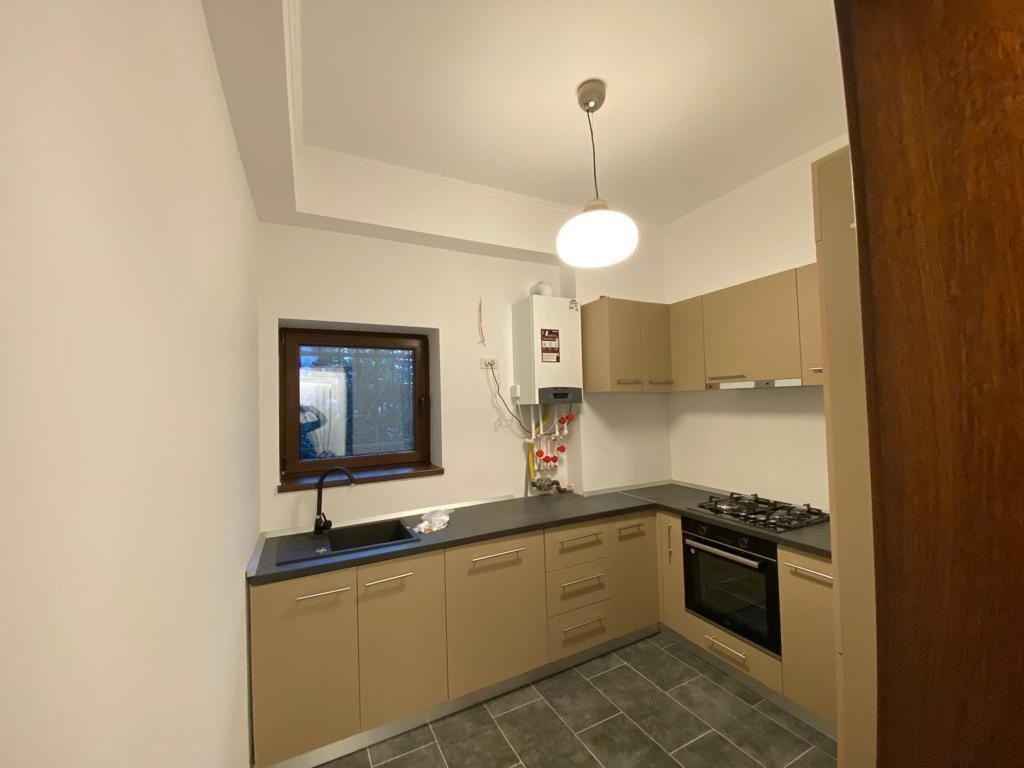
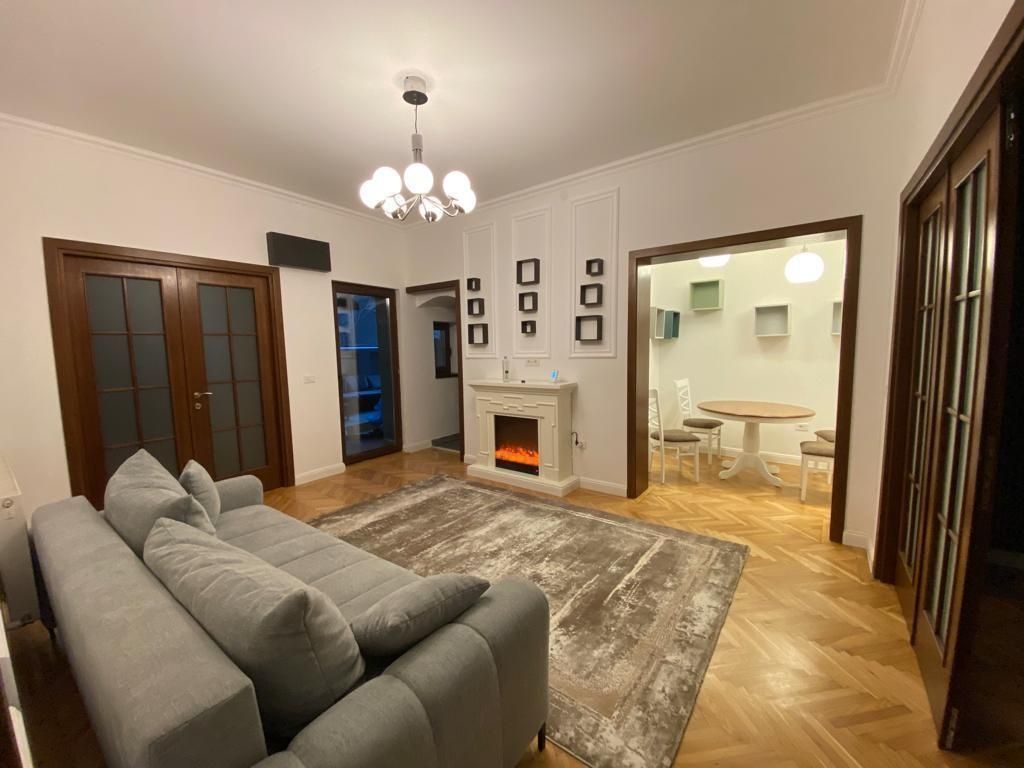
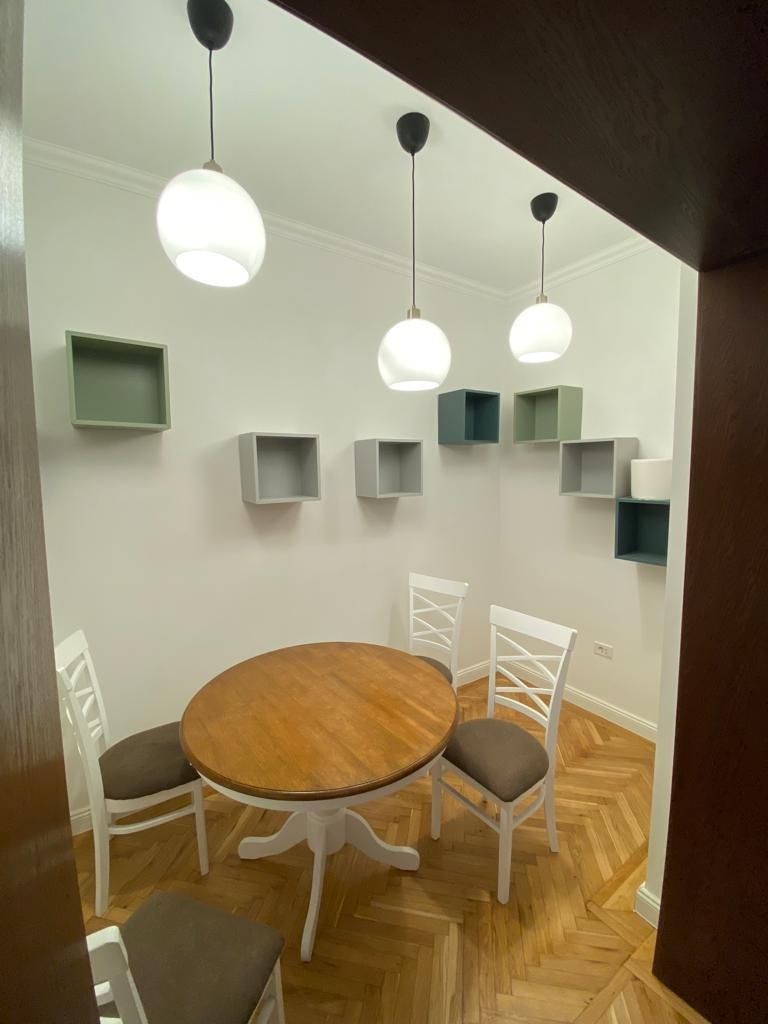
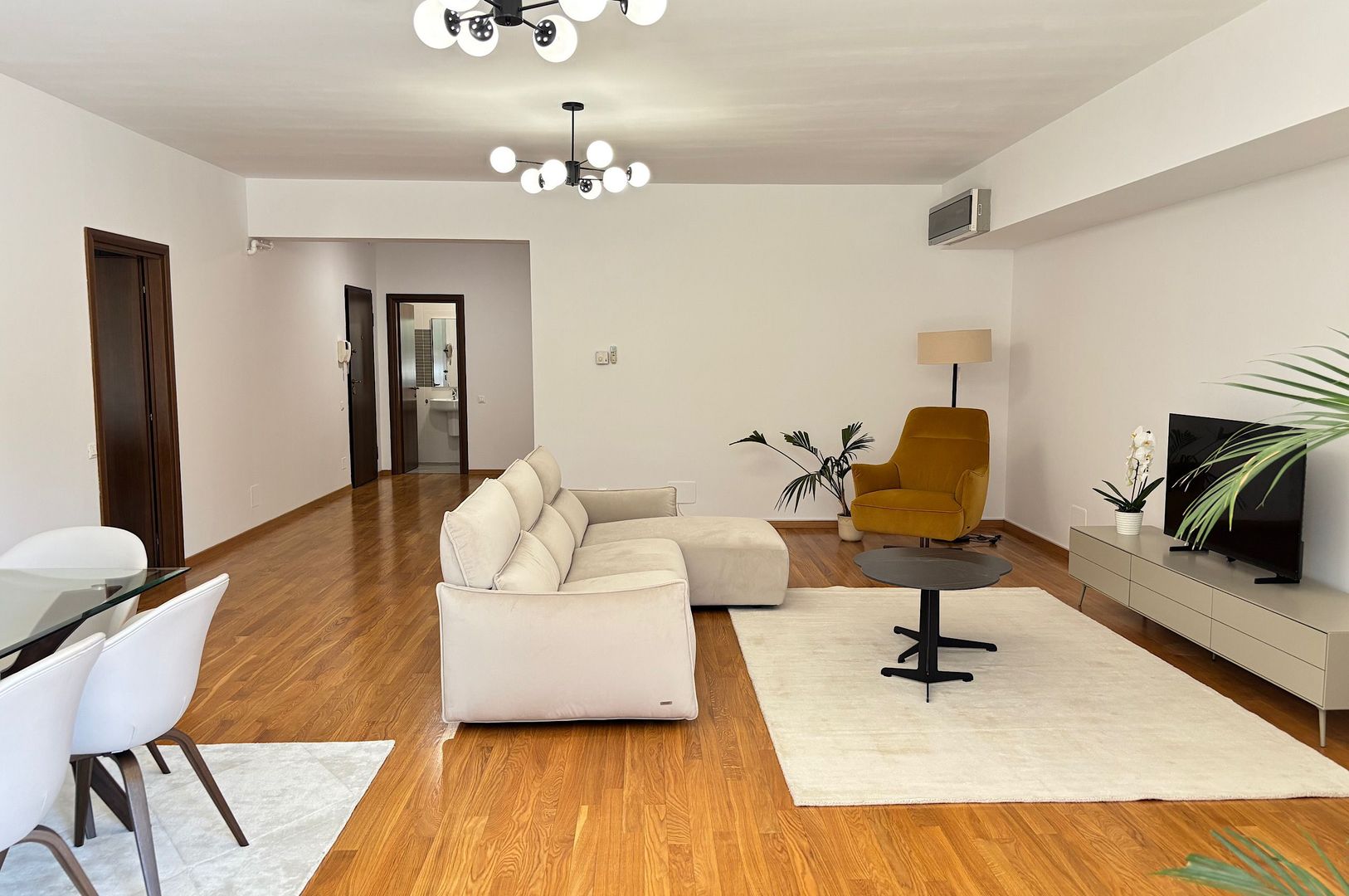
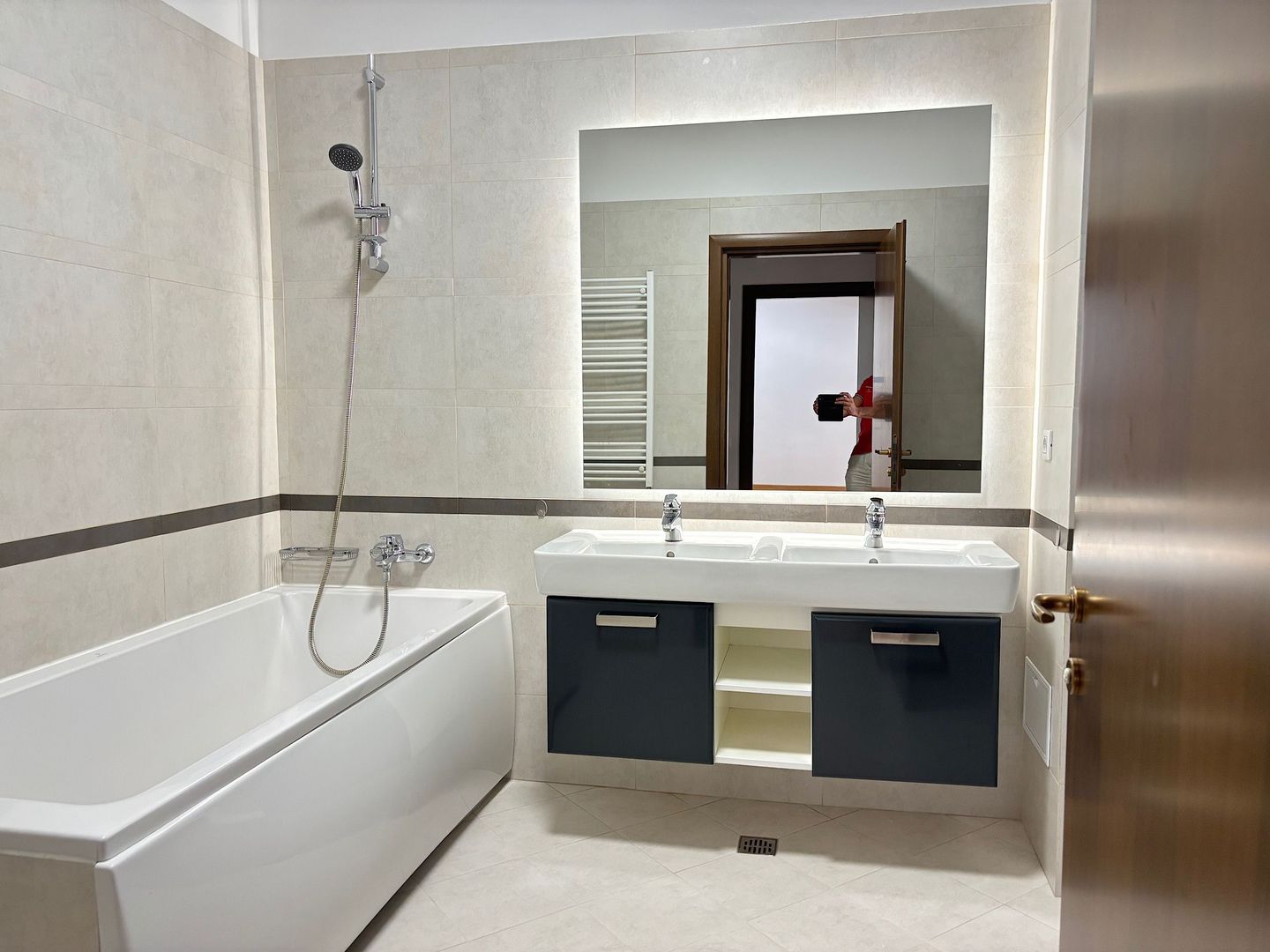
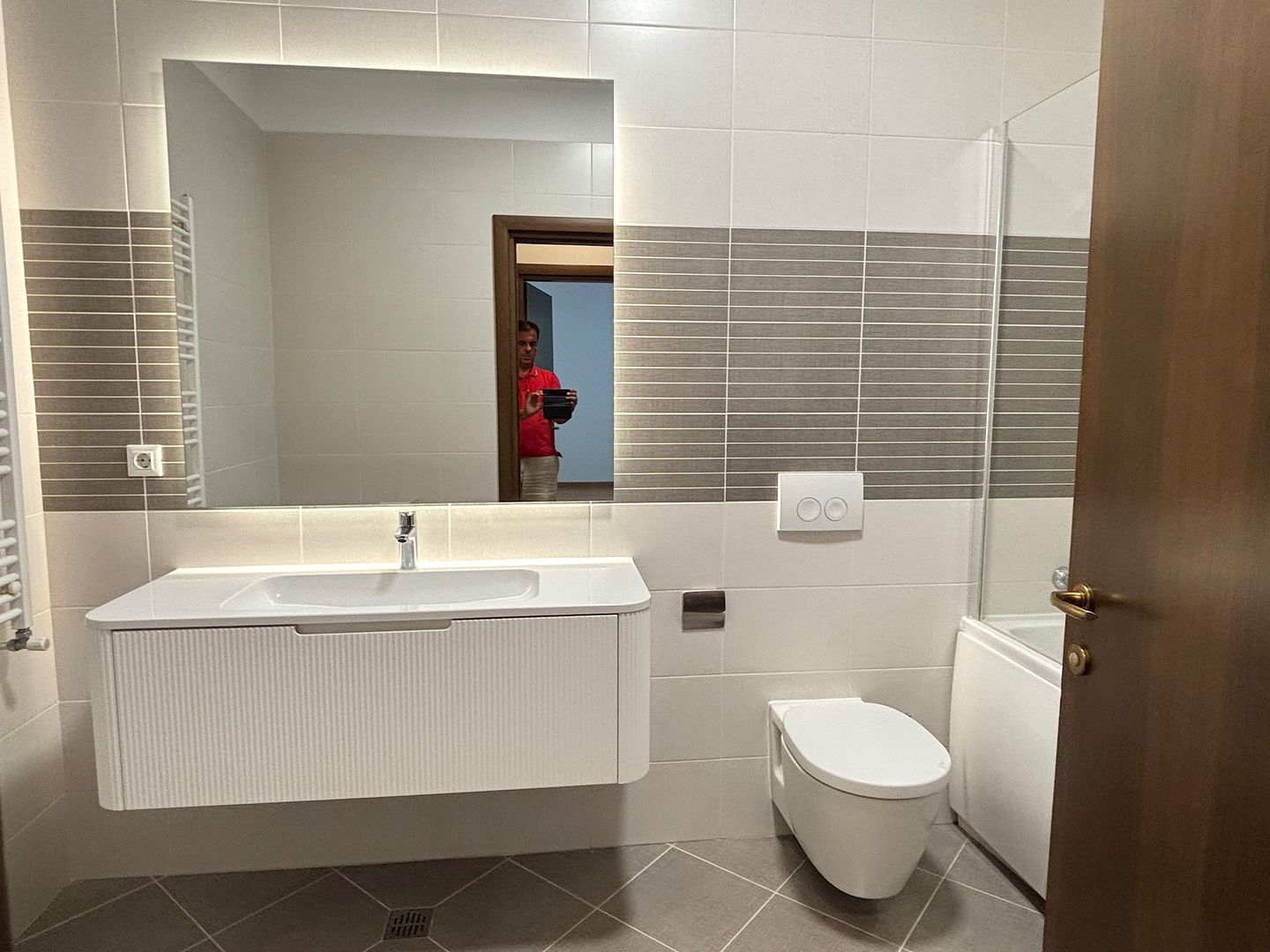
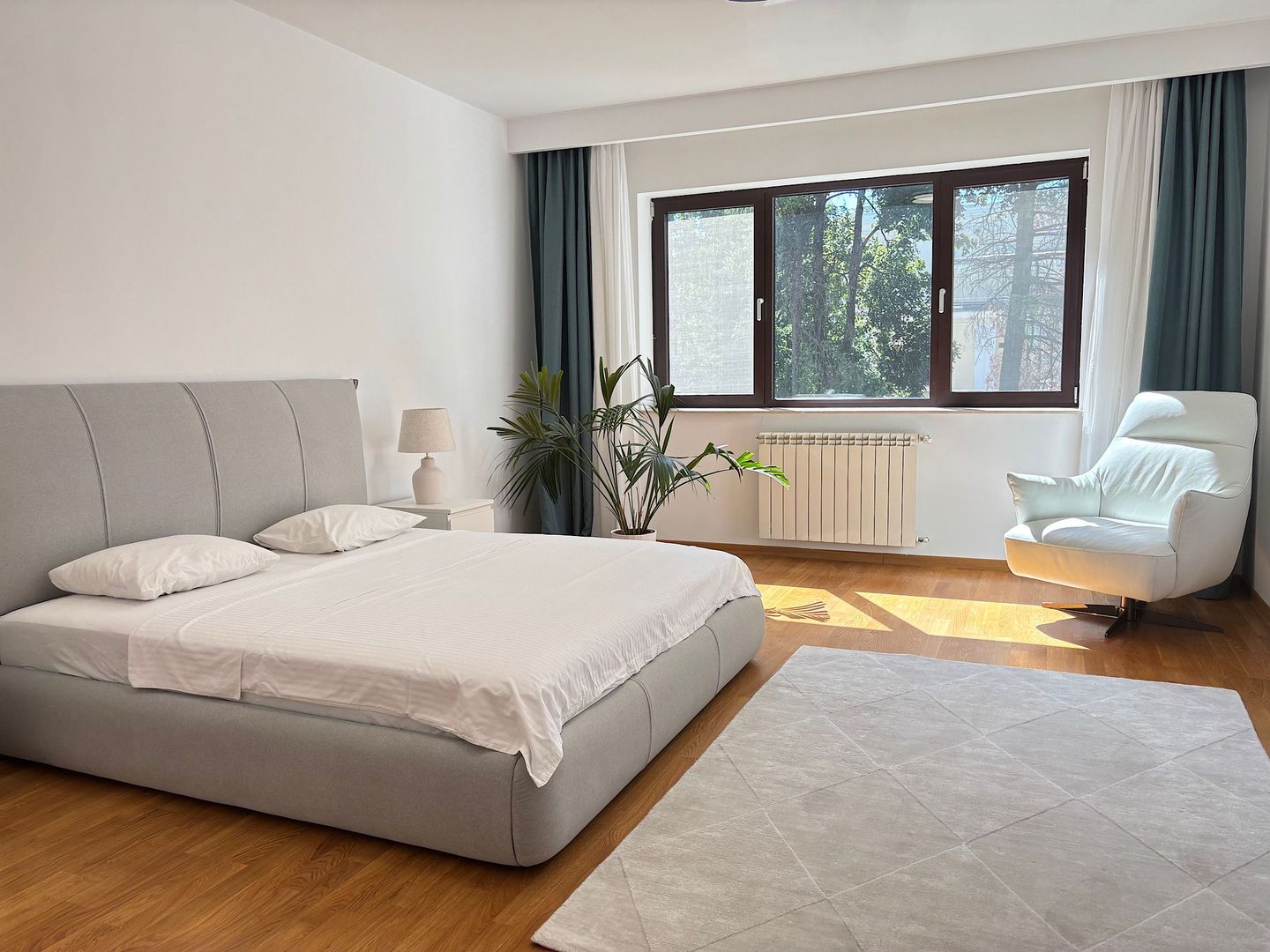
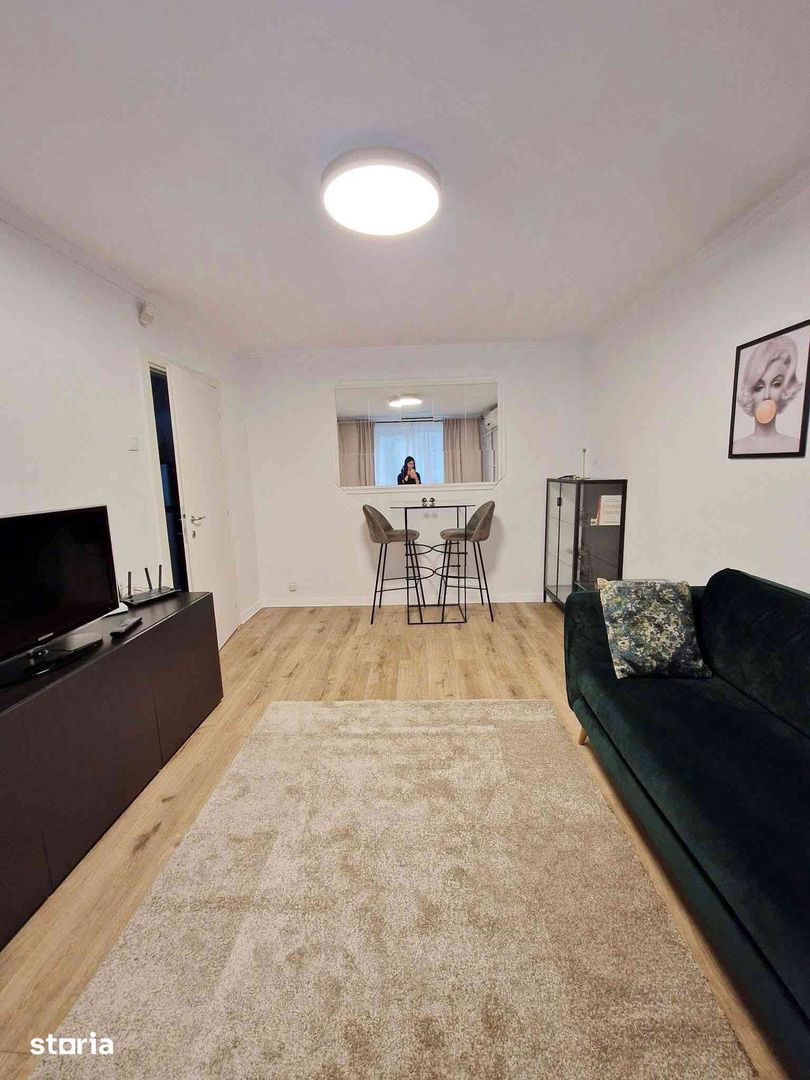
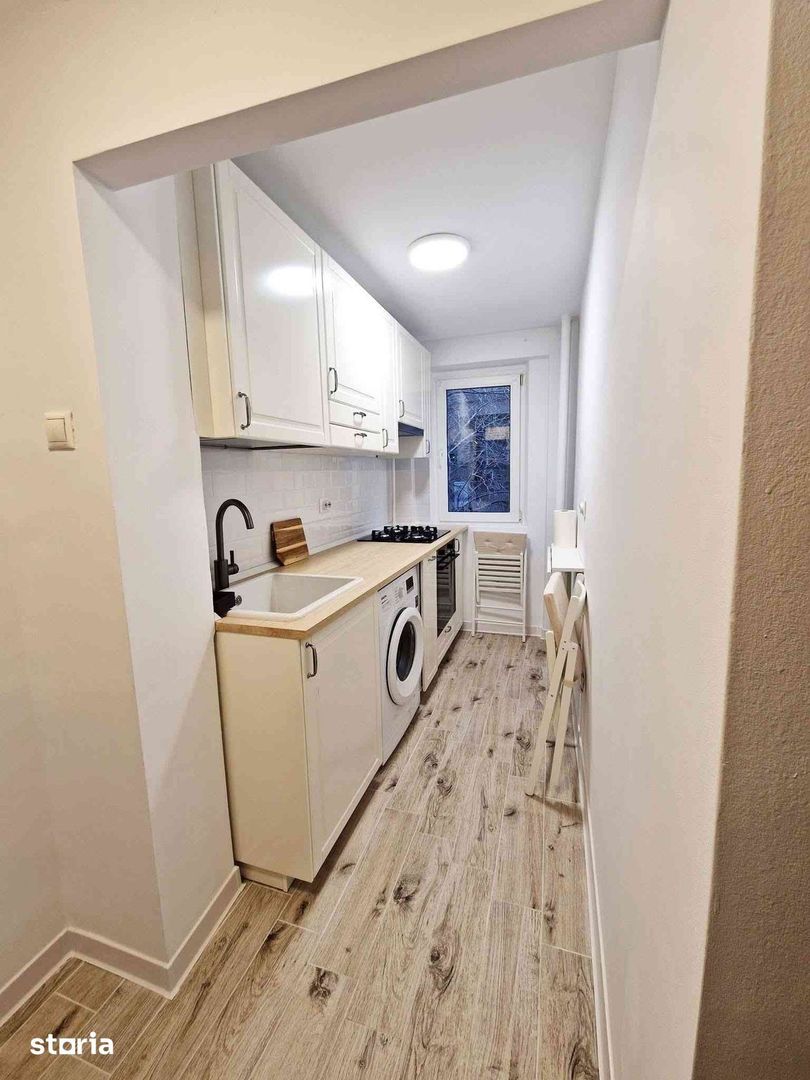
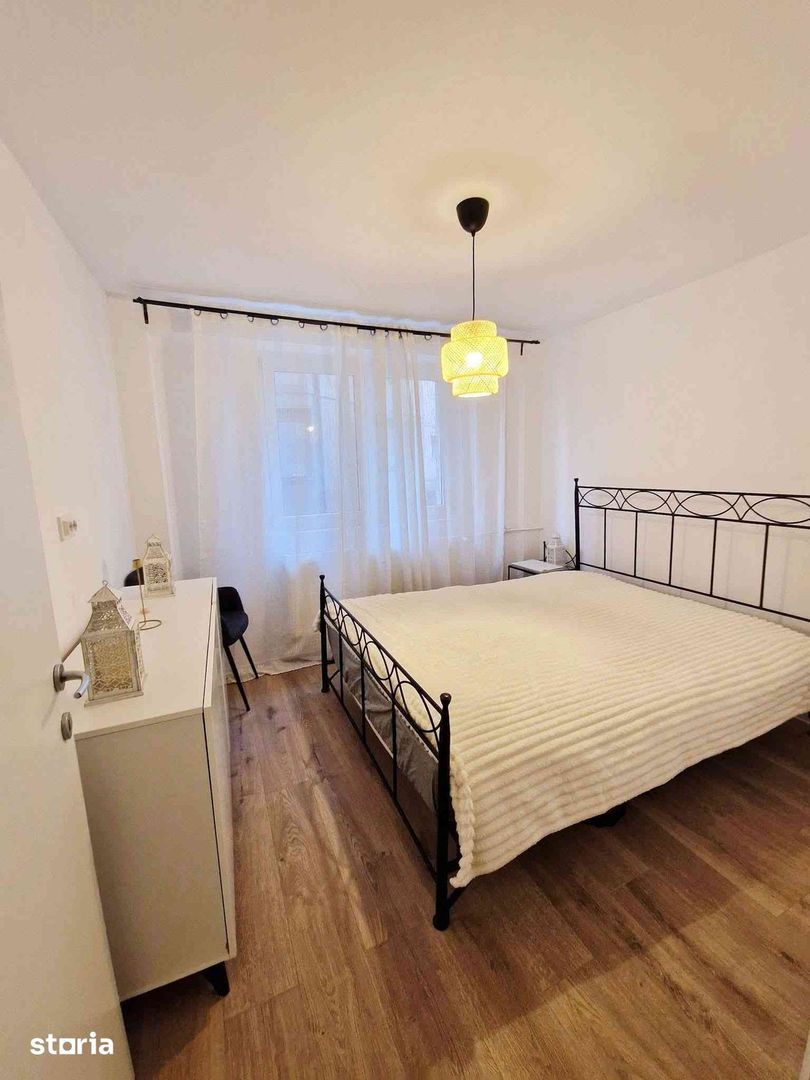
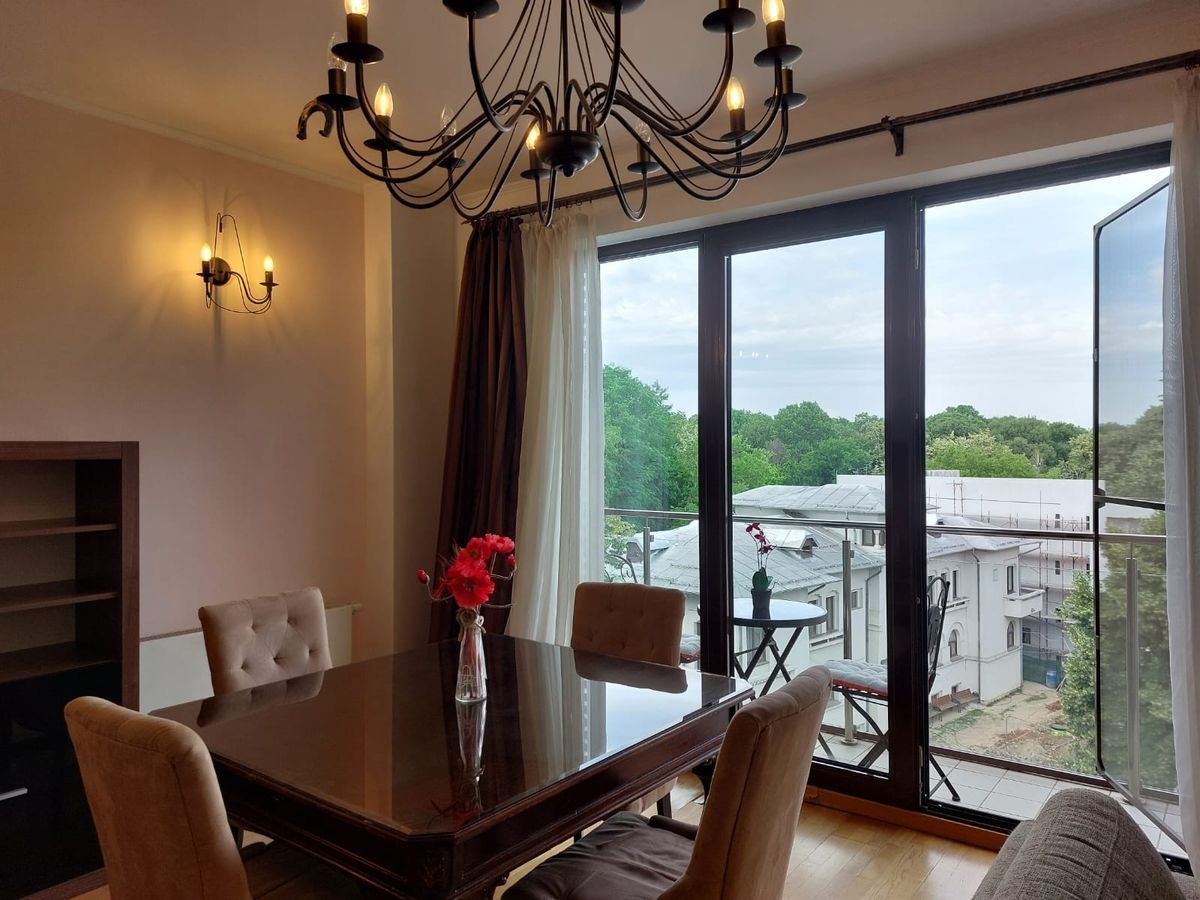
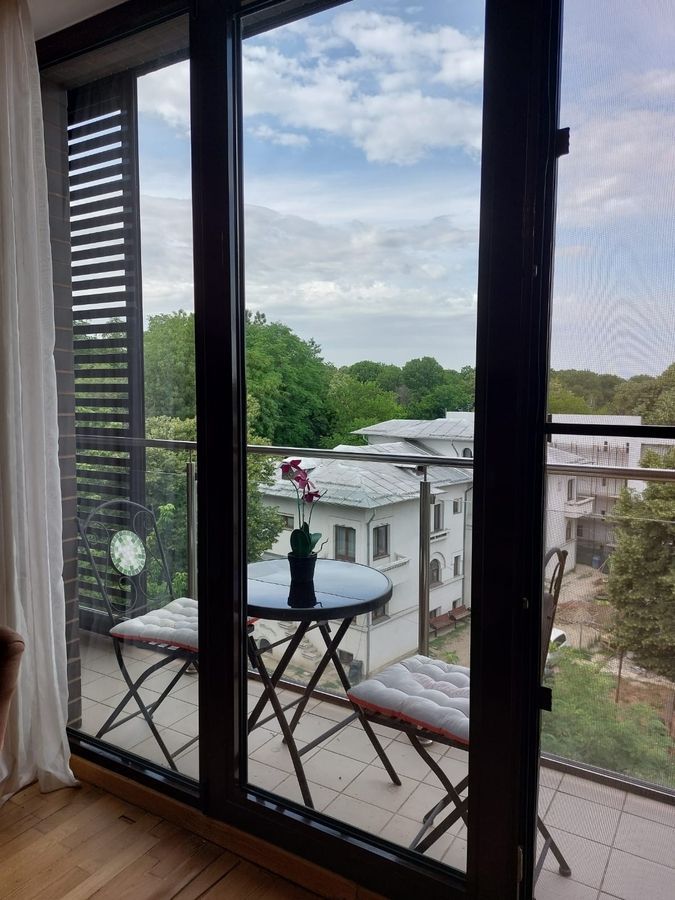
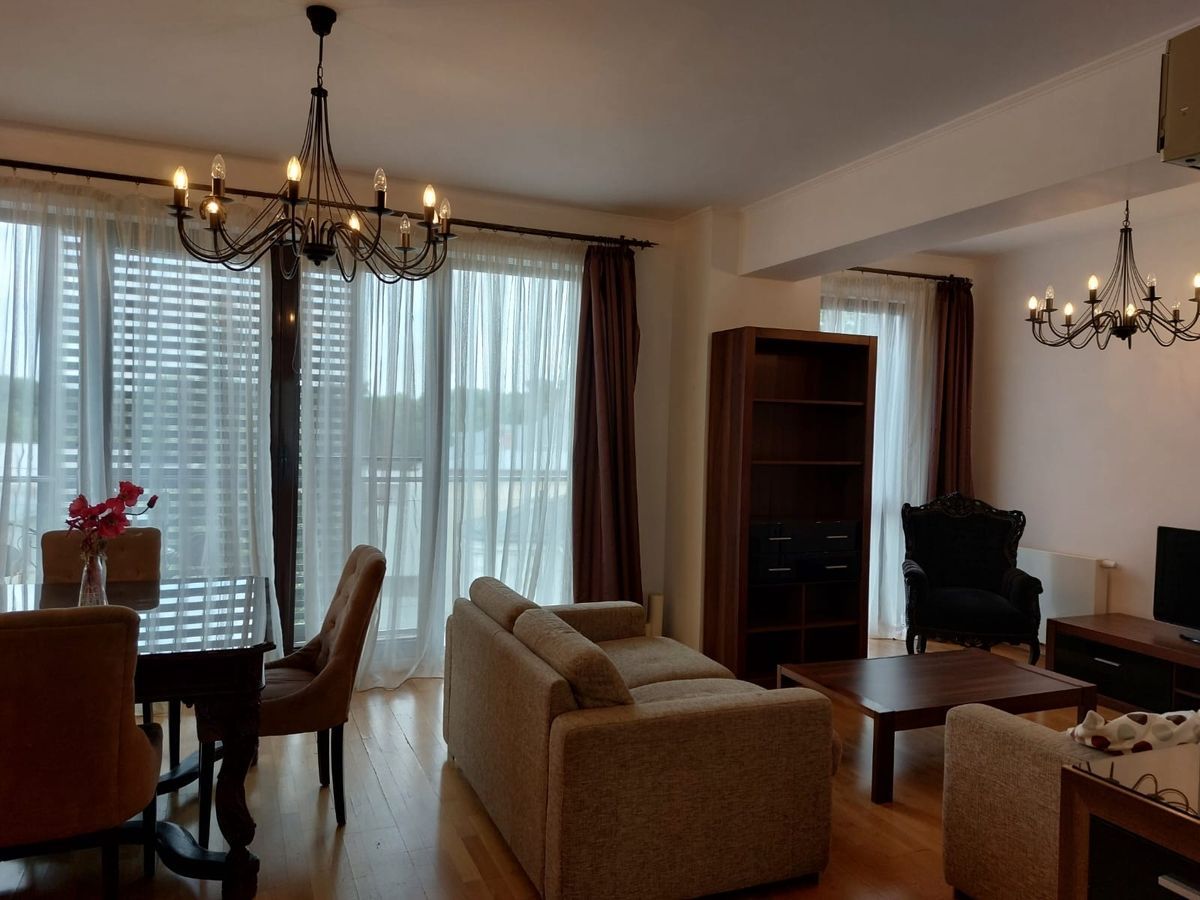
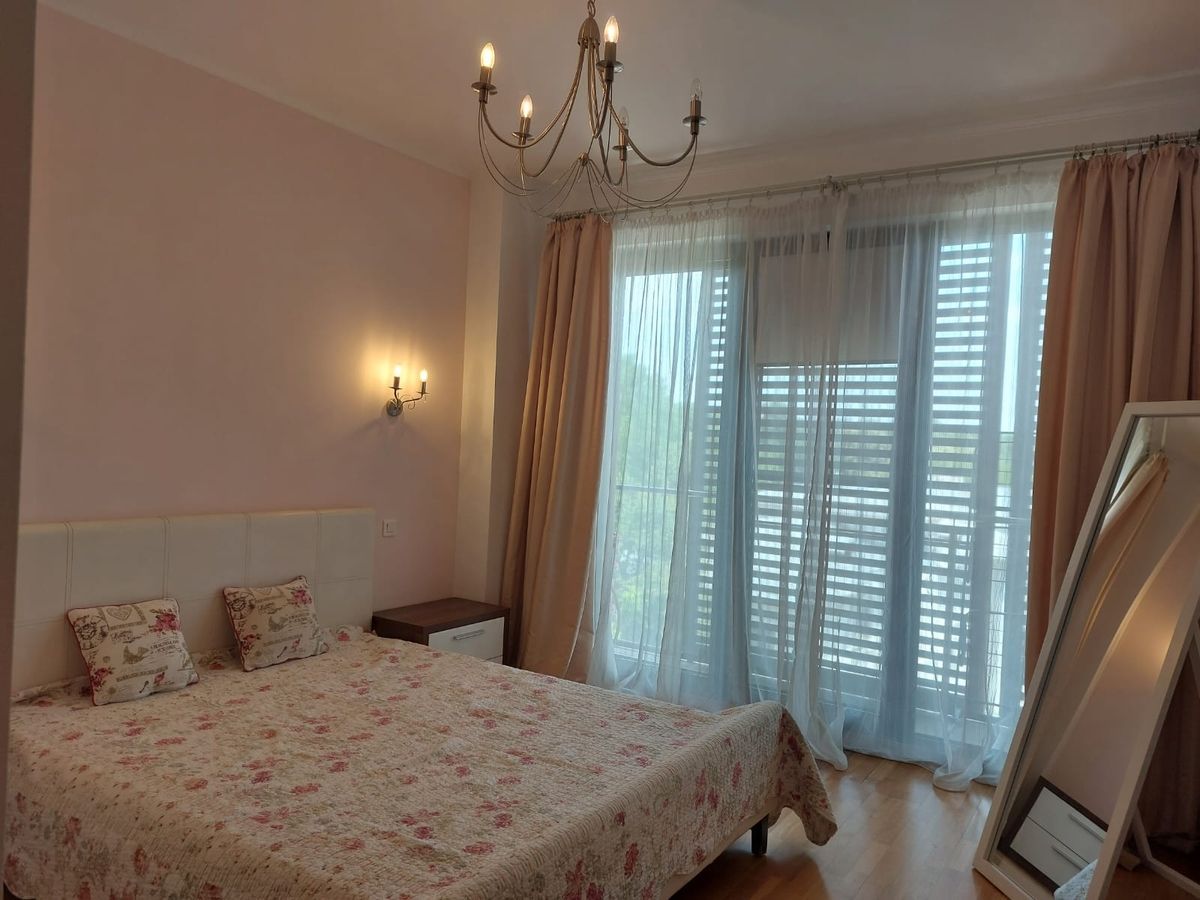
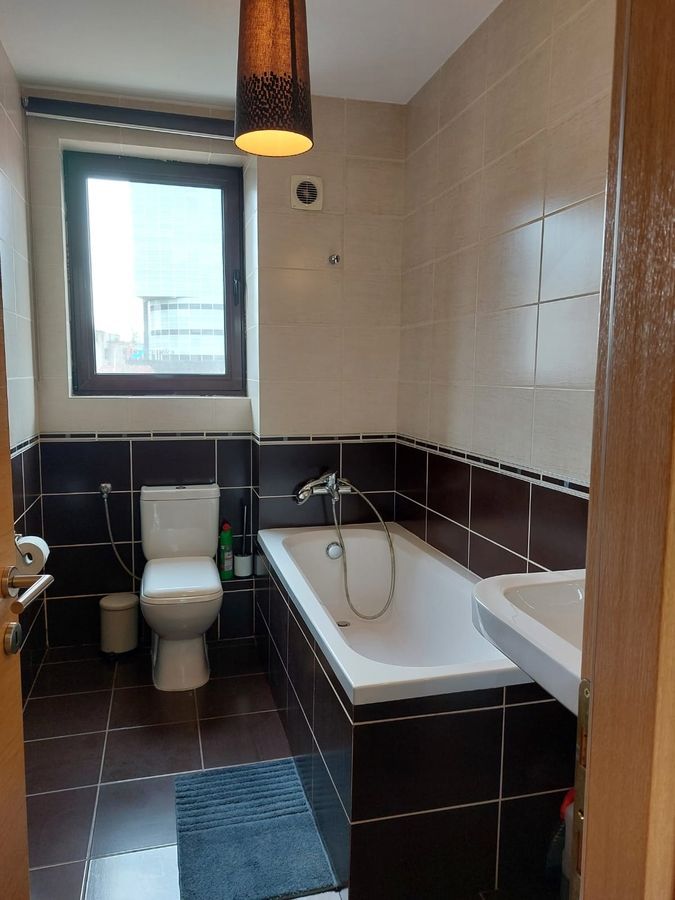
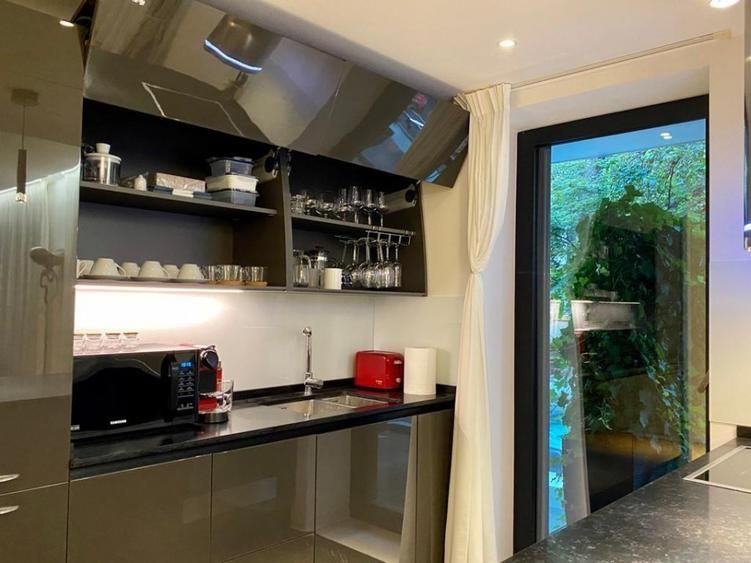
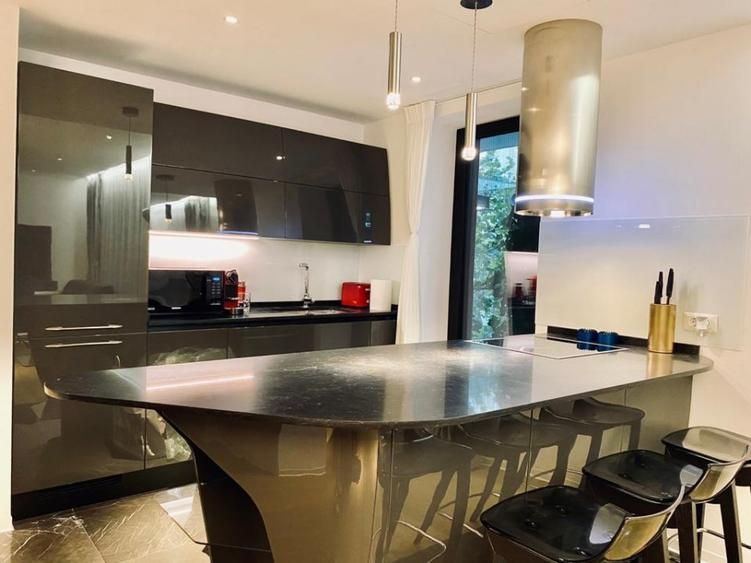
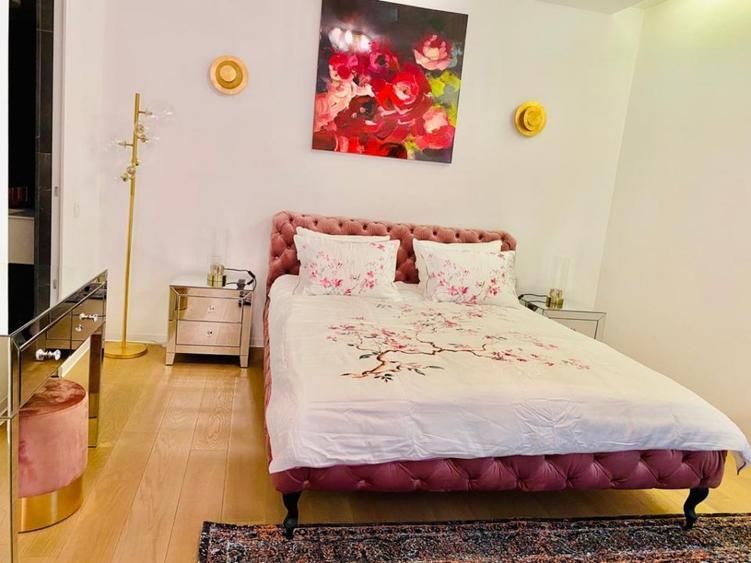
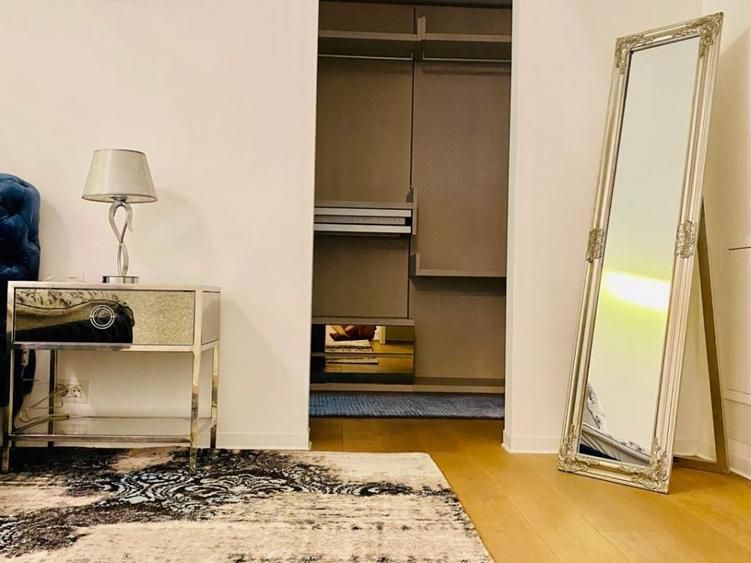
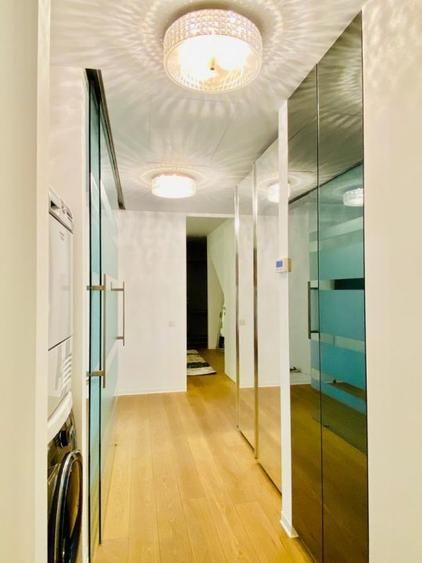
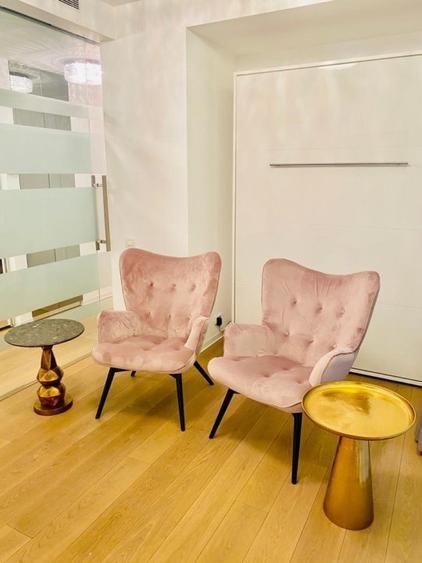
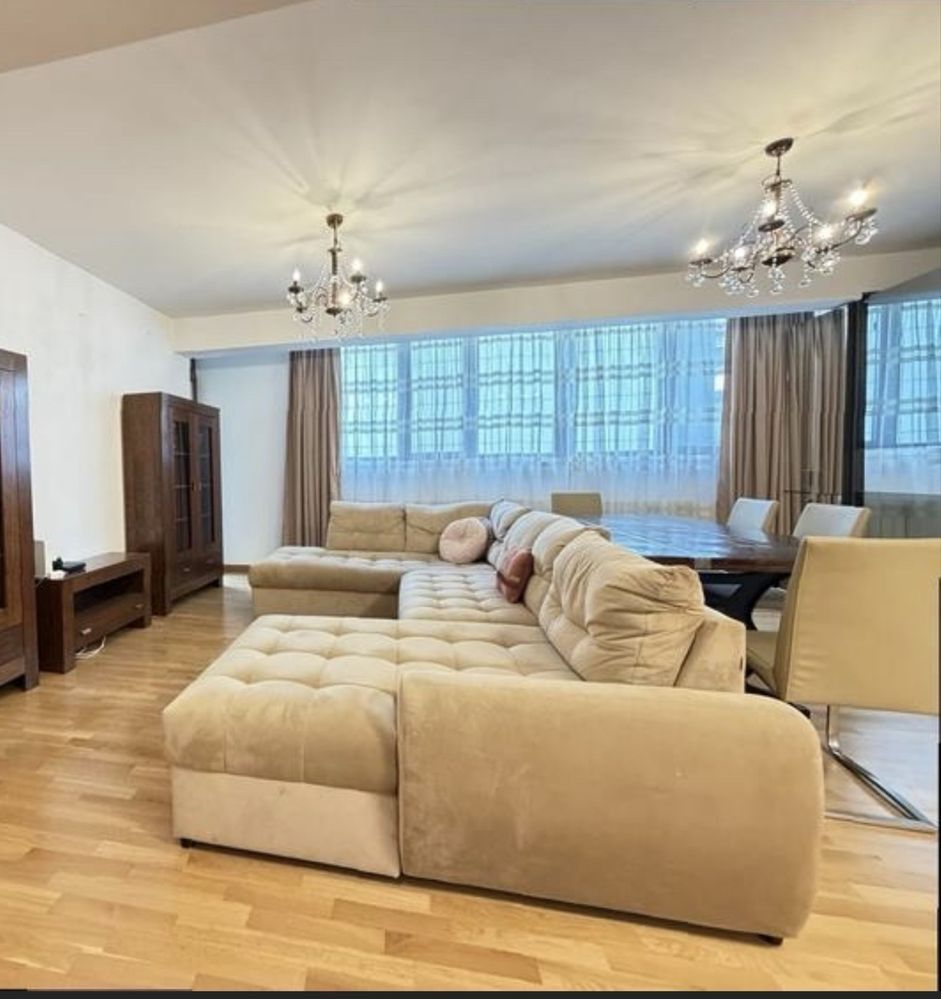
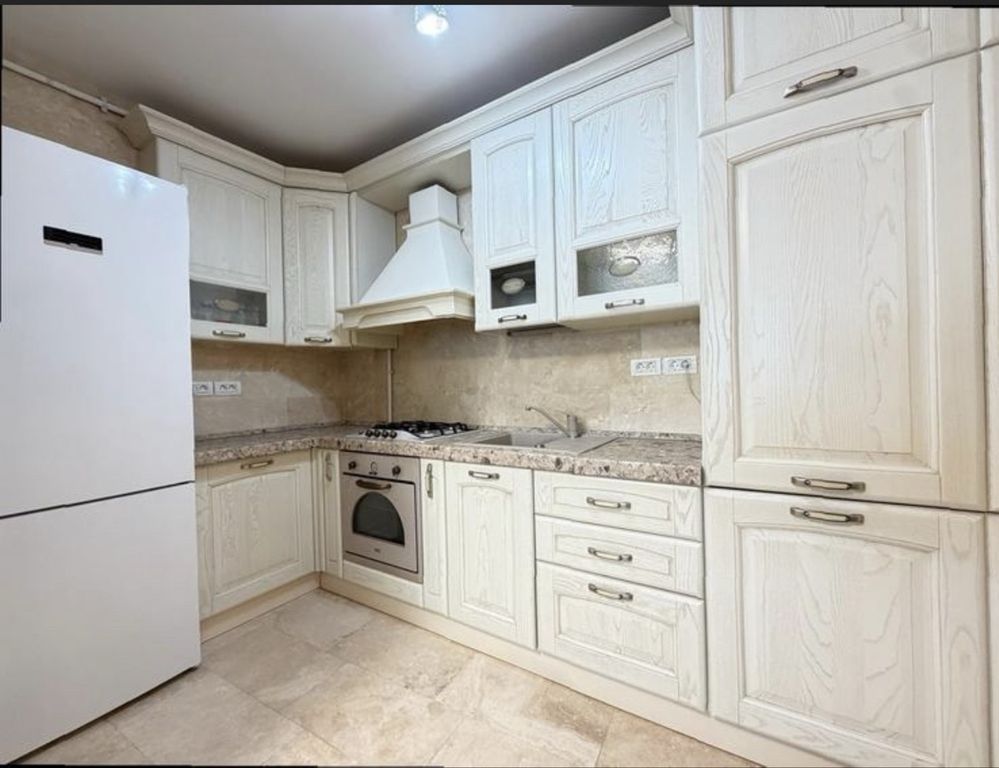
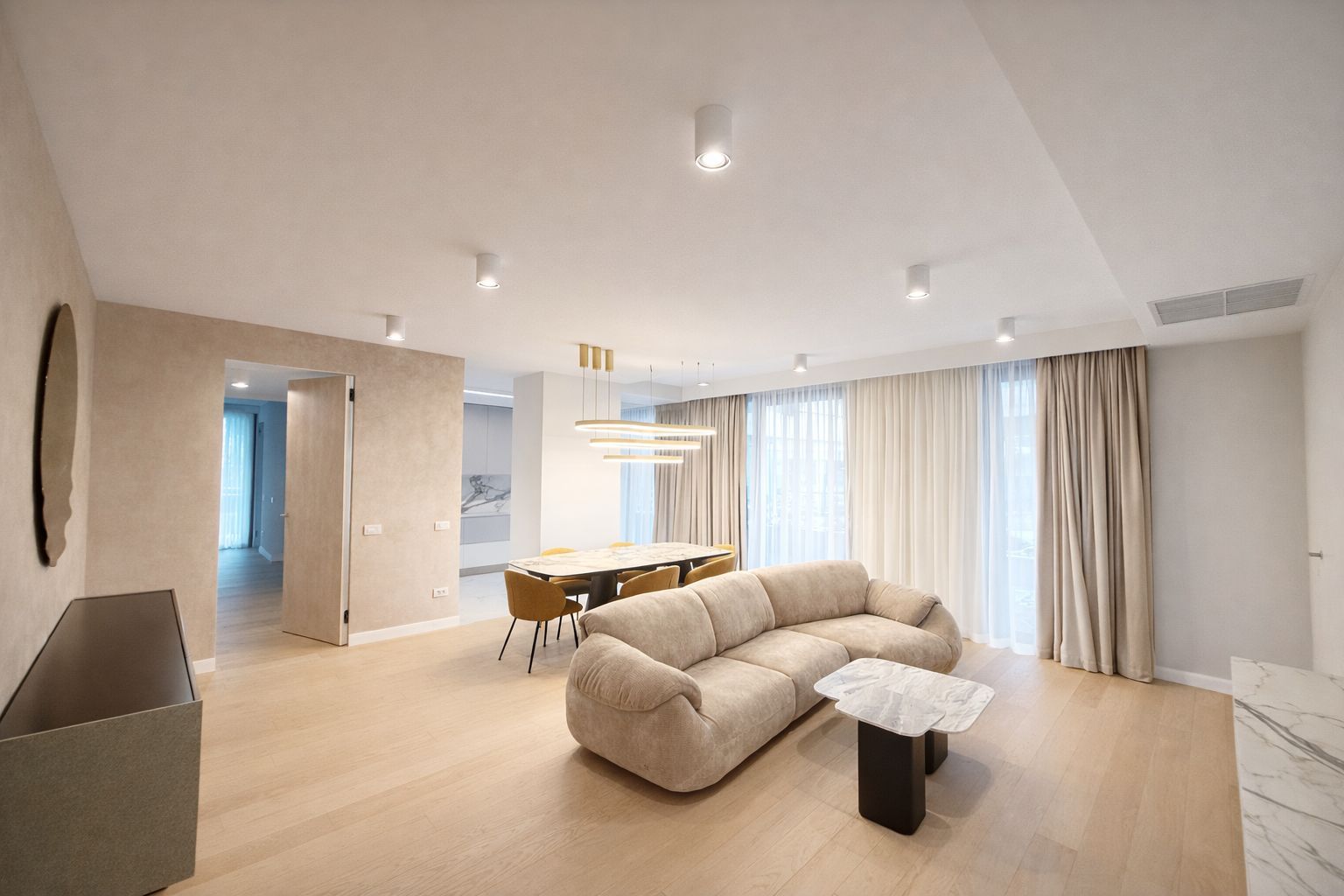
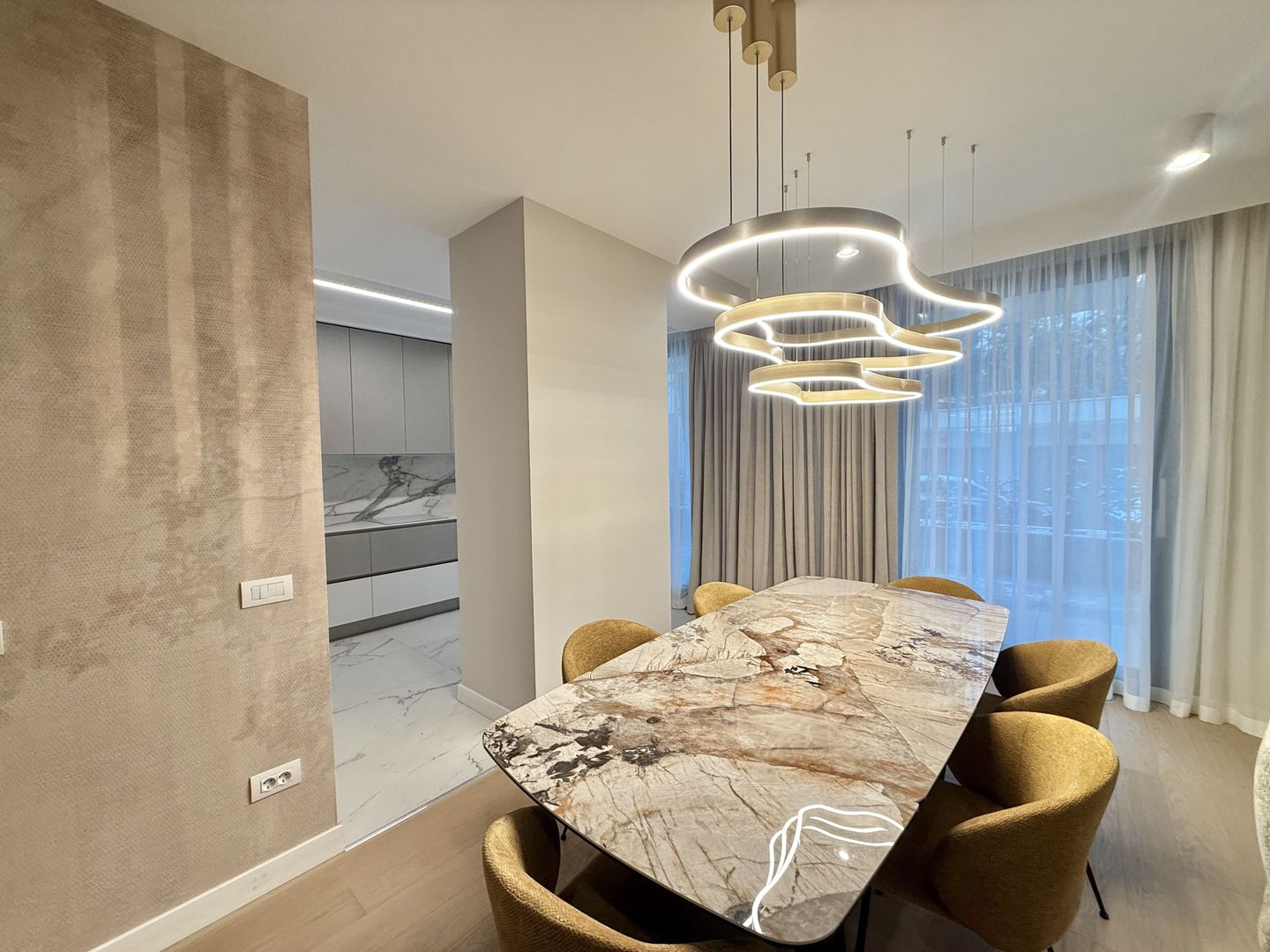
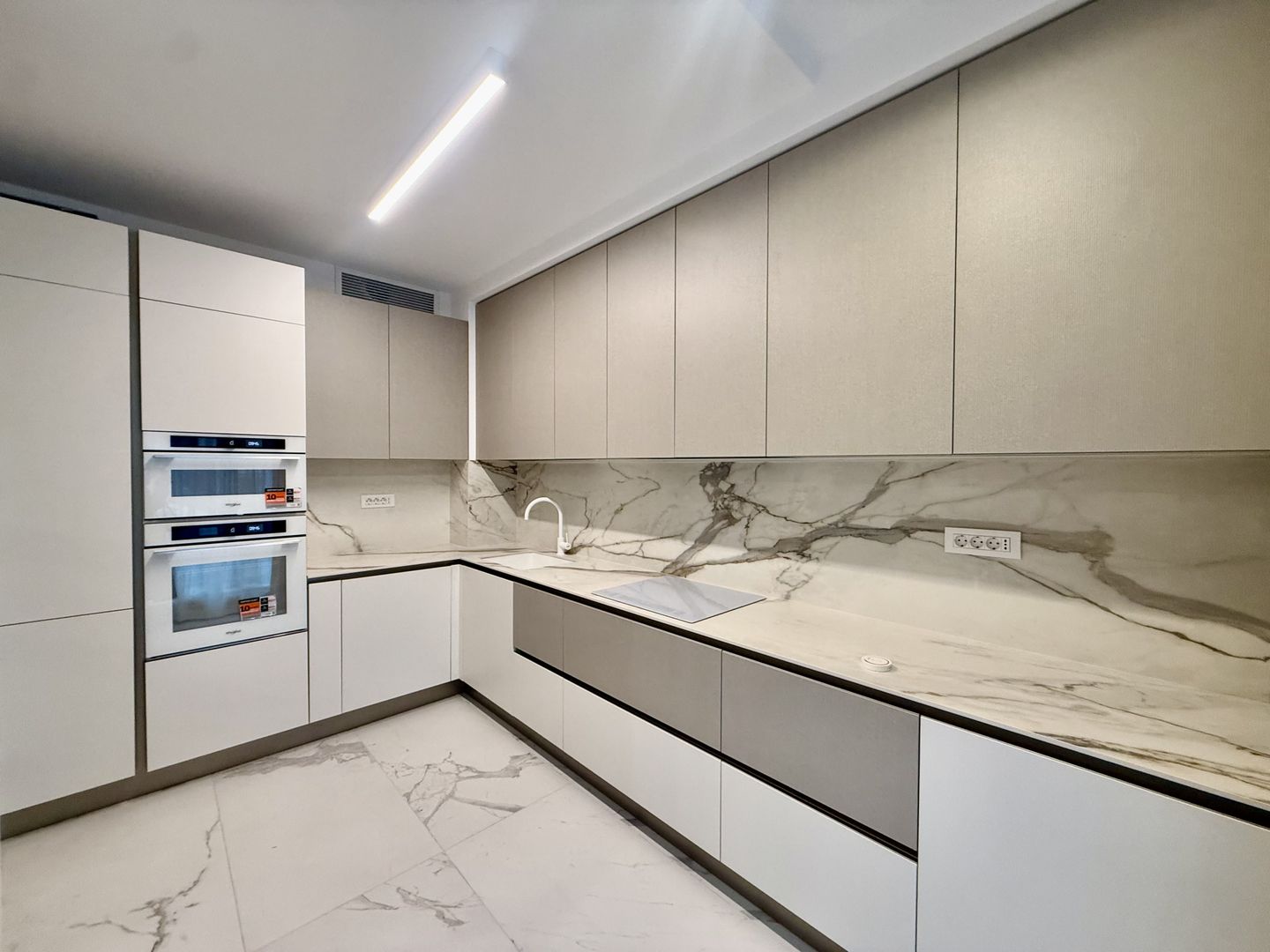
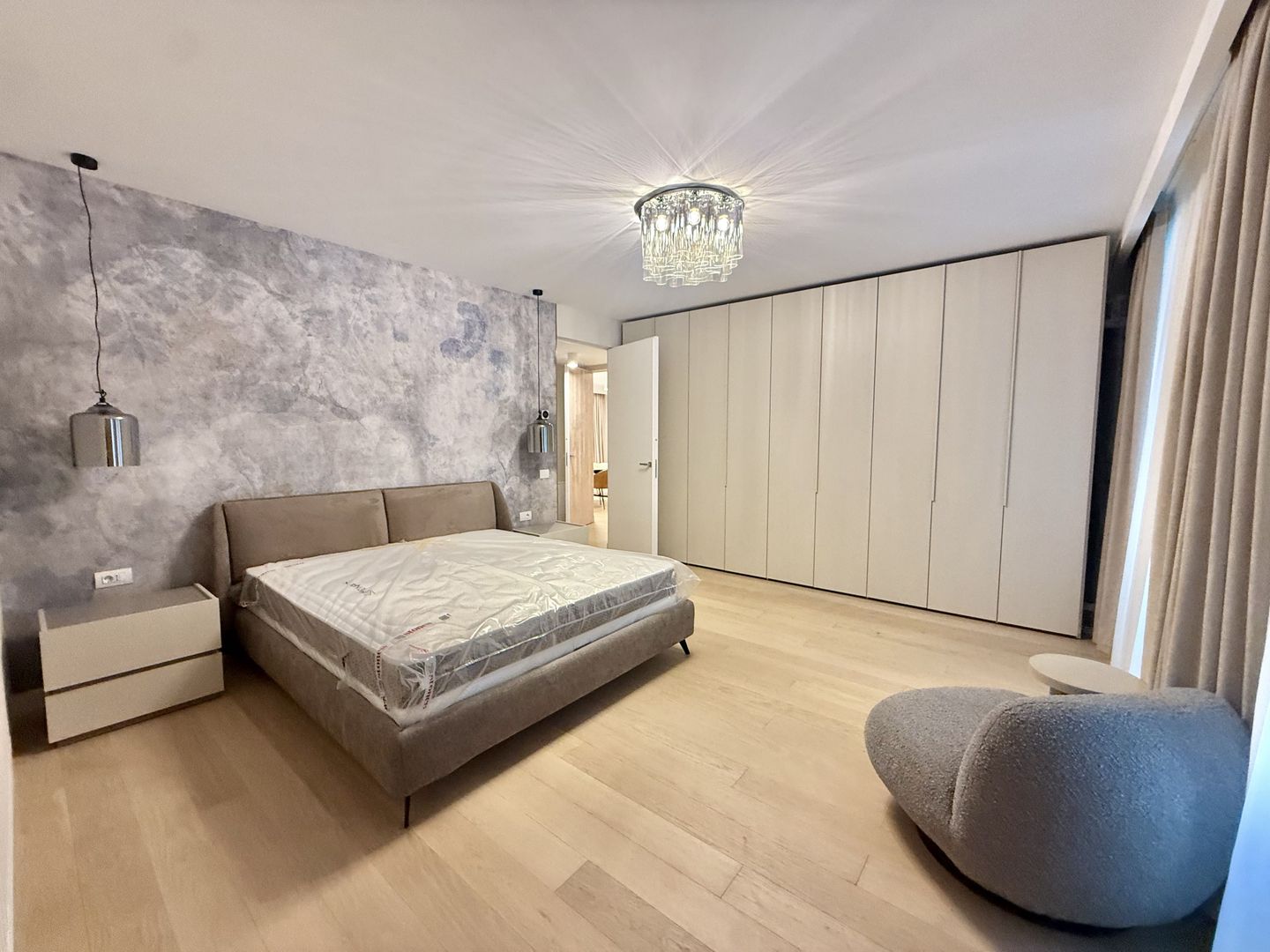
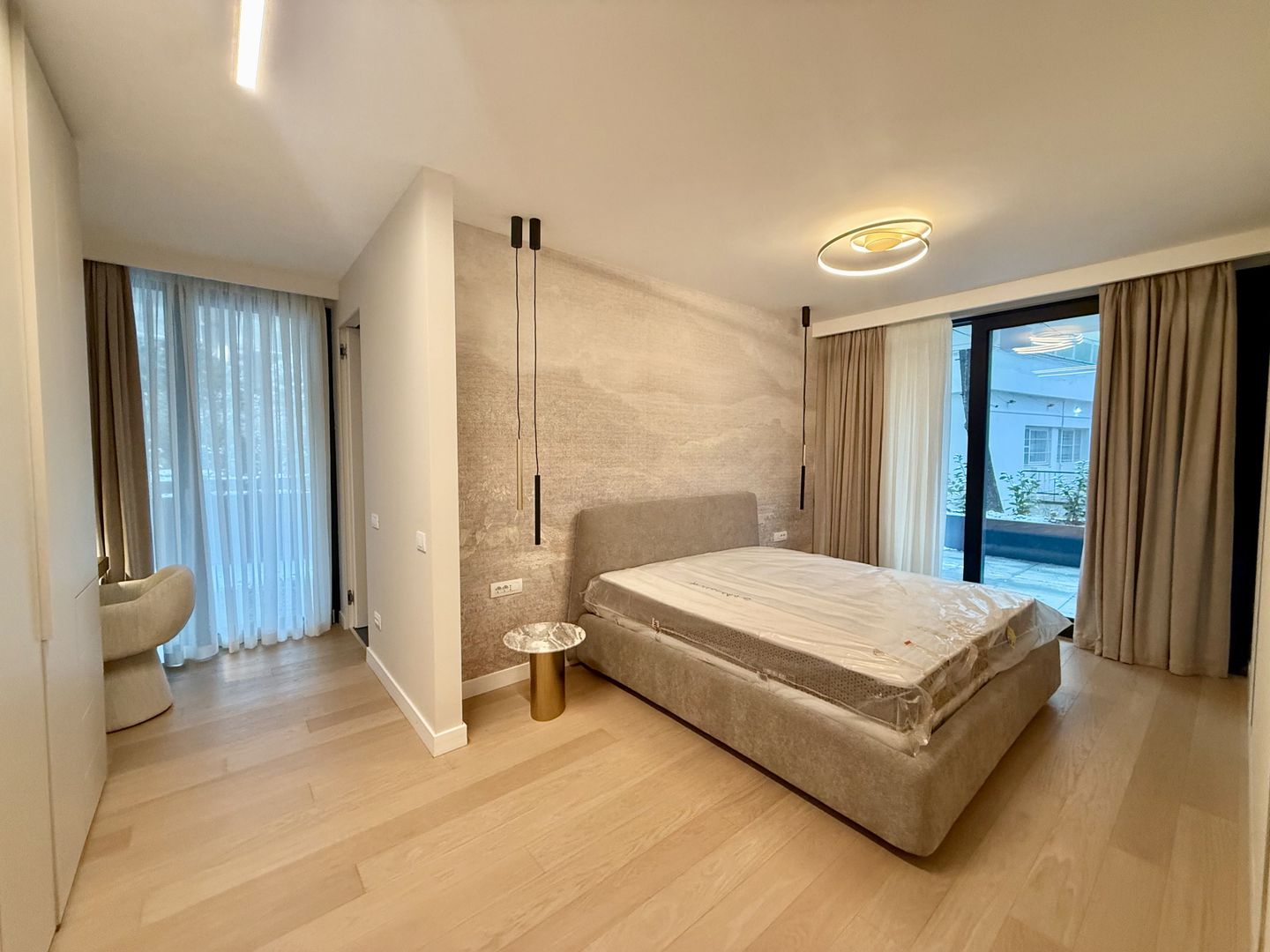
Detached apartment with 3 rooms, 100 sqm, for rent in Aviatorilor
1,599 € / month
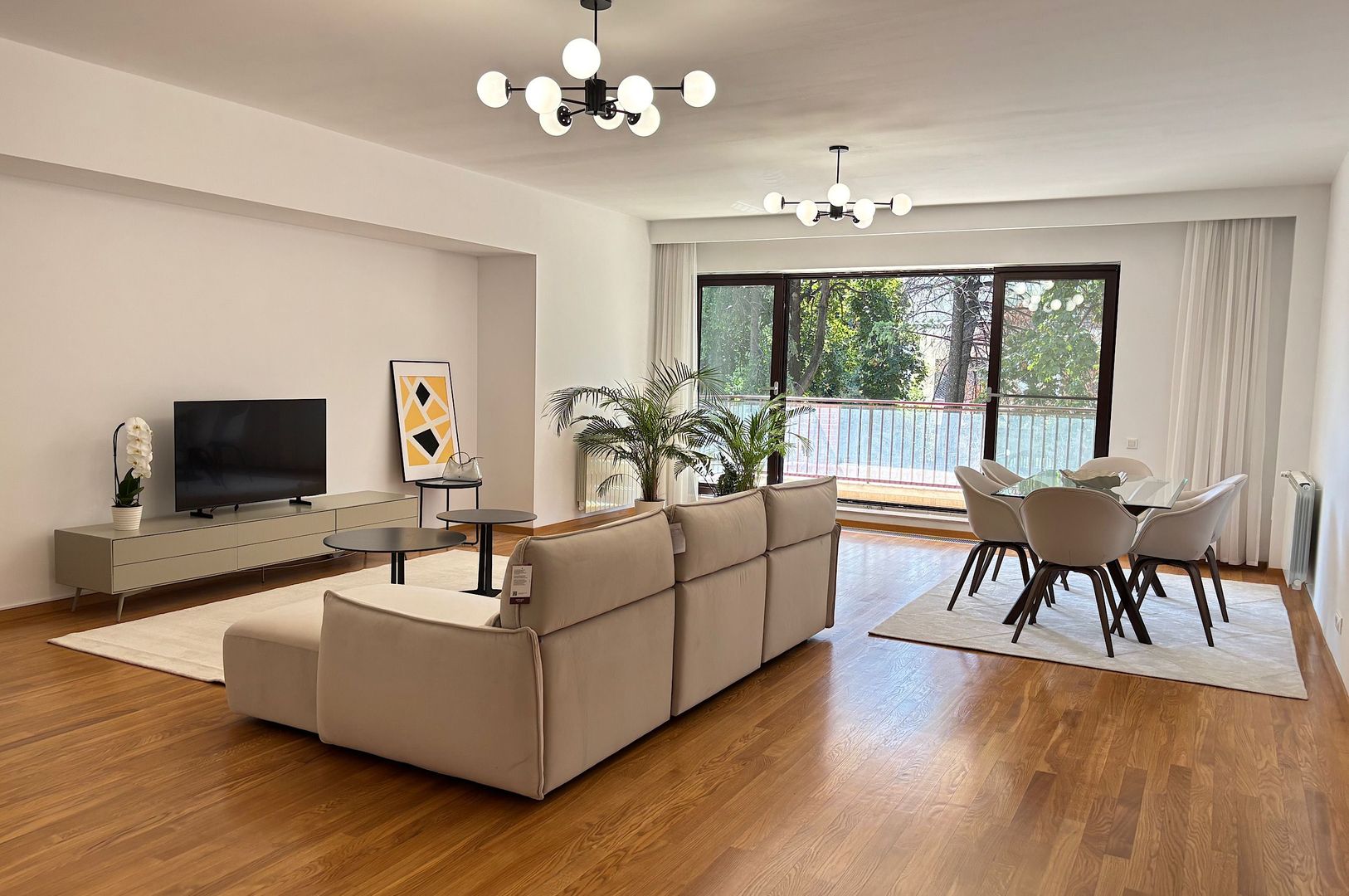
Aviatorilor, Bucuresti
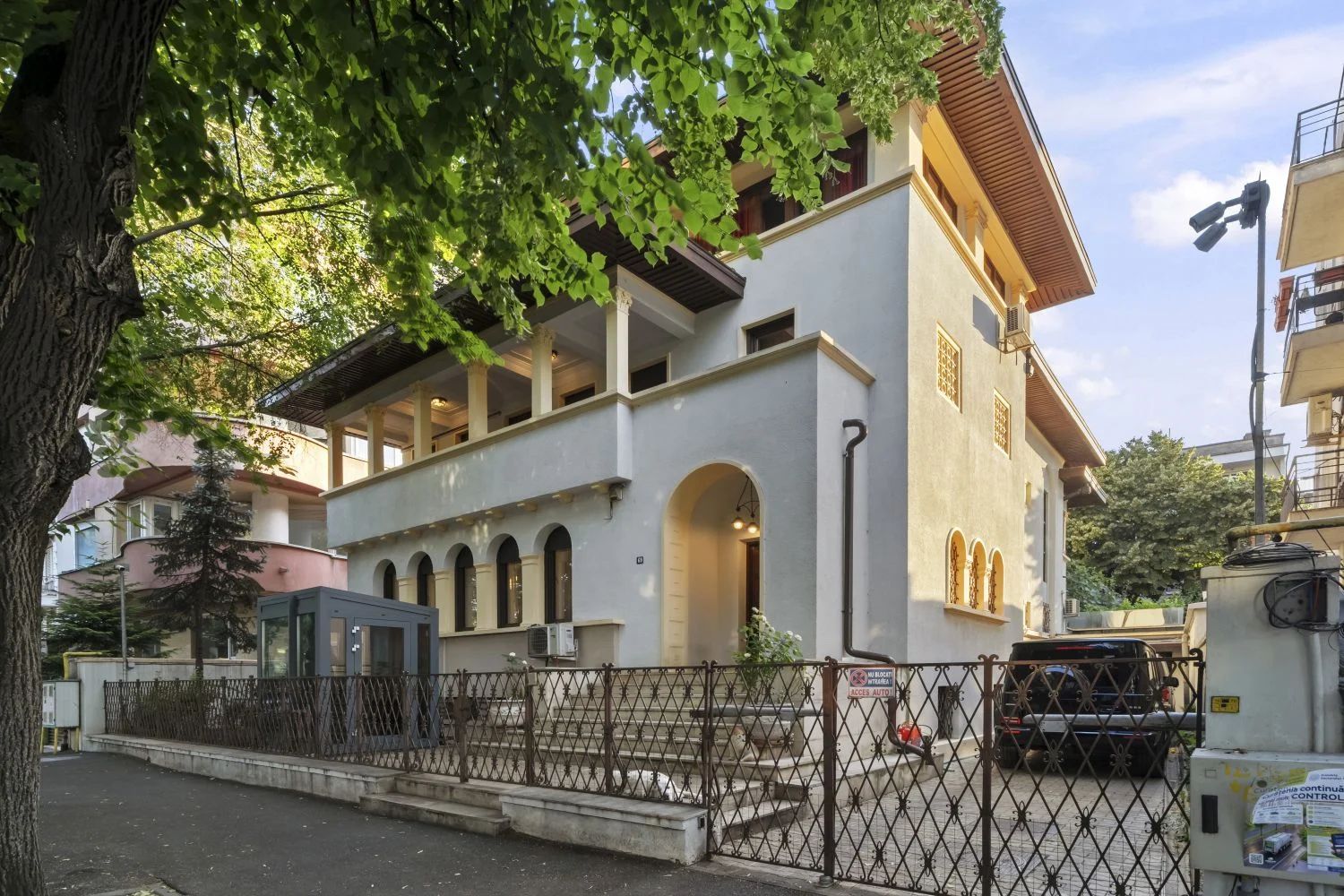
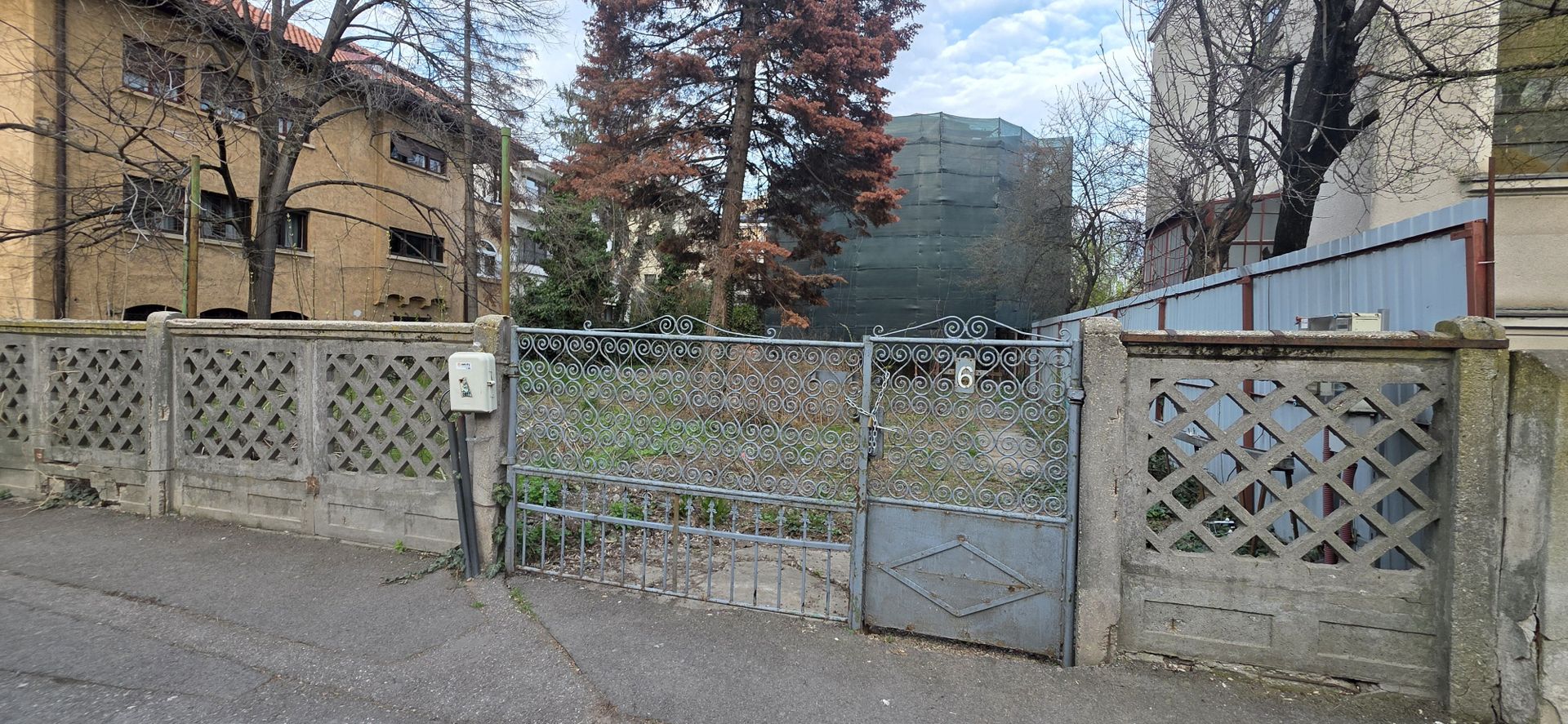
Rare property on Aviatorilor Boulevard. Premium villa, impressive courtyard
4,150,000 €
Aviatorilor, Bucuresti
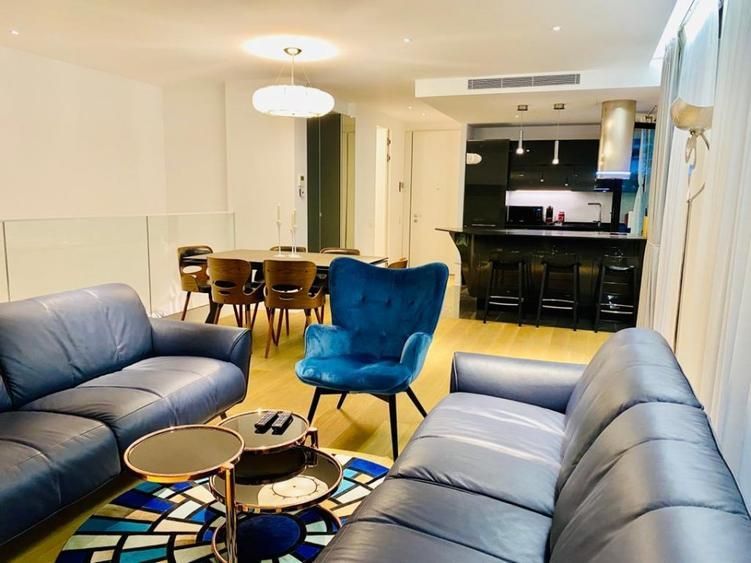
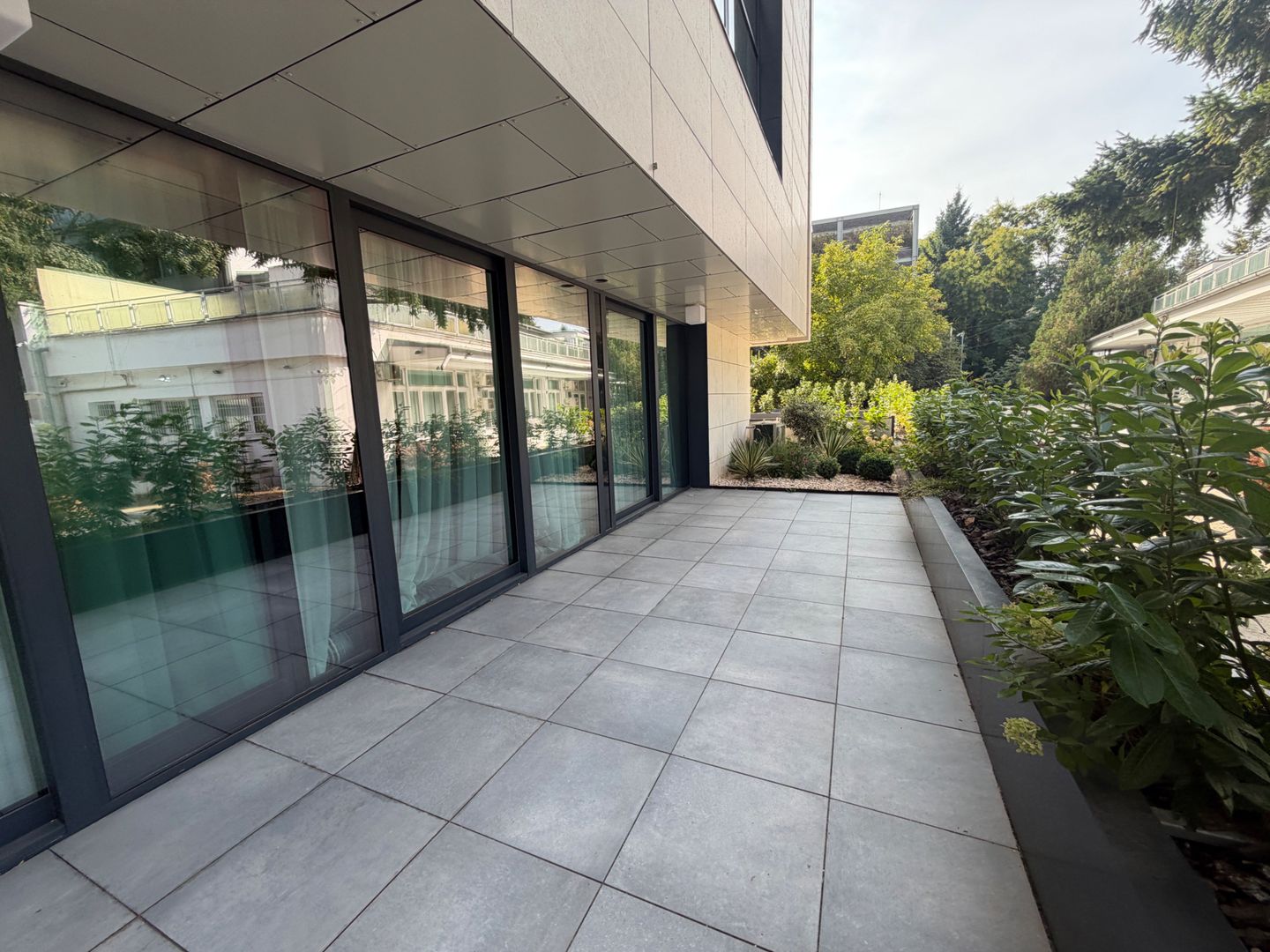
Locație top! Bloc boutique cu un nivel ridicat de intimitate și exclusivitate
5,000 € / month+ VAT
Kiseleff, Bucuresti
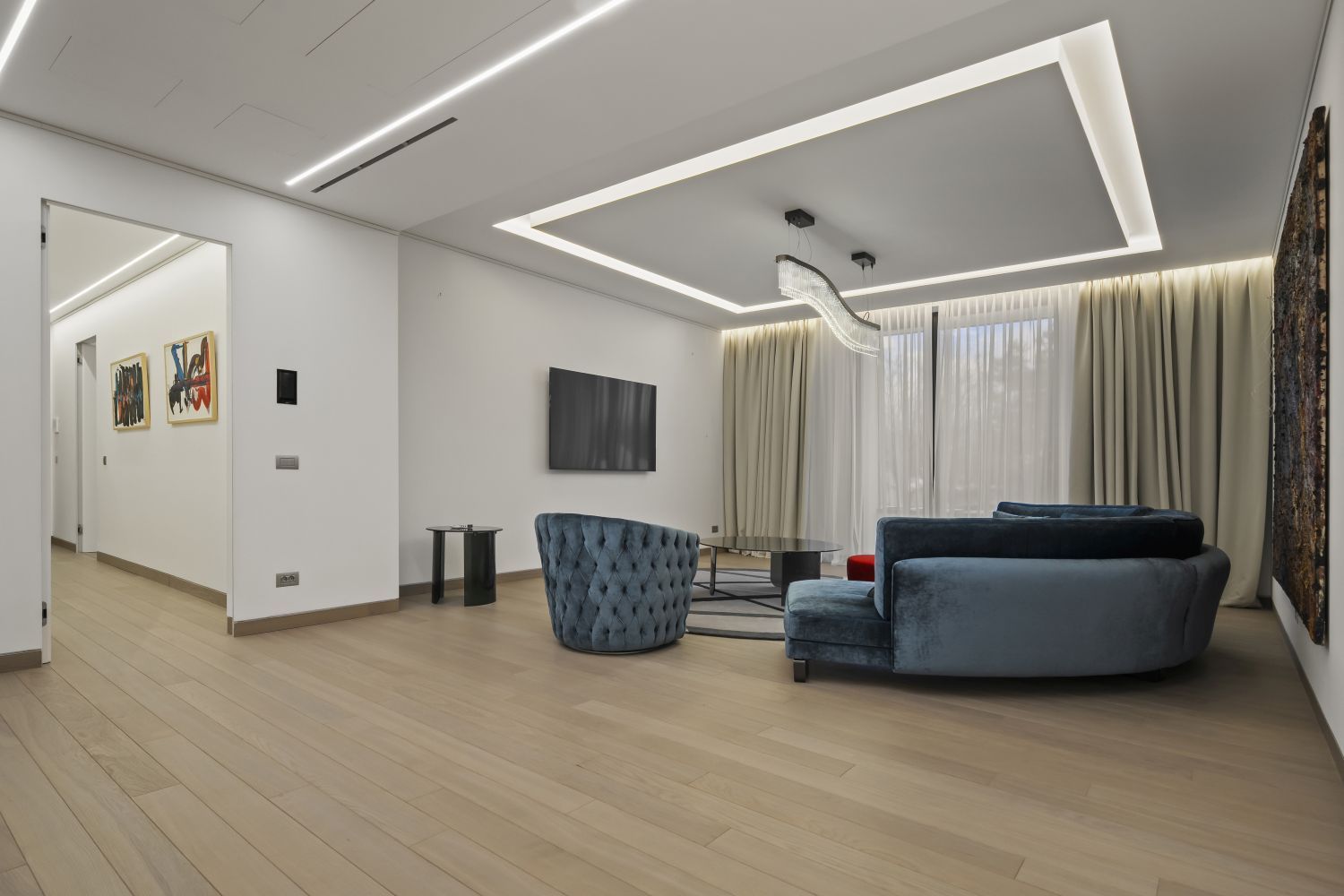
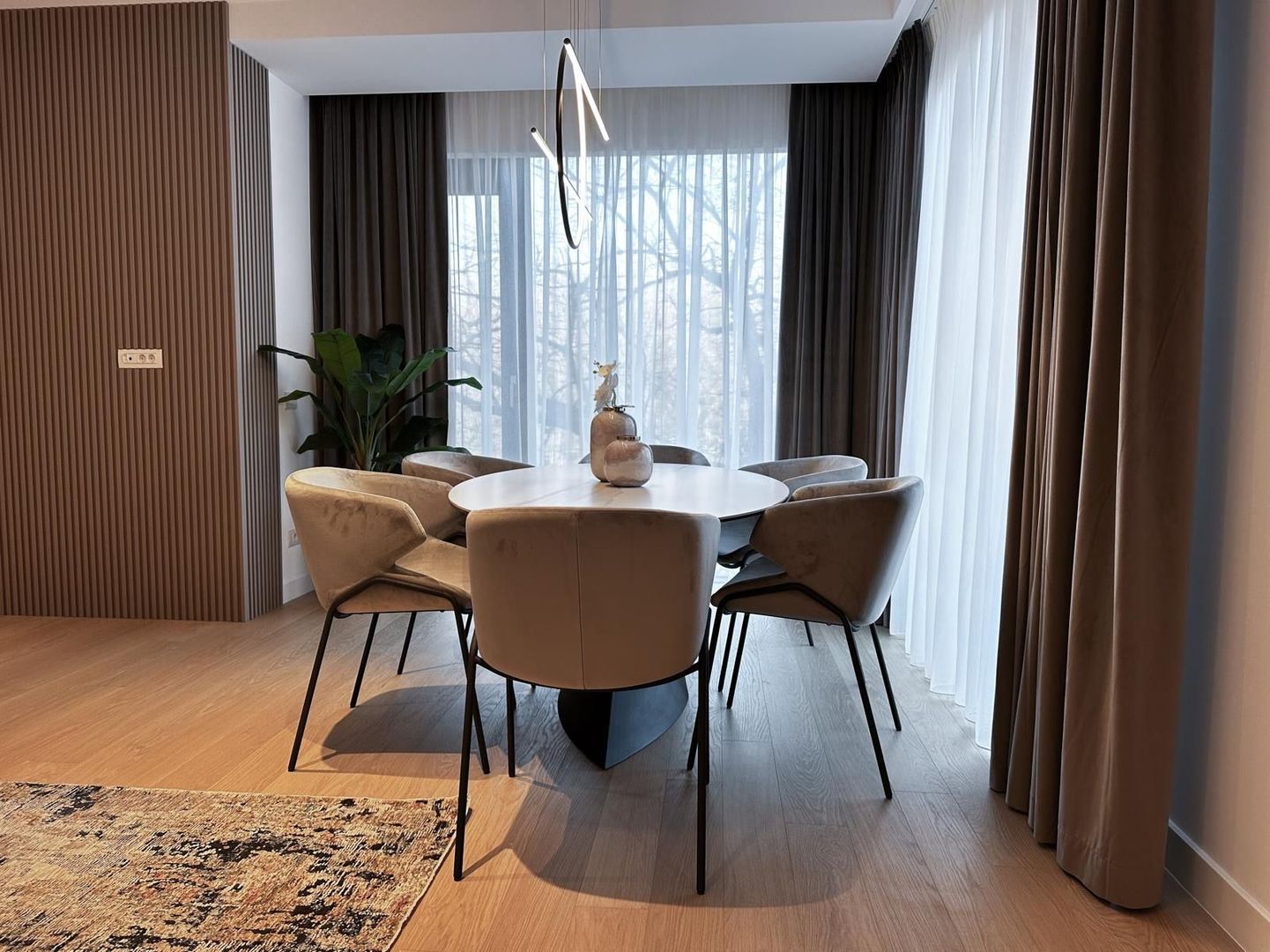
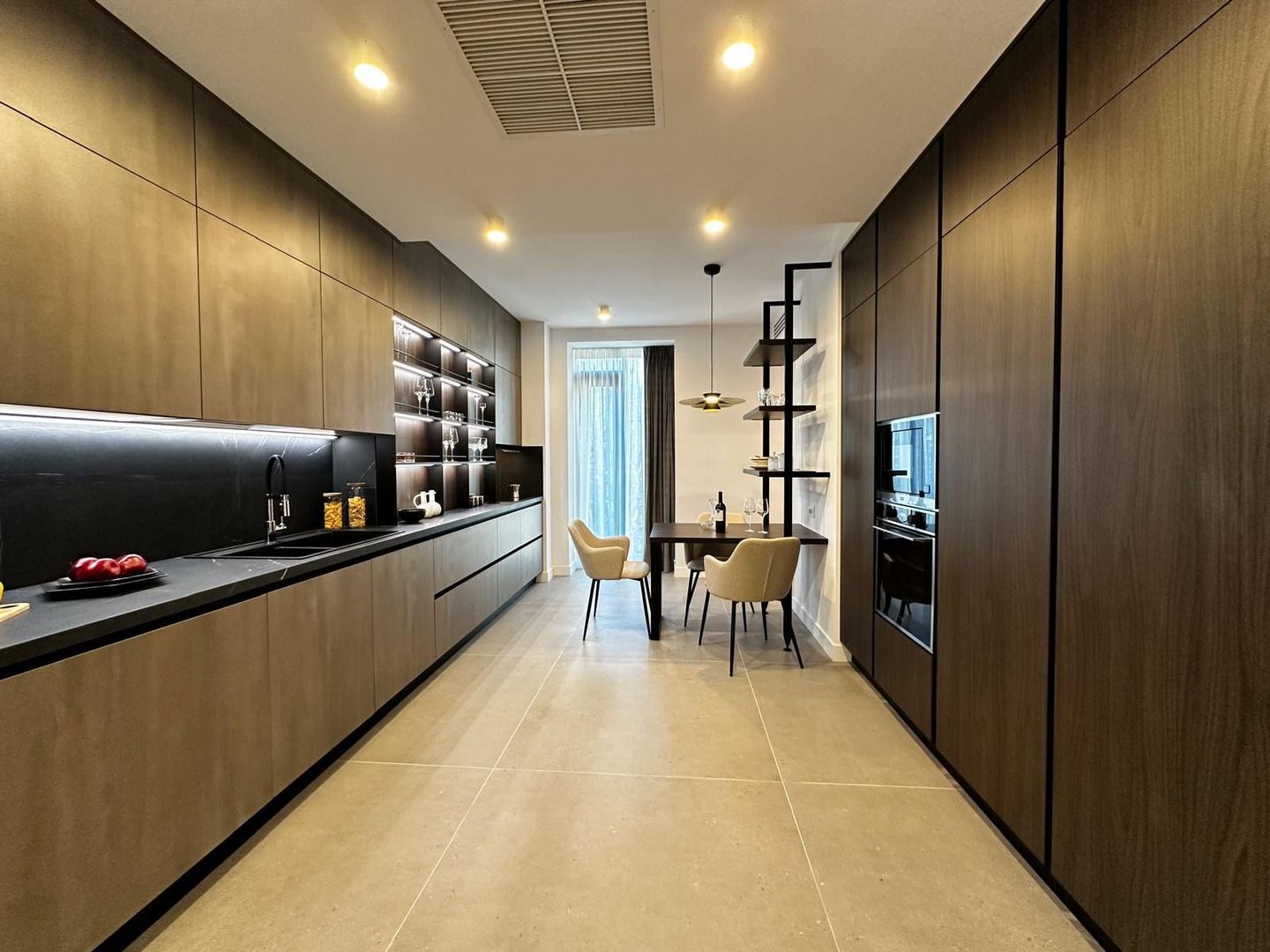
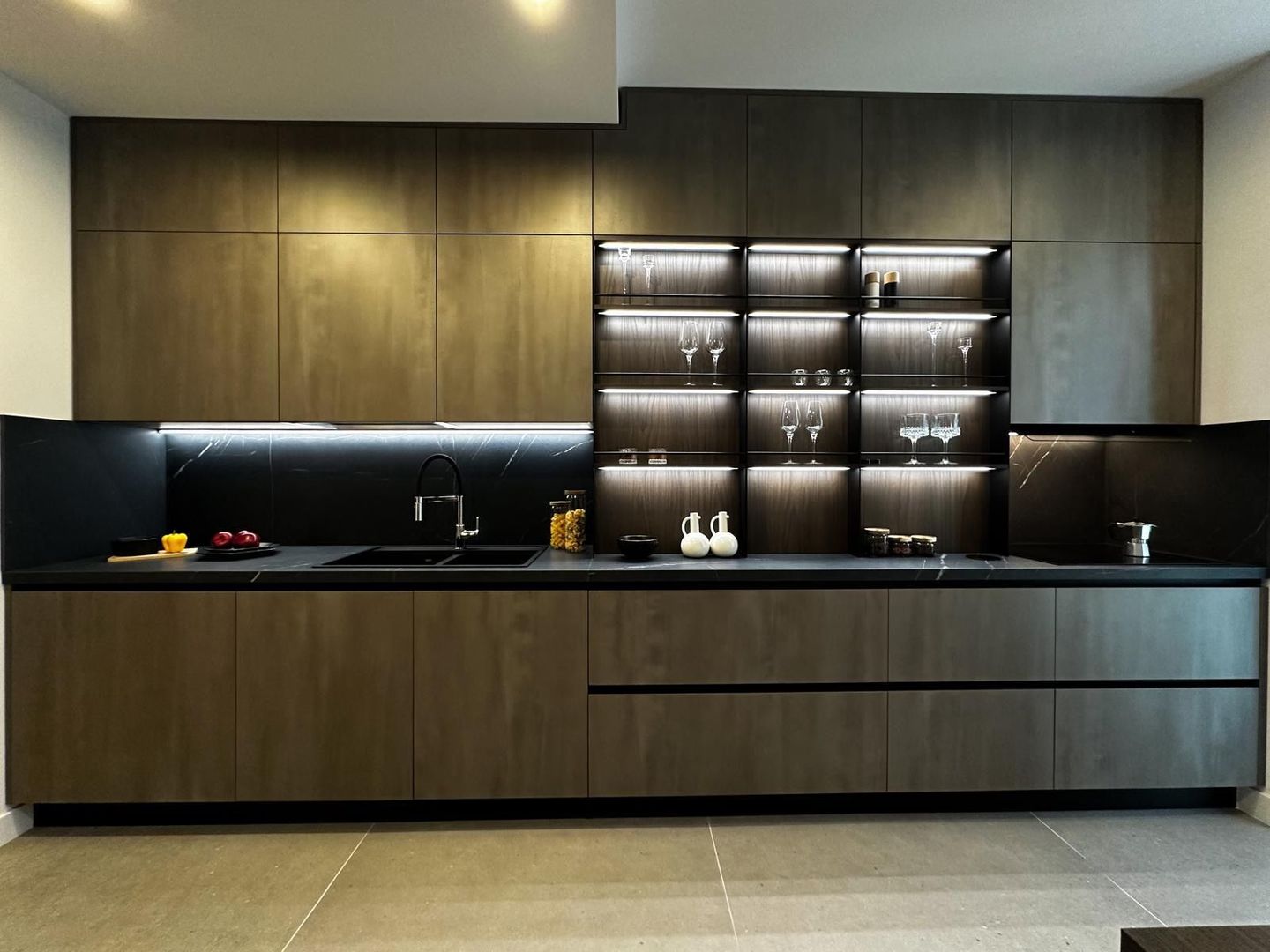
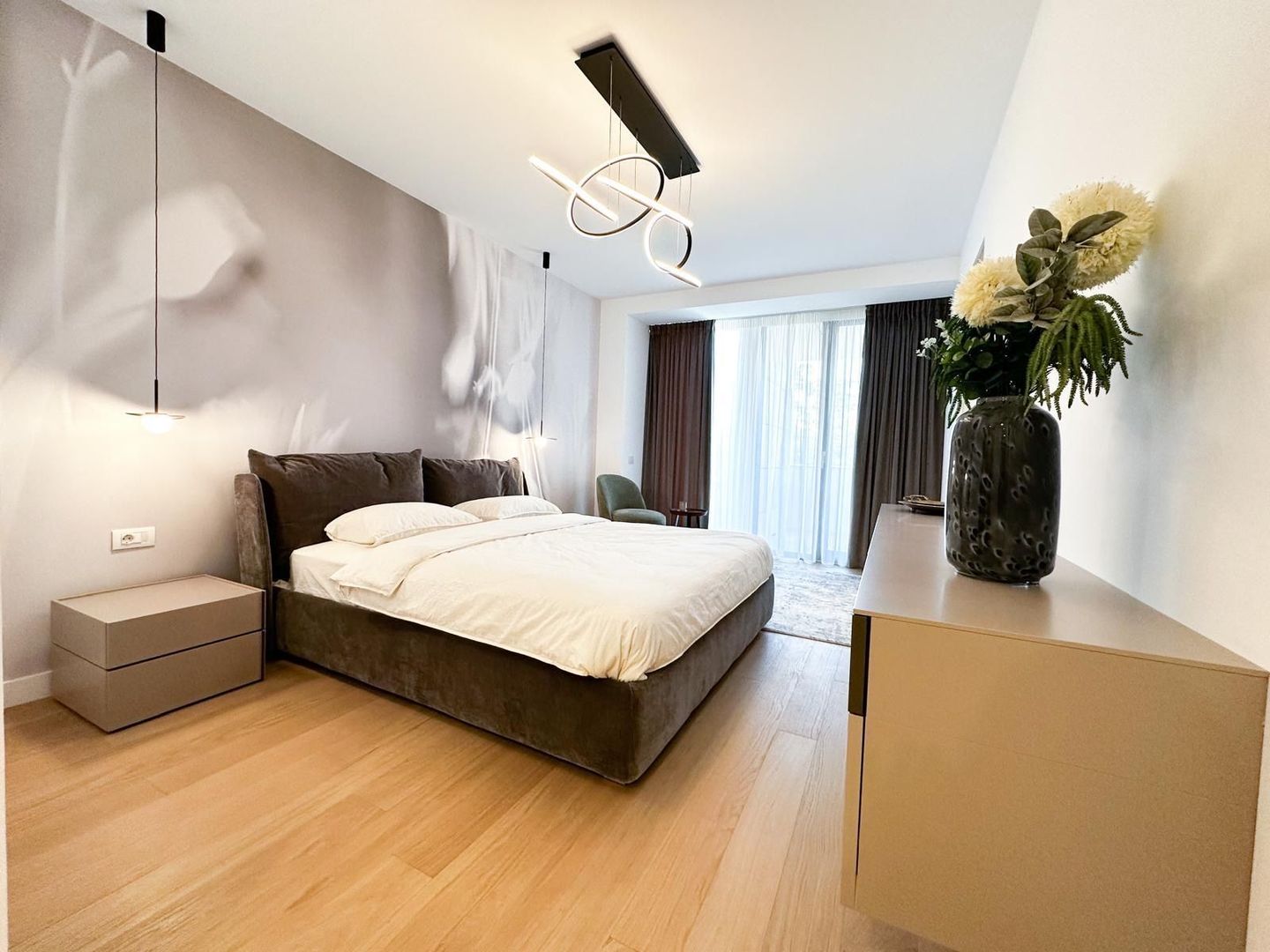
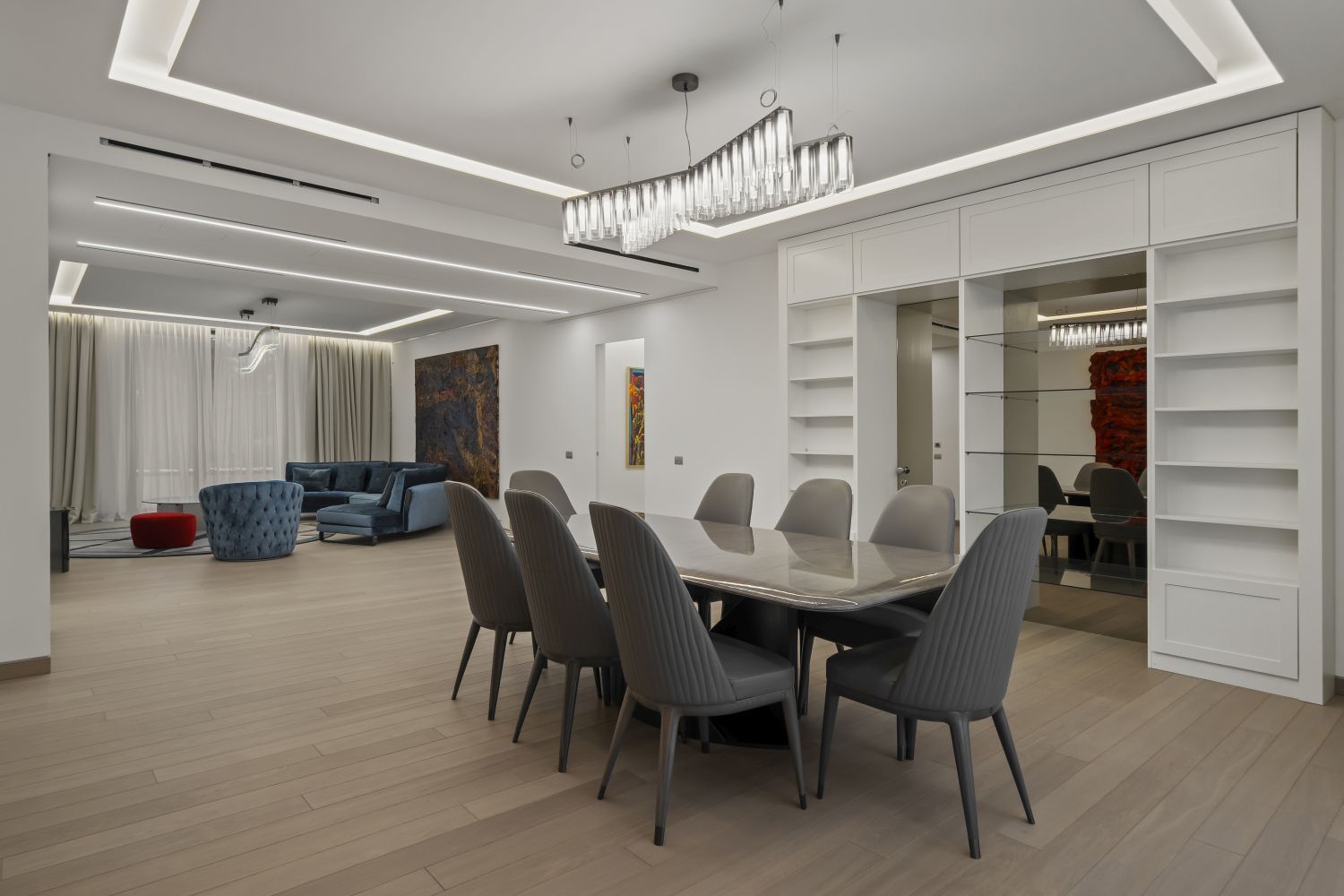
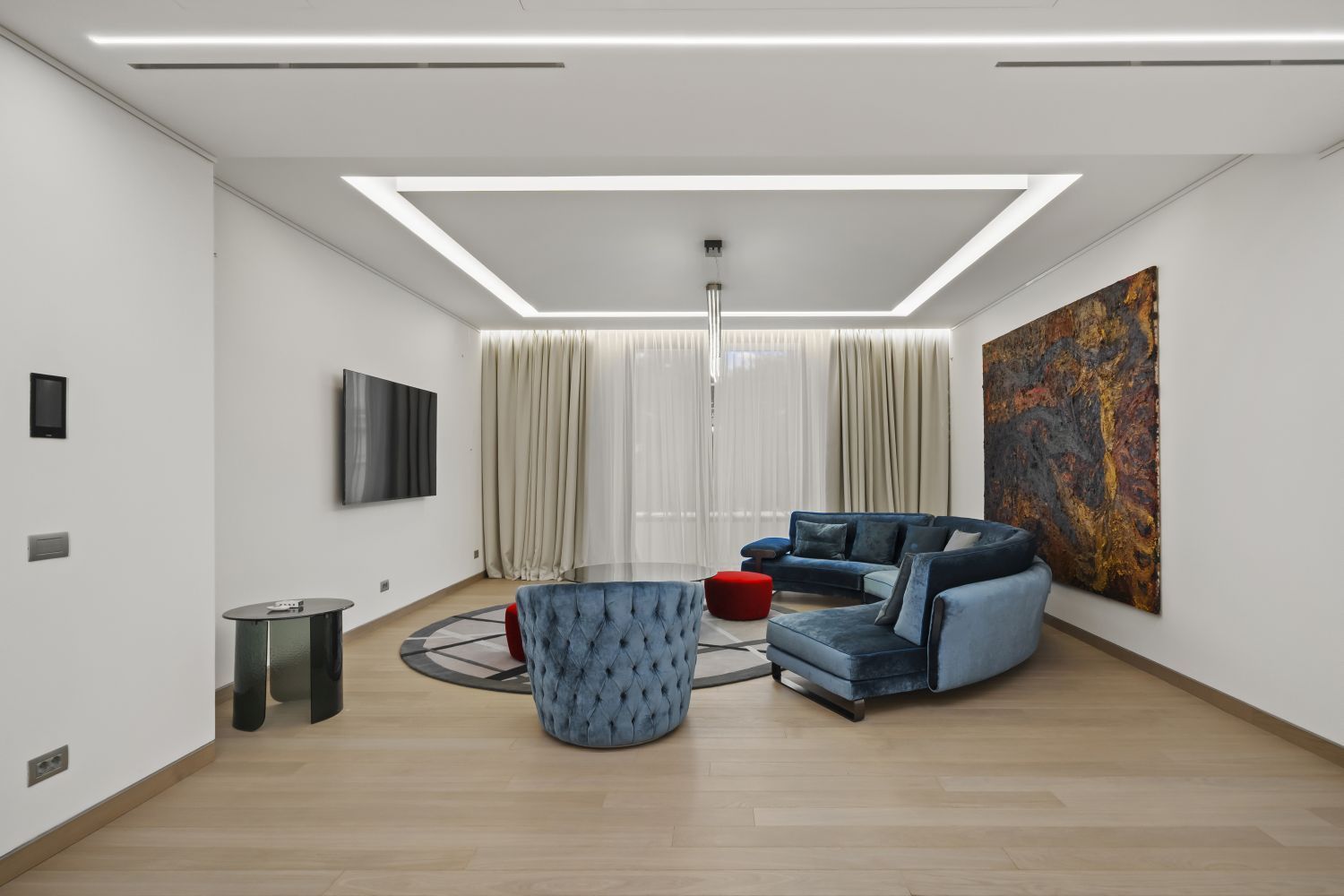
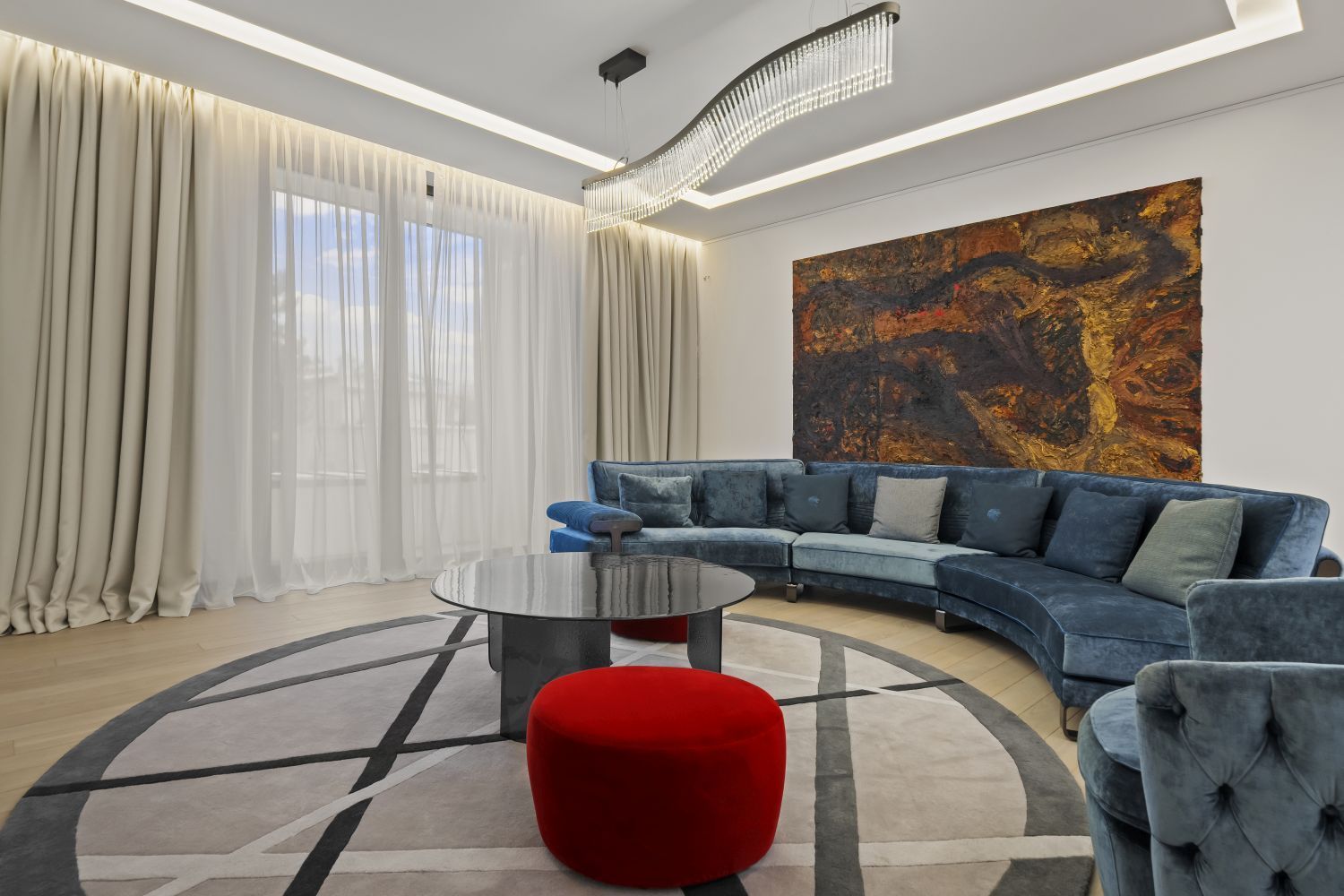
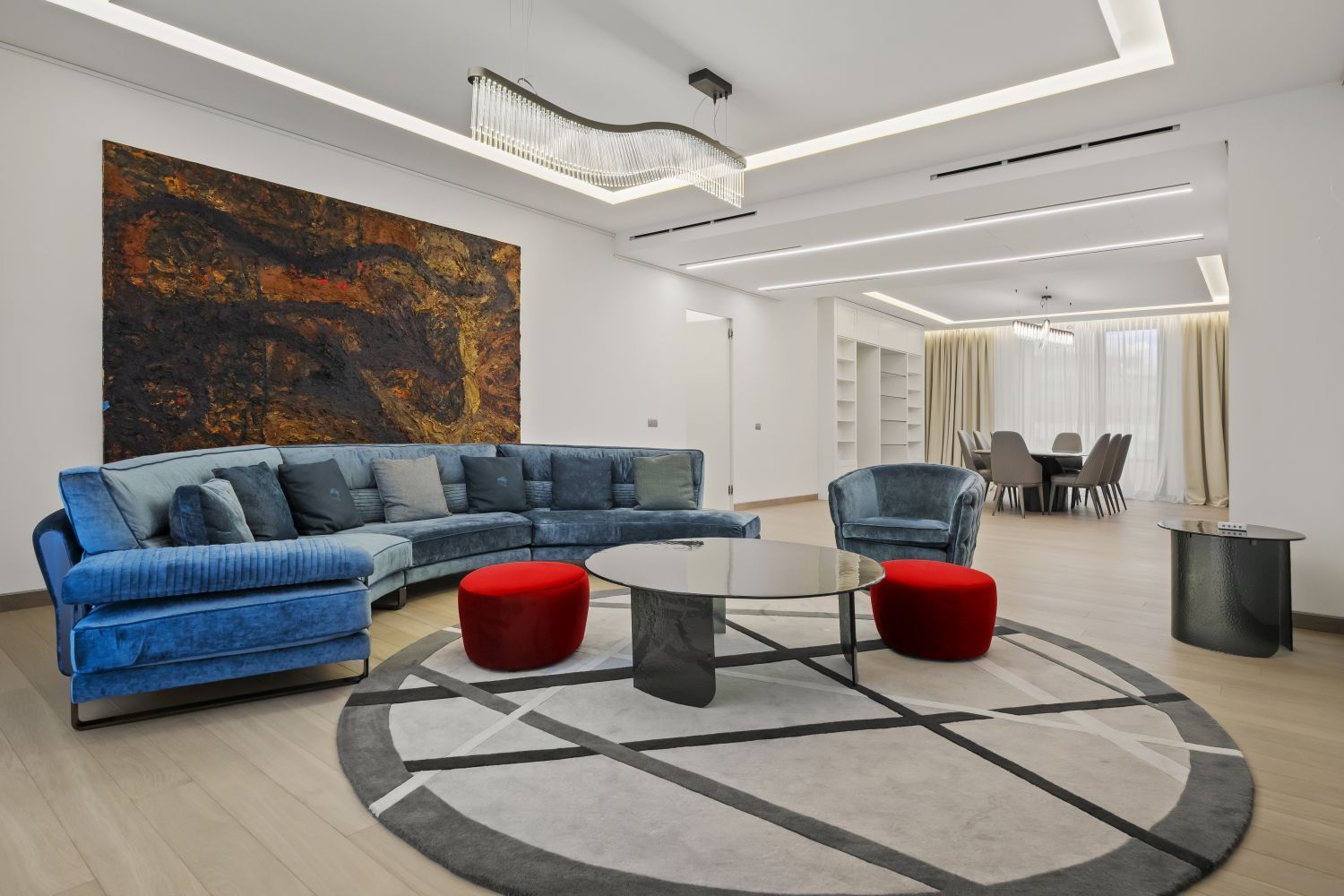
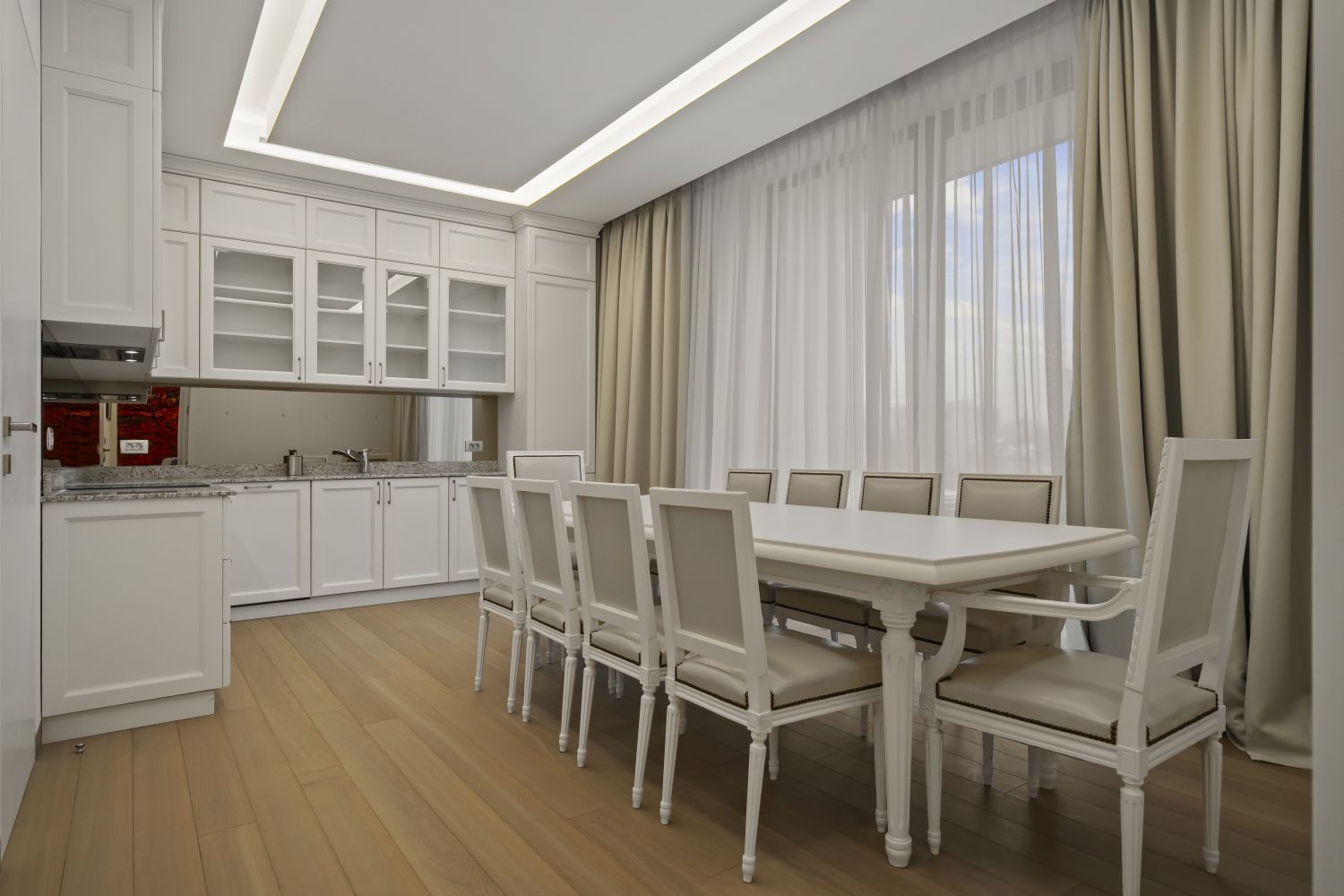
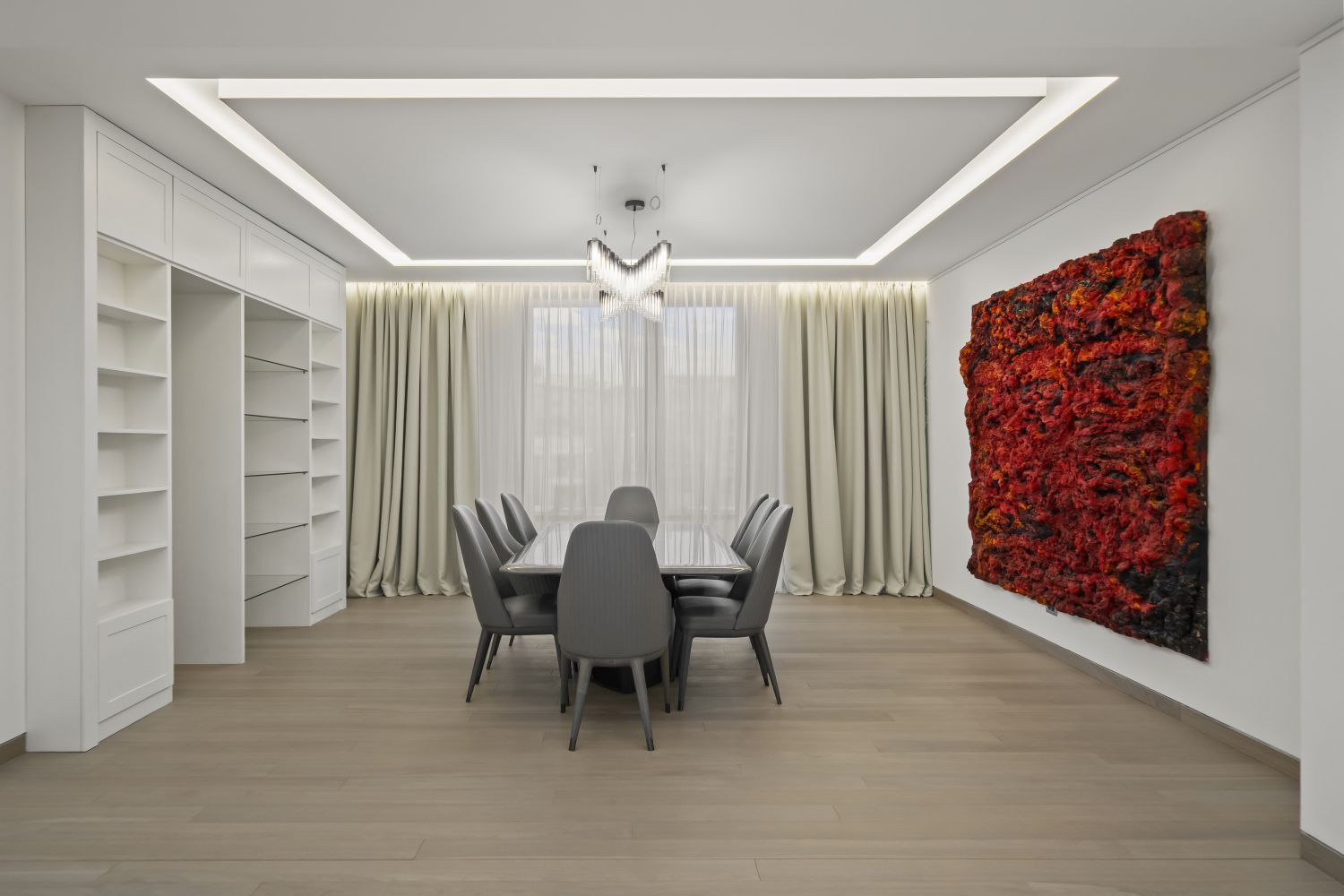
Kiseleff, ultra high-end apartment, exceptional position between two parks
5,500 € / month+ VAT


Looking for a property in Aviatorilor-Kiseleff?
Tell us what you need — a Crosspoint consultant takes it from there.