
Romana
The Romana Square area borders two of Bucharest's key office zones, the CBD and Central area, where over 75,000 people work.
District 1 covers the northern and north-western part of Bucharest. With 264,185 residents, it is the least populous of the six administrative sectors, accounting for 12.5% of Bucharest's population of 2,108,049. At 68 km², however, it is by far the largest by land area — more than a quarter of the city's 236 km² — and holds 163,088 dwellings, or 15.1% of the capital's housing stock of 1,082,392.
About the area
The area, at a glance
Piața Romană means the authentic centre: interwar buildings, a university, immediate access to the metro and to the whole Magheru–Victoriei perimeter. The area attracts urban buyers and investors betting on central rentals. Renovated apartments in solid buildings are the most sought after.
History
The junction took shape in 1898, when Bulevardul Colței, renamed Lascăr Catargiu in 1911, cut through Strada Romană and the other streets in the area. Between 1900 and 1904, the architect Ion Mincu built Casa Nicolae Petrașcu, one of the square's landmarks, followed in 1909-1911 by Casa Nanu-Muscel, designed by Ernest Doneaud. At the same time, in 1909-1910, the Ioanid district east of the square was parcelled out, giving rise to the villa fabric around today's Ion Voicu Park.
In 1913 the Academy of Higher Commercial and Industrial Studies, today ASE, was founded, with its headquarters at Piața Romană 6 built between 1916 and 1926. The ARO (Patria) block followed in 1929-1931, on the Magheru axis, which in the 1930s and 40s would become one of Bucharest's most modern streets. The metro station opened on 28 November 1988.
Properties in the area
See all properties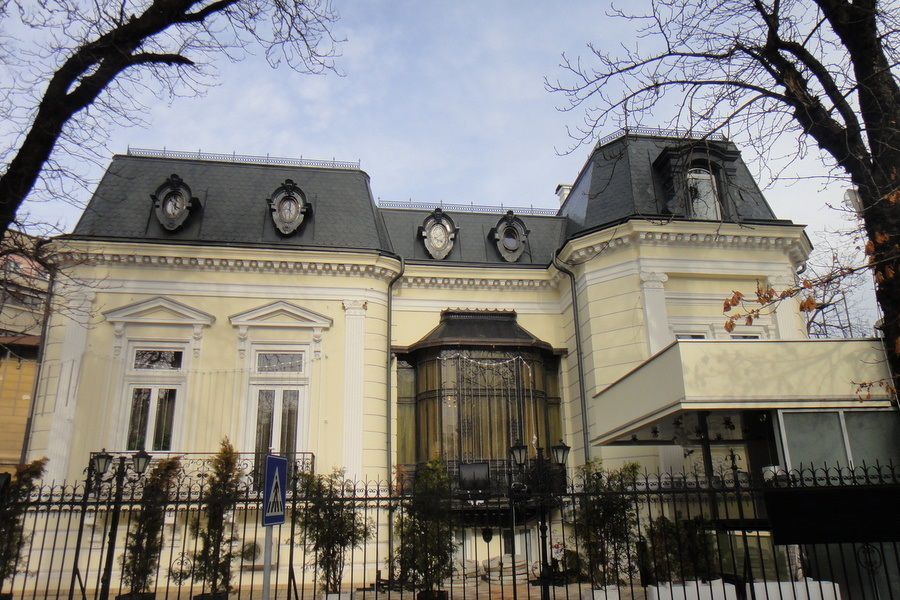
Romana, Bucuresti
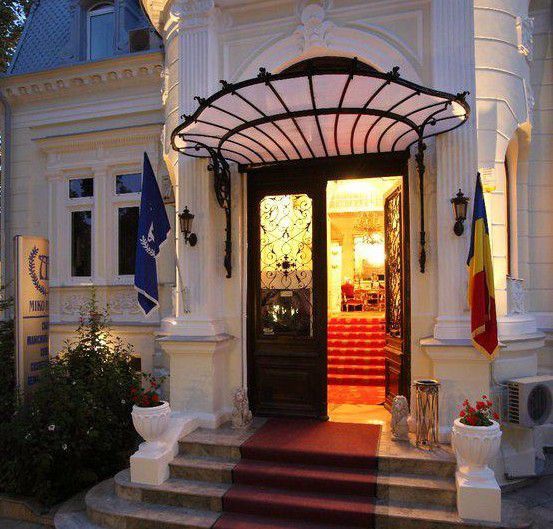
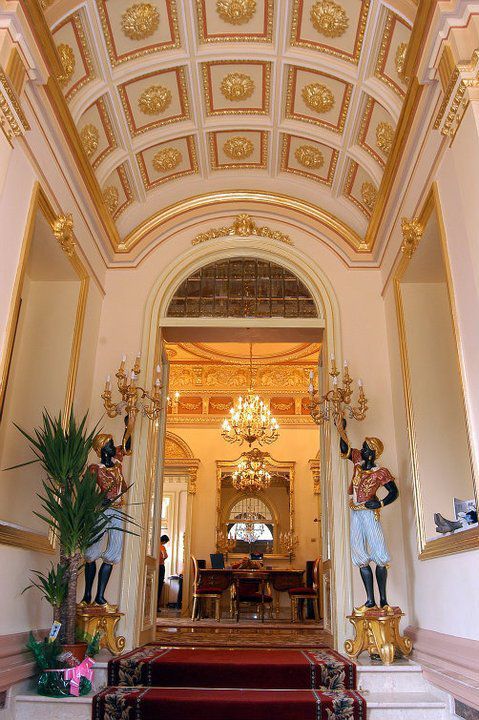
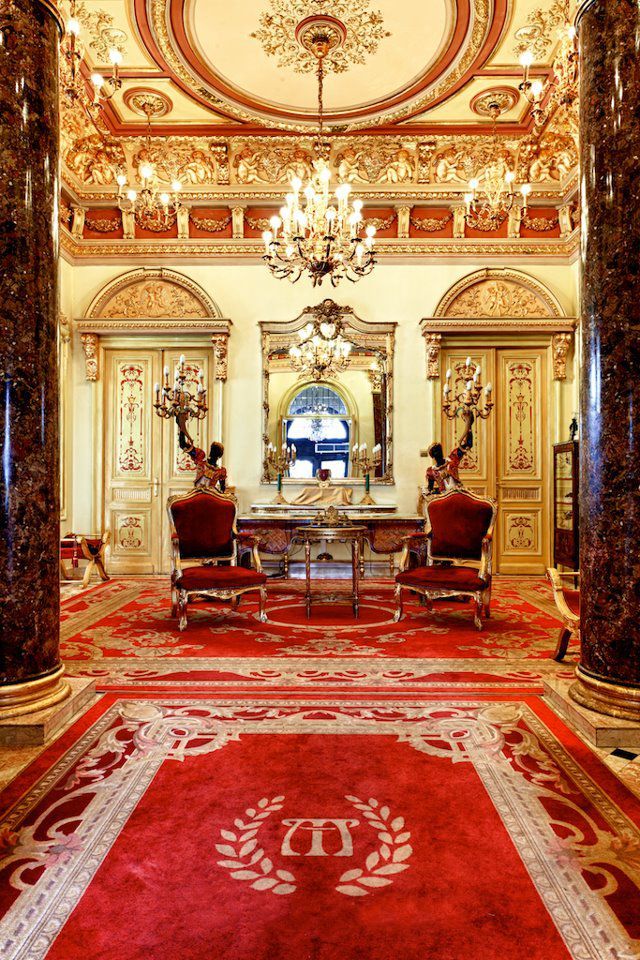
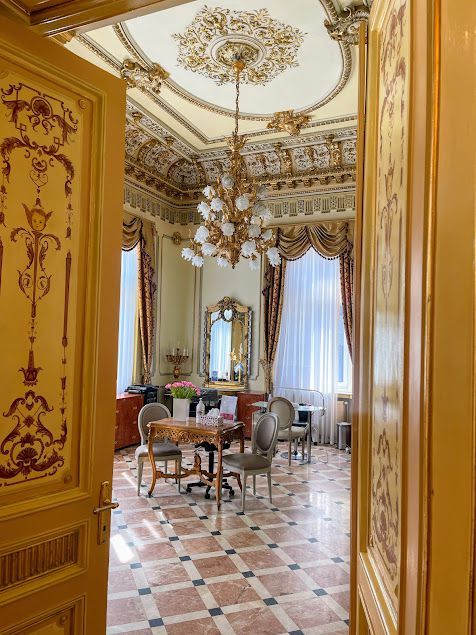
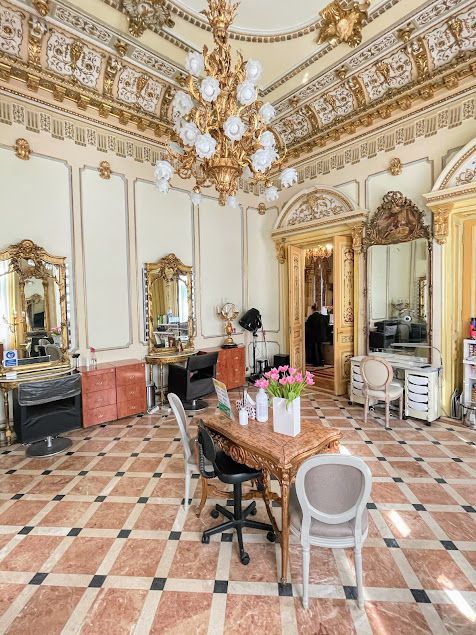
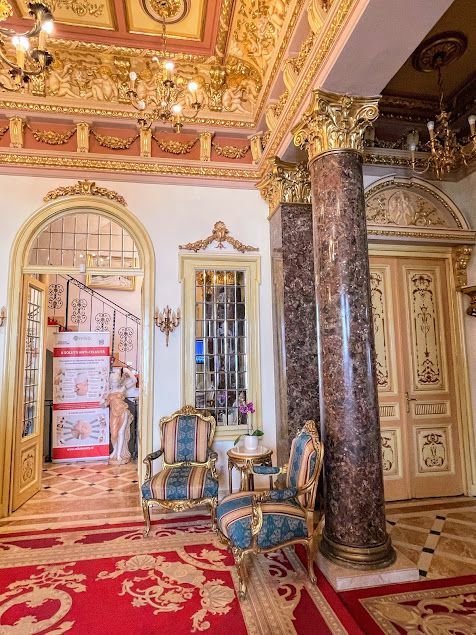
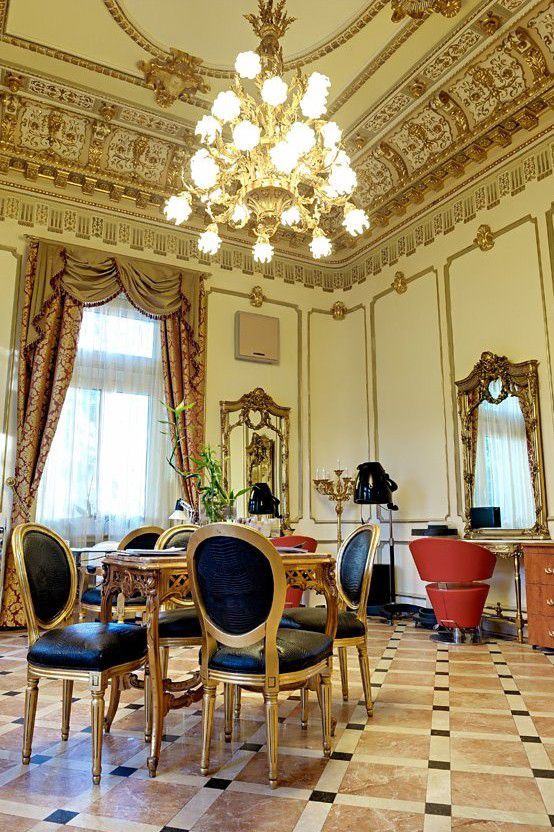
Ideal monument villa for the embassy, consulate, in the Romana Square area
25,000 € / month
Looking for a property in Romana?
Tell us what you need — a Crosspoint consultant takes it from there.