
Central
Romania's Central region (the counties of Brașov, Sibiu, Alba, Mureș, Covasna, Harghita, Cluj and Bistrița-Năsăud) is the country's second most important industrial hub. It is oriented towards manufacturing, automotive, electronic components and pharmaceuticals, with the Cluj-Turda hub as the region's second centre. On the road side, the area is served by the A1 (Sibiu – Sebeș – Deva – Nădlac, a direct link to the western border), the A3 (the Gilău–Turda and Nădășelu sections, the Cluj/Turda/Mureș area) and the A10 (Turda–Sebeș, a direct link to the A1). The ongoing projects on the A13 (Sibiu – Făgăraș – Brașov) and A7 sections raise the connectivity potential towards Moldavia and the south of the country.
The region also includes important rail hubs (Brașov, Teiuș, Simeria), connected to the Pan-European Rhine-Danube Corridor, alongside the Cluj-Napoca hub.
The area has four international airports with cargo options: Brașov-Ghimbav (cargo potential under development), Sibiu, Târgu Mureș and Cluj-Napoca, where a dedicated cargo terminal is being prepared.
Automotive, industrial equipment, and transport & logistics form the core of the Central region, which offers 0.74 million sqm of industrial and logistics stock at rents of €4.5/sqm/month. (Source: Crosspoint Research, Romanian Real Estate Market H1 2026)
About the area
The area, at a glance
Central Romania, with the Sibiu, Brașov and Cluj hubs, has consolidated as an industrial platform thanks to its position on the east–west corridors and its manufacturing tradition. The area attracts the automotive industry, components and regional logistics, with locally trained technical labour. The connection to the A1 and A3 and to the future motorway sections strengthens its role.
History
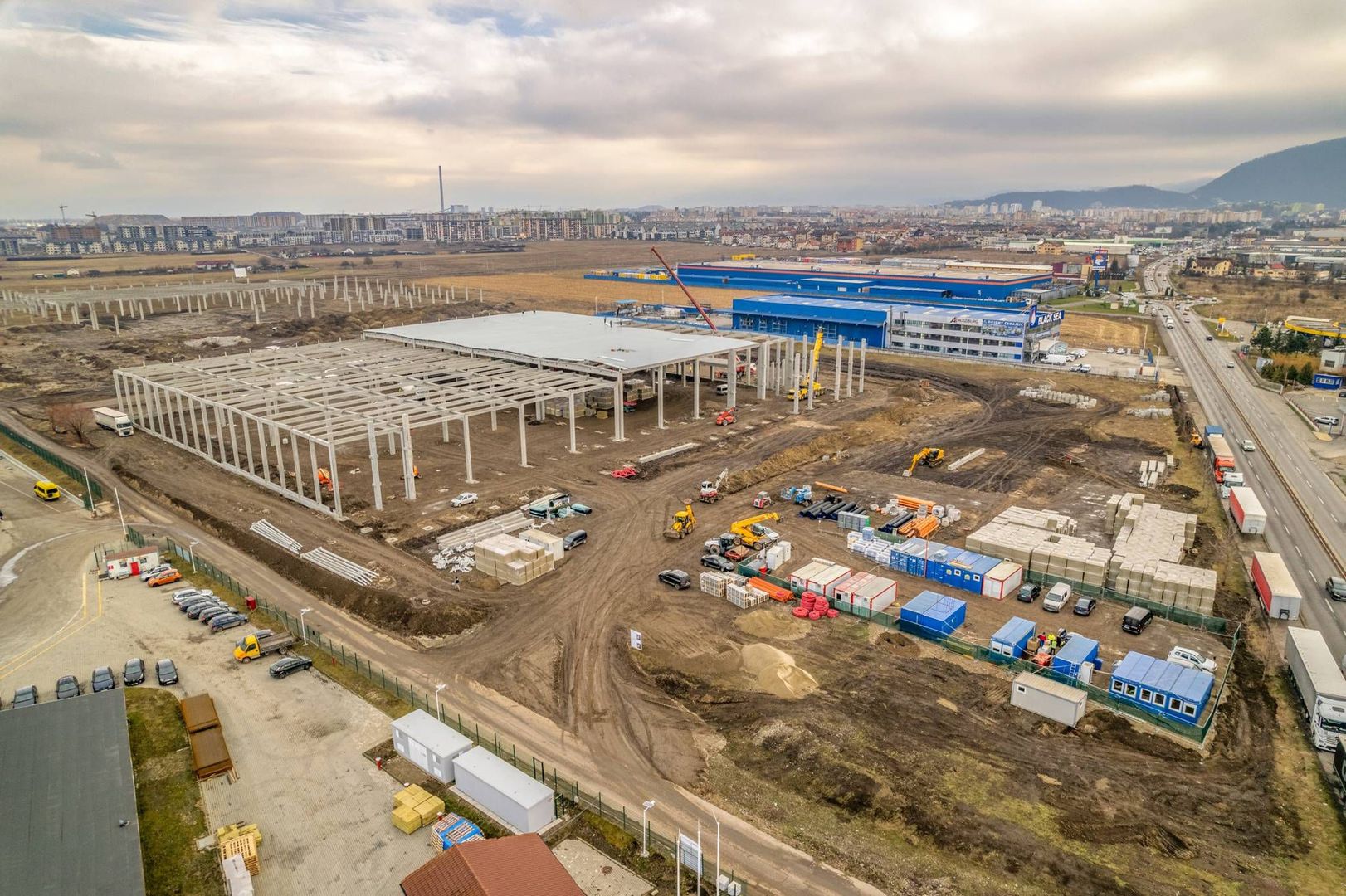
Sibiu's industrial zone has, the longest industrial tradition in Romania. Continental Automotive Systems operates here as part of its Romanian network of five production units and four engineering centres, alongside Timișoara, Carei and Iași. Marquardt Sibiu grew to become the group's largest subsidiary worldwide, with cumulative investments of €160 million and over 2,700 employees. CTP developed two of its industrial parks here, CTPark Brașov West and CTPark Sibiu, later extended with Sibiu East, part of the regional network the company presents, in its 2026 communications, as the largest industrial park in Europe.
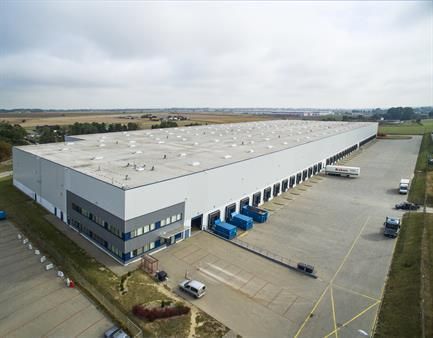
Properties in the area
See all properties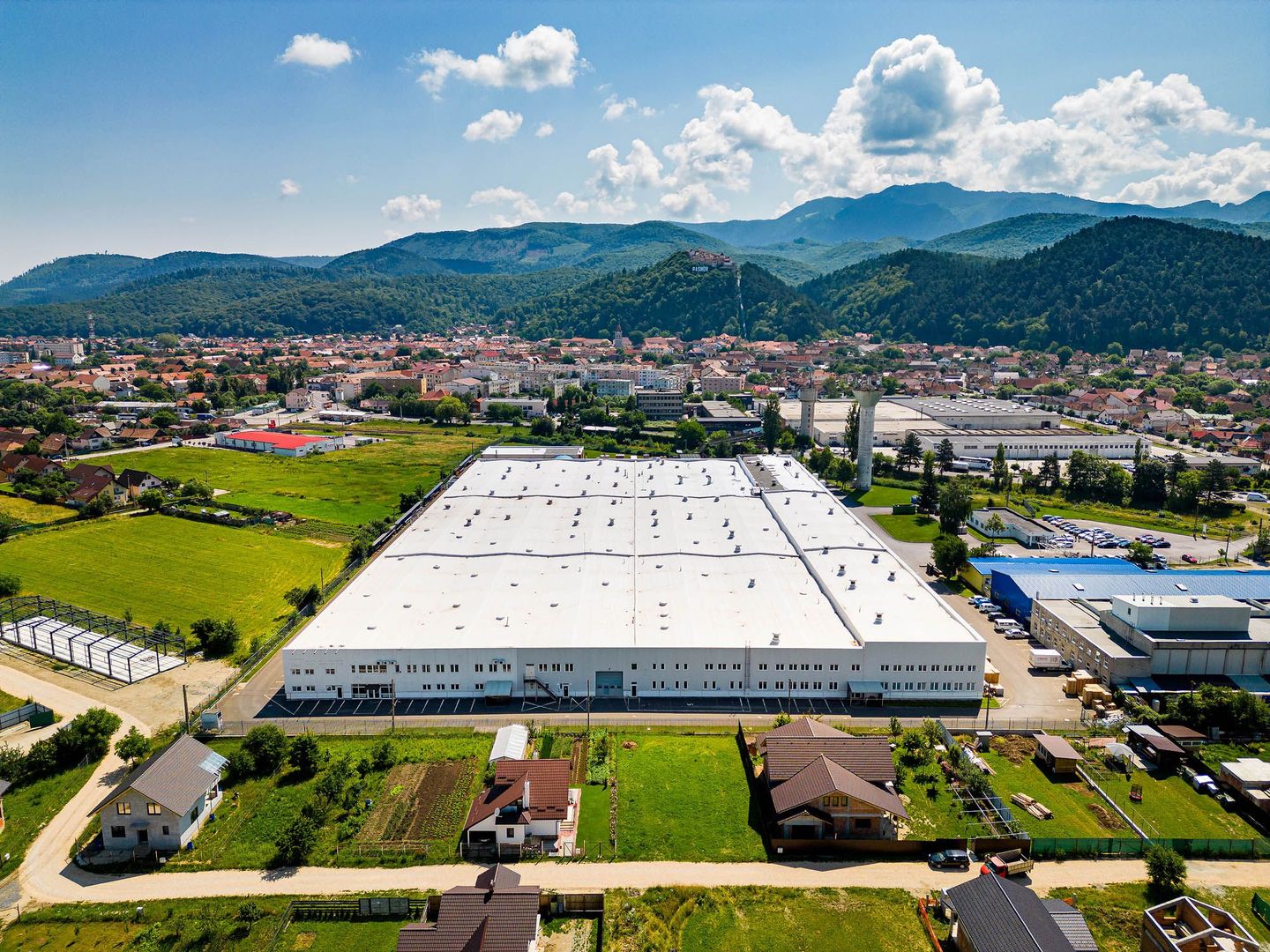
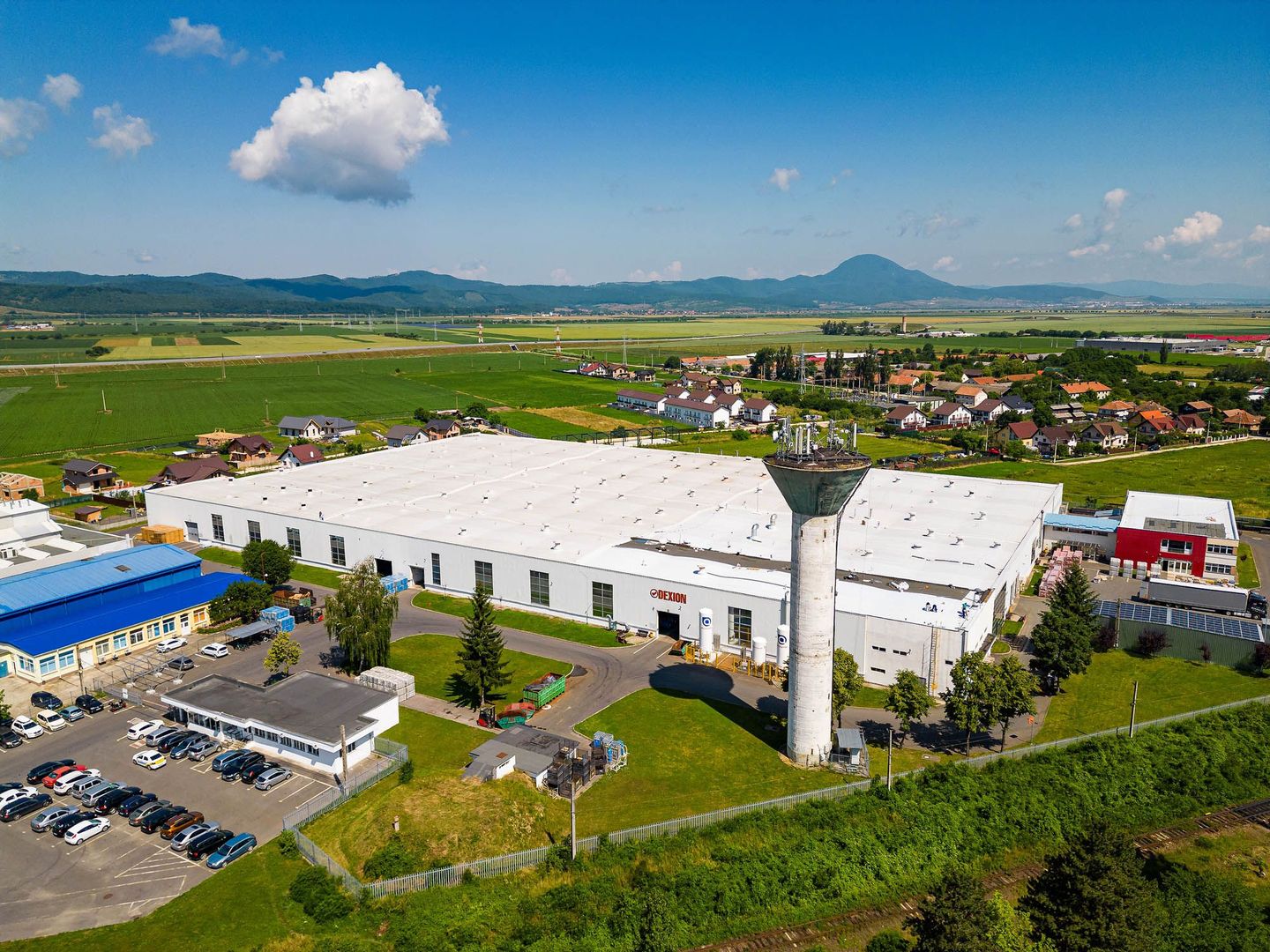
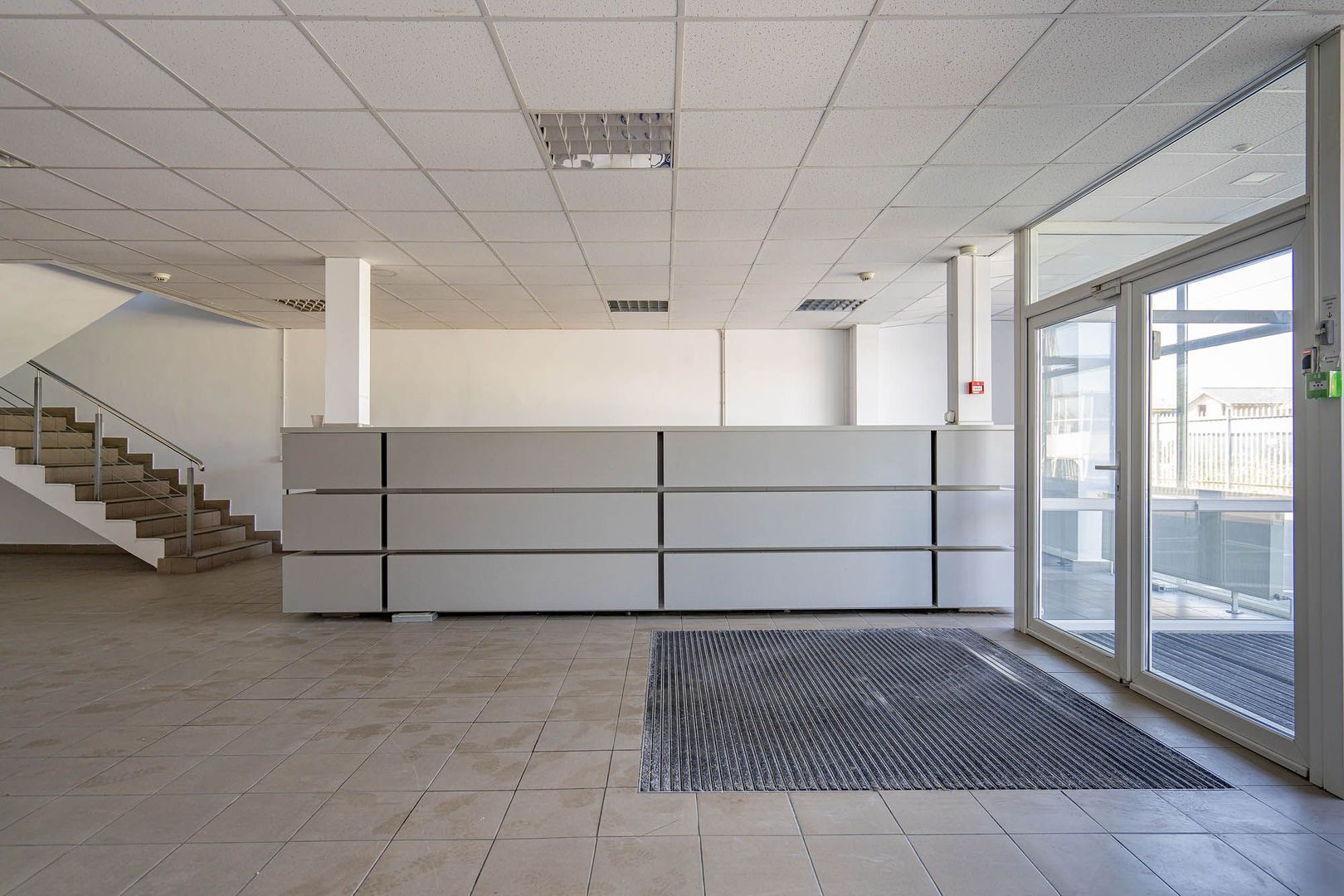
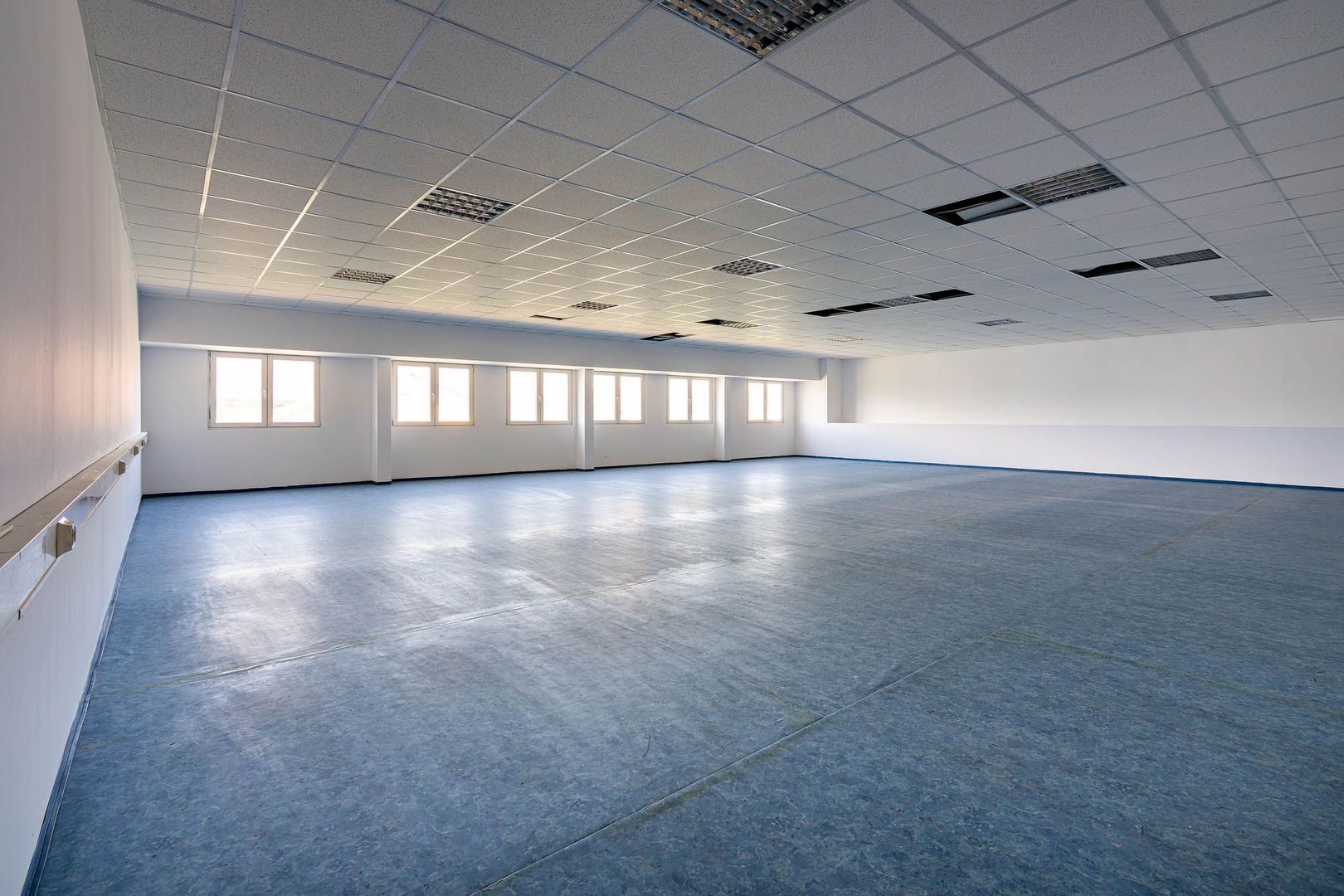
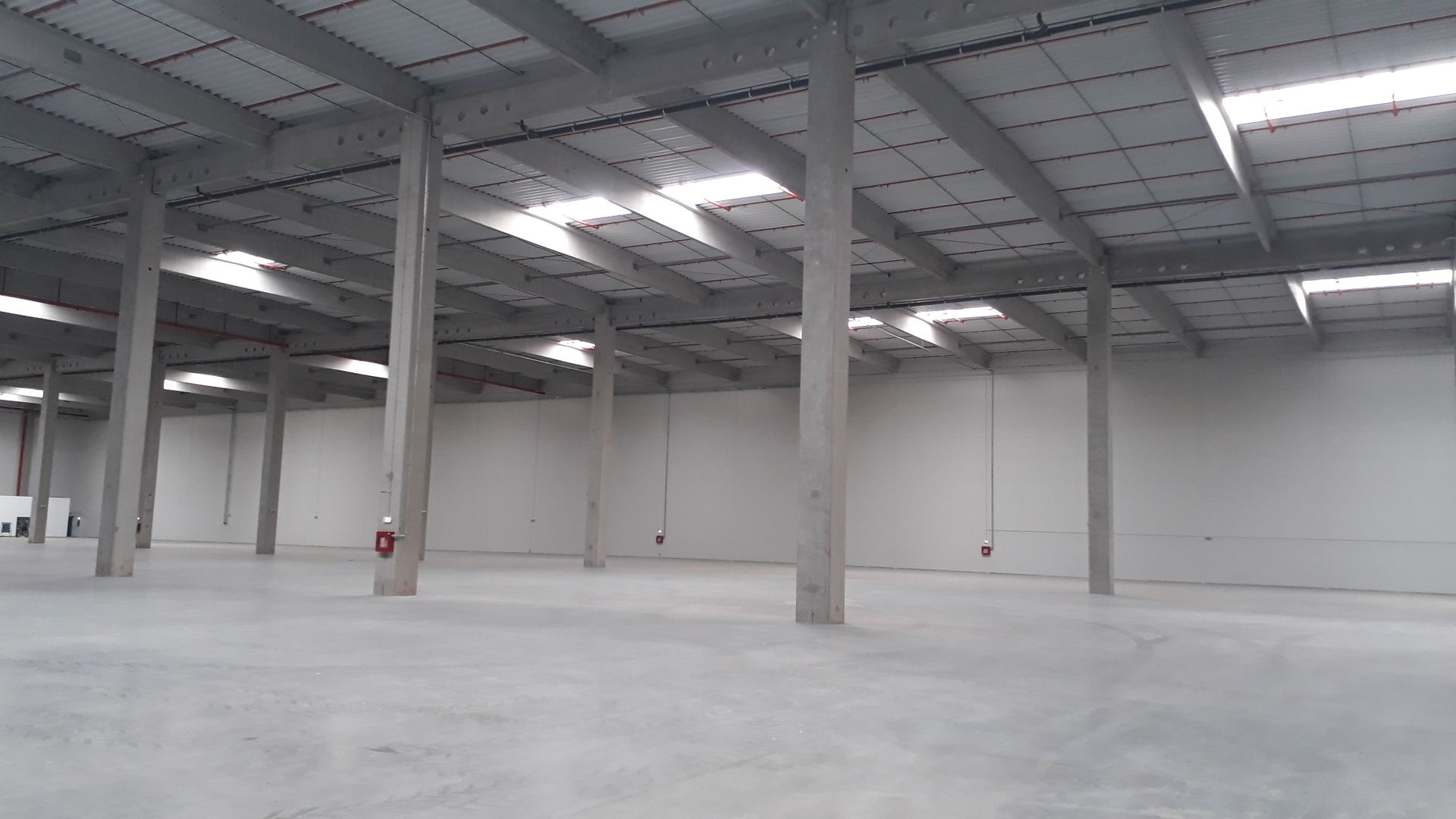
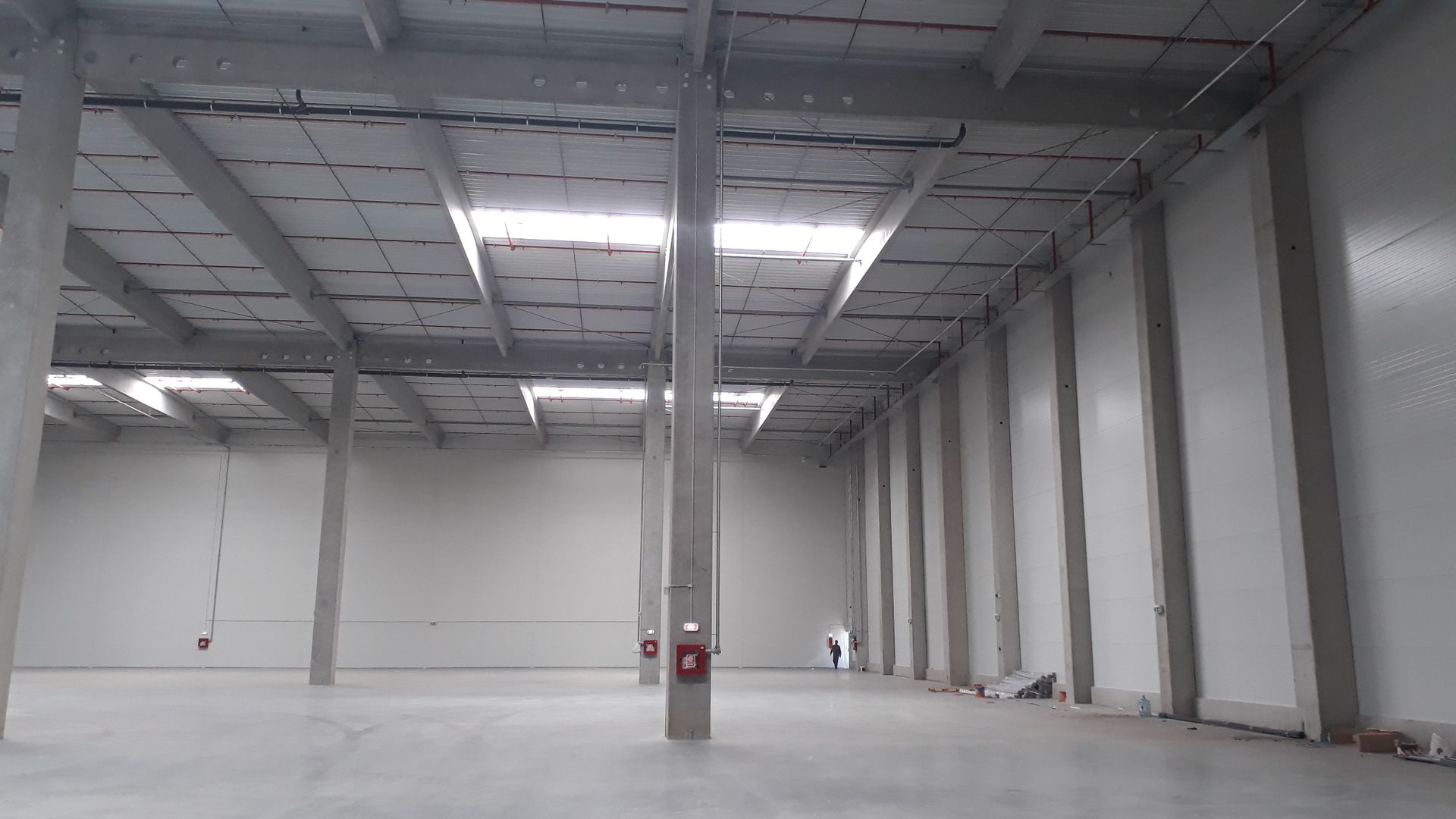
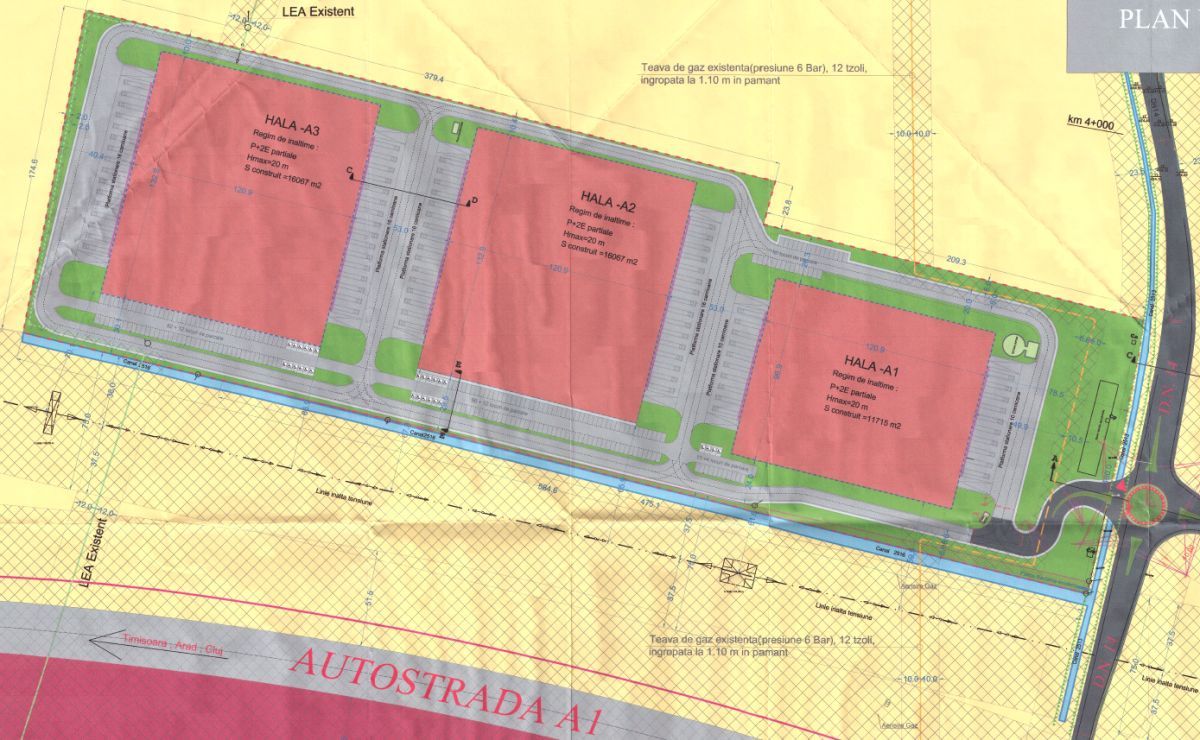
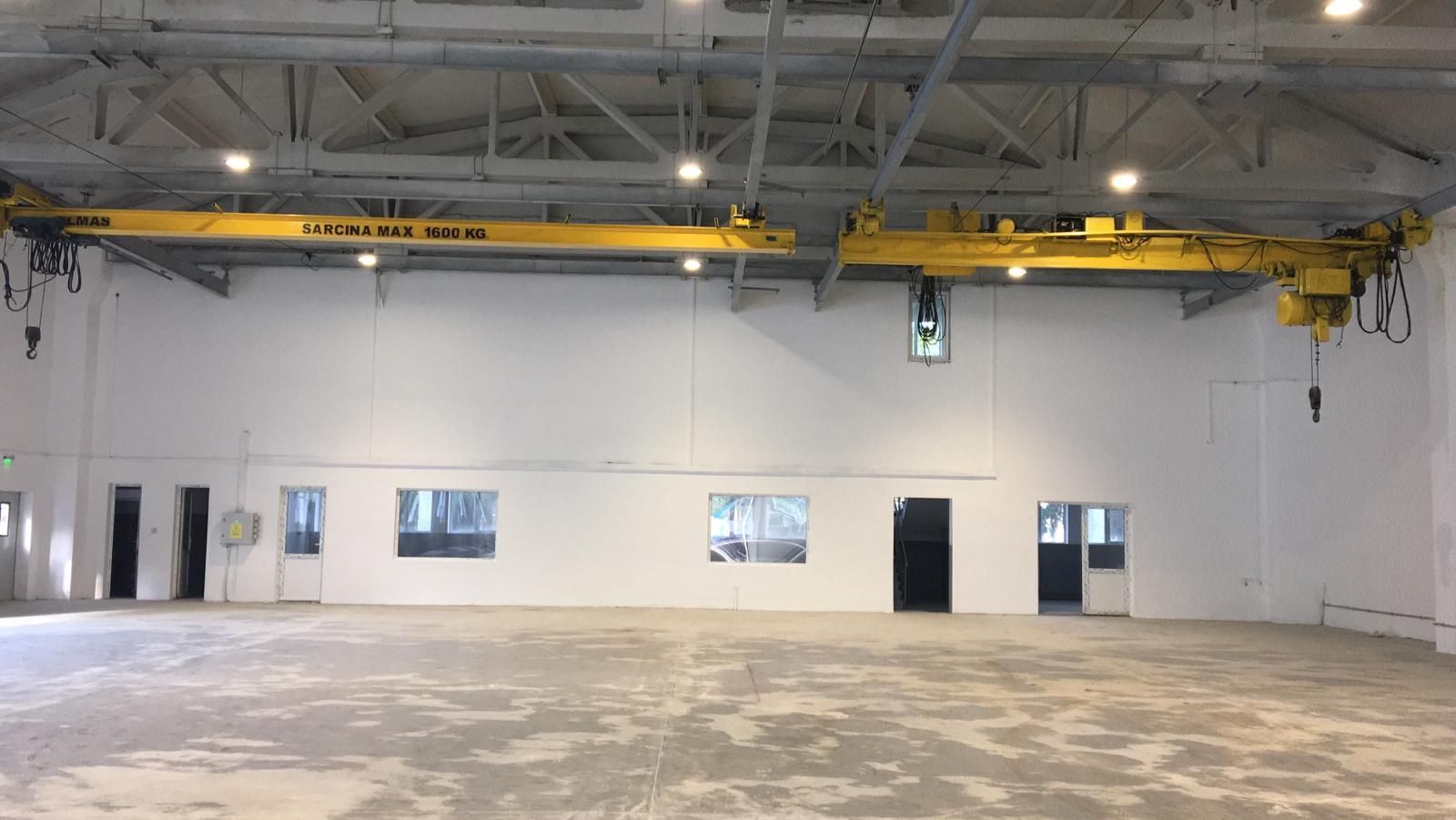
Looking for a property in Central?
Tell us what you need — a Crosspoint consultant takes it from there.