
Victoriei
Located right at the heart of the CBD, the office hub home to more than 32,000 employees, the Victoriei area also enjoys easy access to all of the city's office hotspots, thanks to its central position and multiple public transport connections.
District 1 covers the northern and north-western part of Bucharest. With 264,185 residents, it is the least populous of the six administrative sectors, accounting for 12.5% of Bucharest's population of 2,108,049. At 68 km², however, it is by far the largest by land area — more than a quarter of the city's 236 km² — and holds 163,088 dwellings, or 15.1% of the capital's housing stock of 1,082,392.
About the area
The area, at a glance
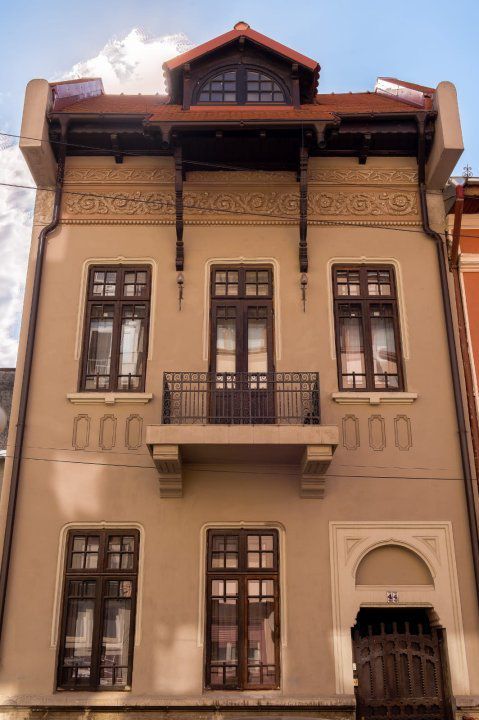
Calea Victoriei remains the city's most representative artery: the Athenaeum, palaces, hotels and restored heritage buildings. Living here is a statement: apartments with history, right in the cultural centre. Quality supply is rare and fiercely contested.
History
Piața Victoriei got its current name in 1878, at the junction of six boulevards: Calea Victoriei, Bd. Lascăr Catargiu, Bd. Iancu de Hunedoara, Str. Paris, Bd. Aviatorilor and Șoseaua Kiseleff. The space itself had existed for almost 50 years, since Șoseaua Kiseleff was laid out in 1832. On one side, the Grigore Antipa Museum was built between 1903 and 1906, in neoclassical style, designed by the architect Grigore Cerkez. Victoria Palace, today the seat of the Government, was built between 1937 and 1947 to the plans of Duiliu Marcu; the bombing raids of 1944 damaged it seriously, and restoration was completed in 1952, with marble reliefs by the sculptor Mac Constantinescu. The square doubled in size after the war, and the late 1980s brought the surrounding apartment blocks and Pasajul Victoriei, put into service between 1987 and 1989.
Properties in the area
See all properties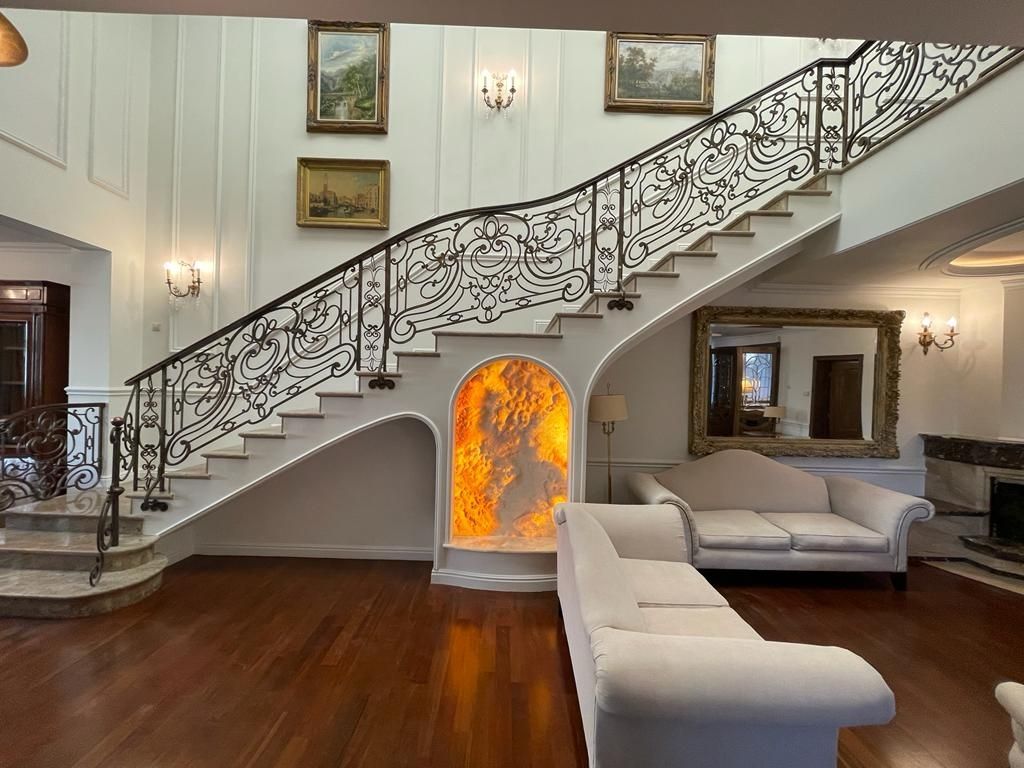
Victoriei, Bucuresti
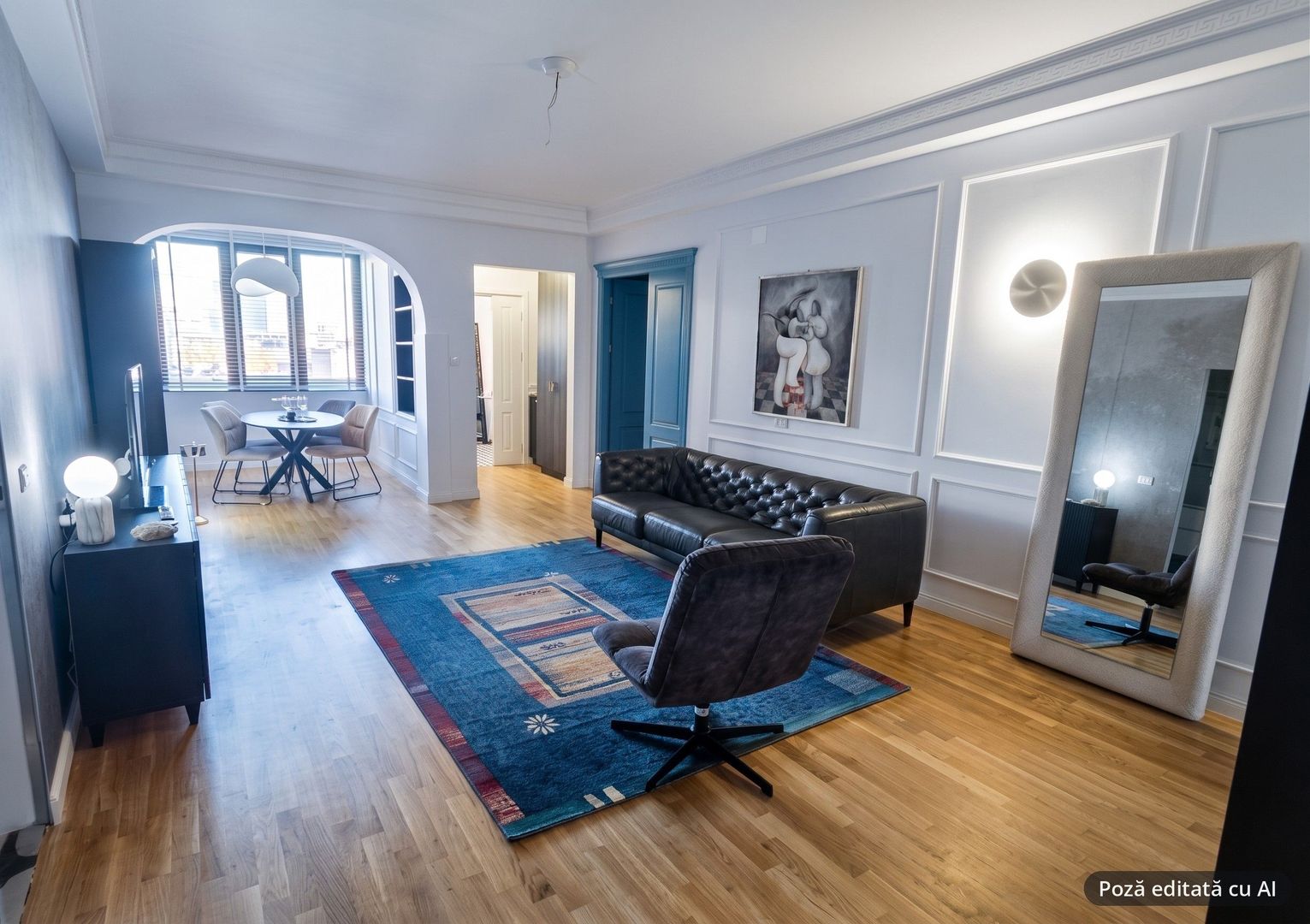
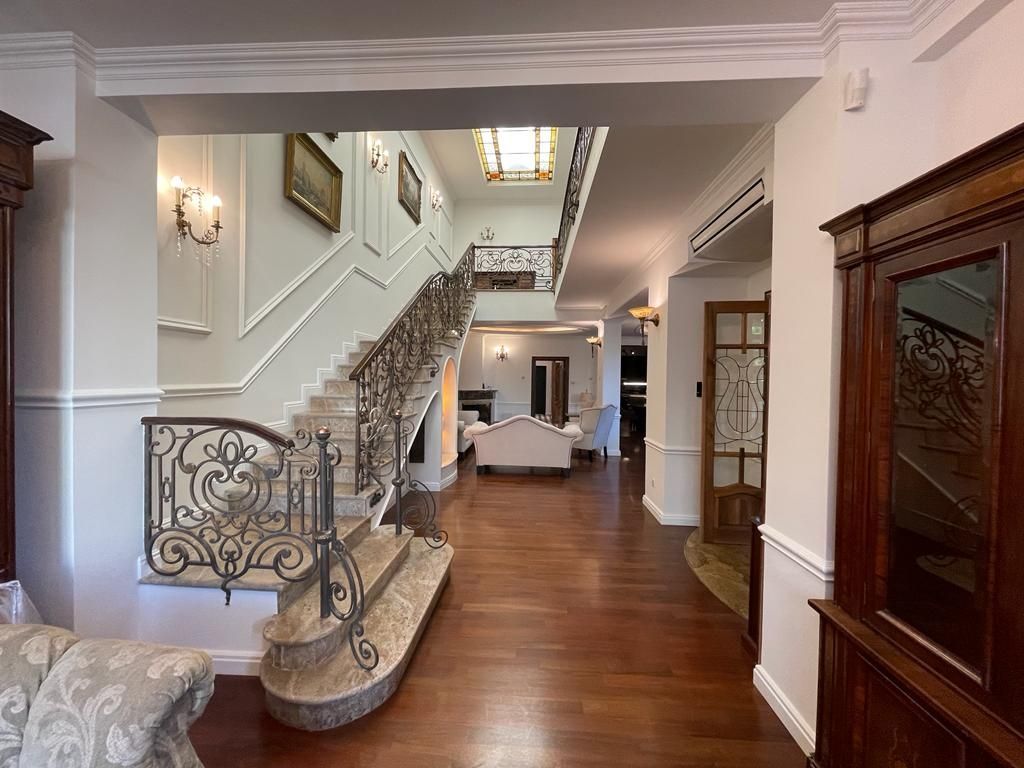
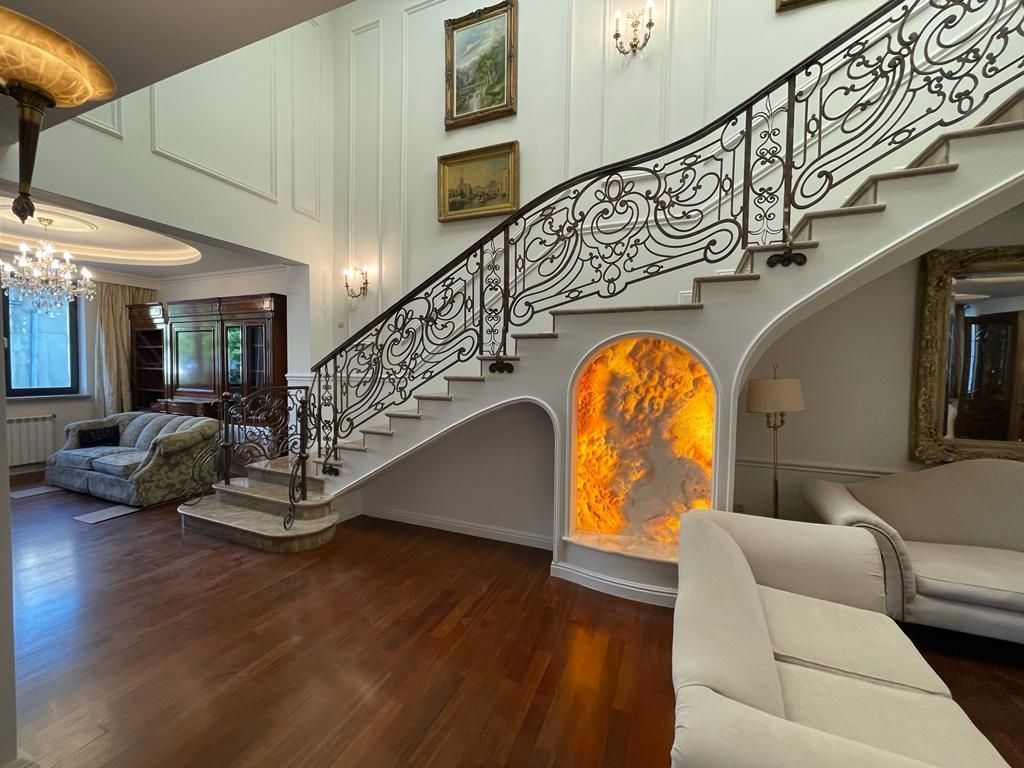
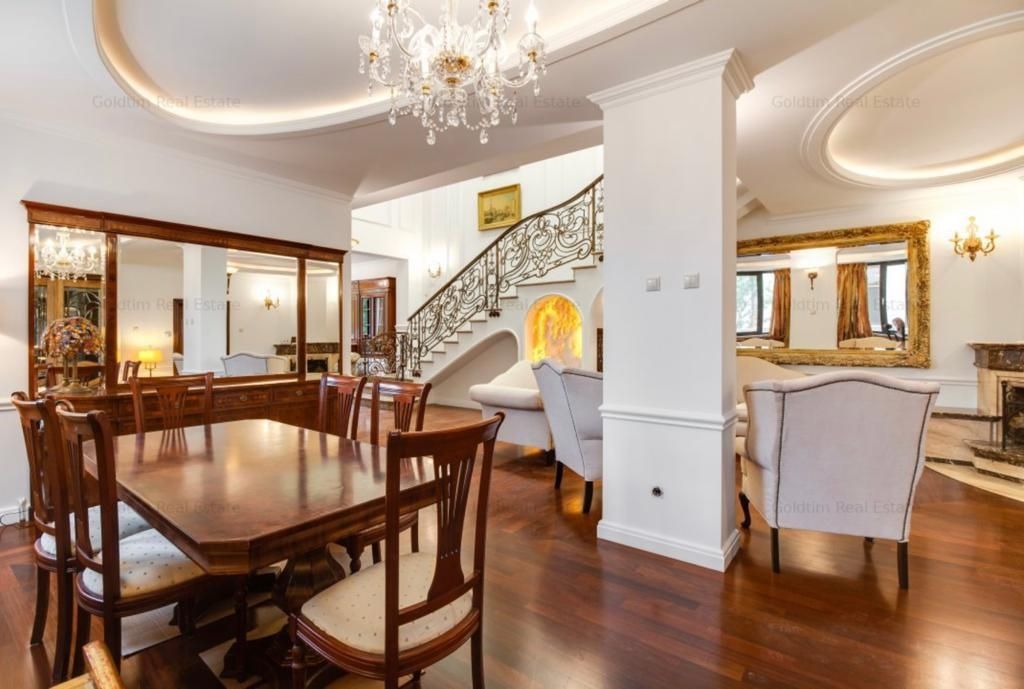
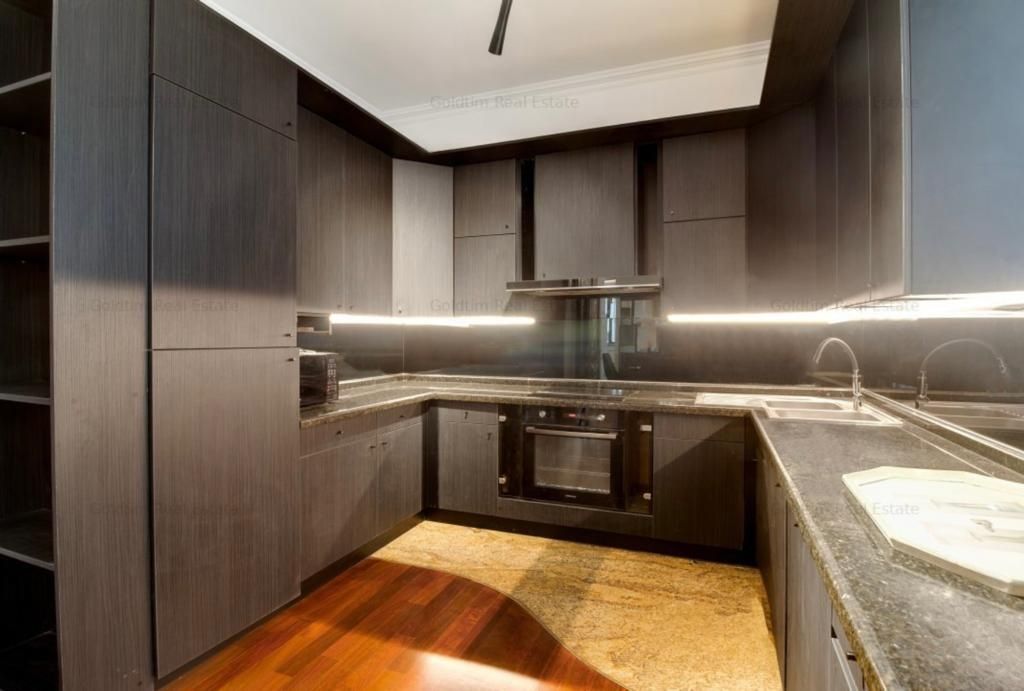
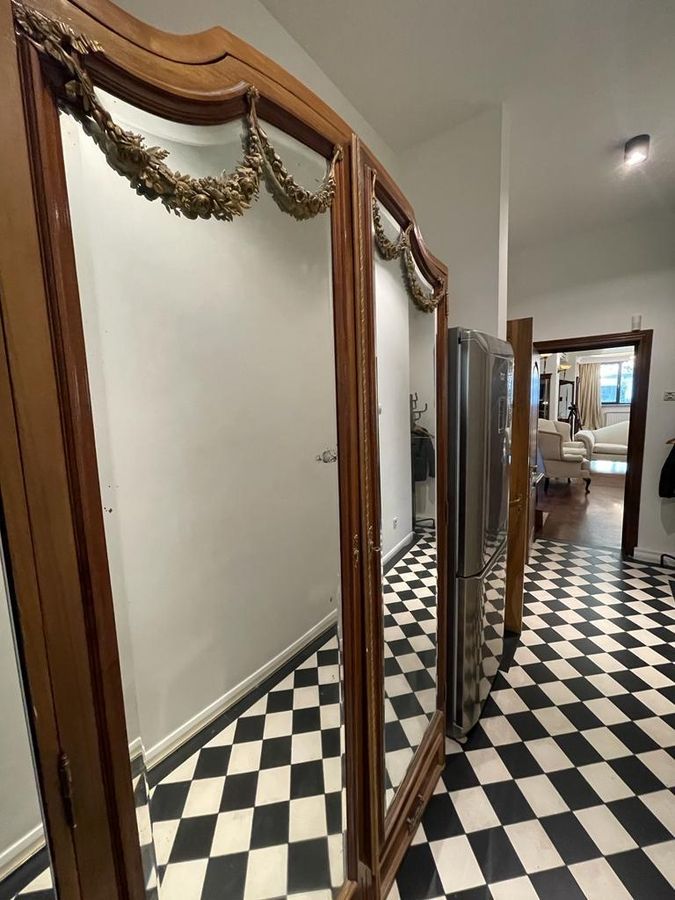
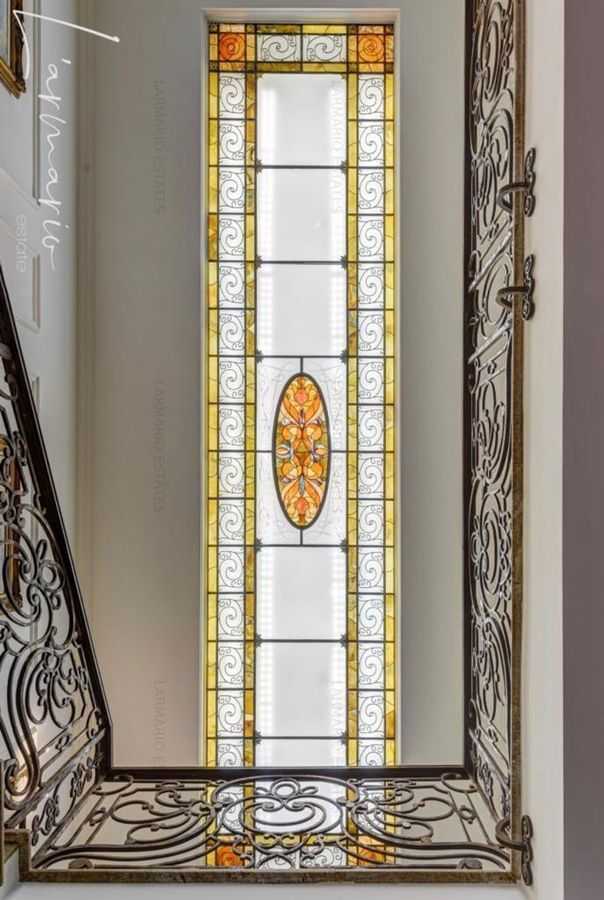
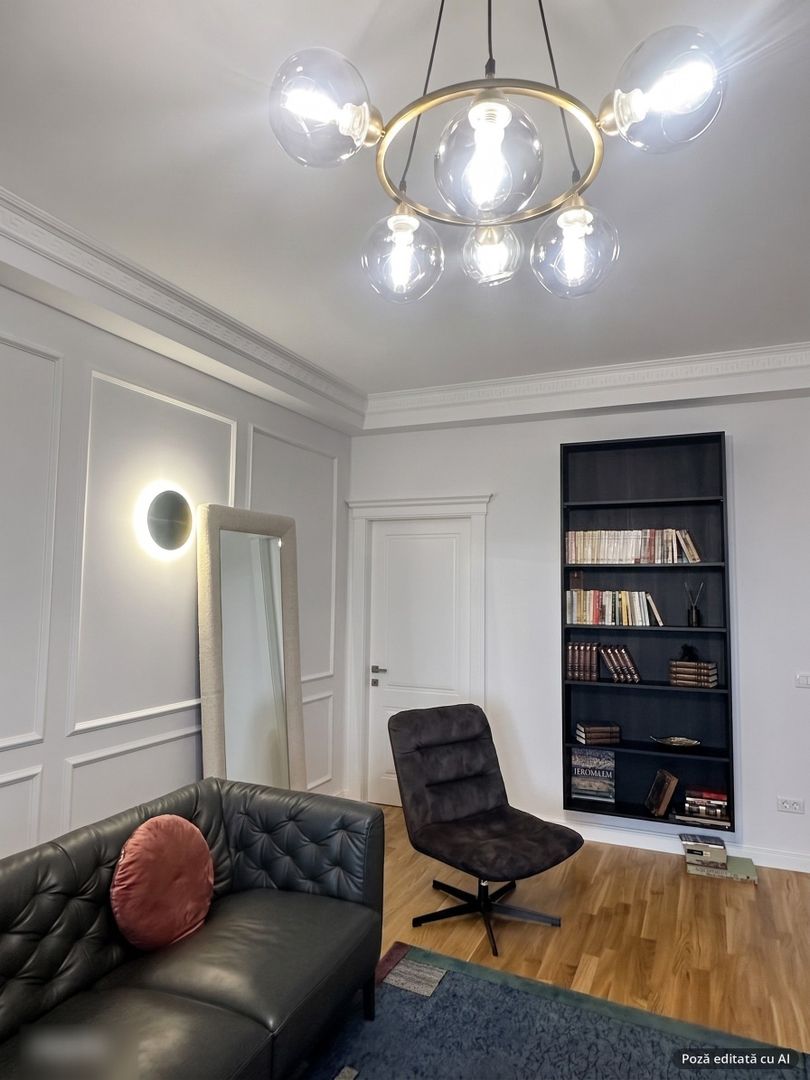
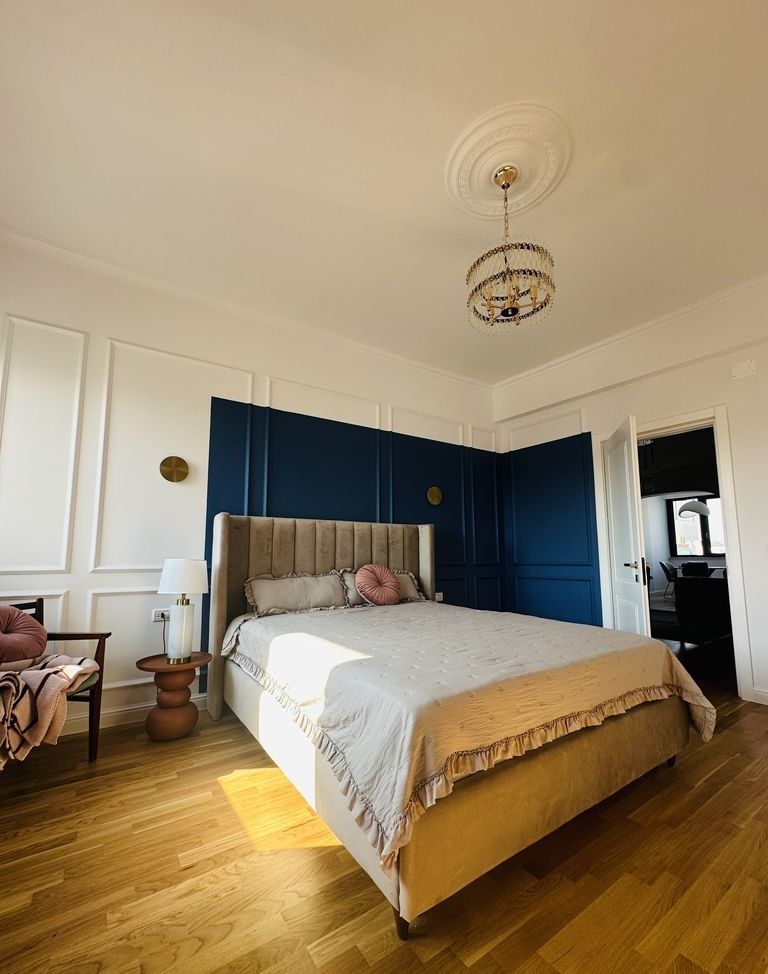
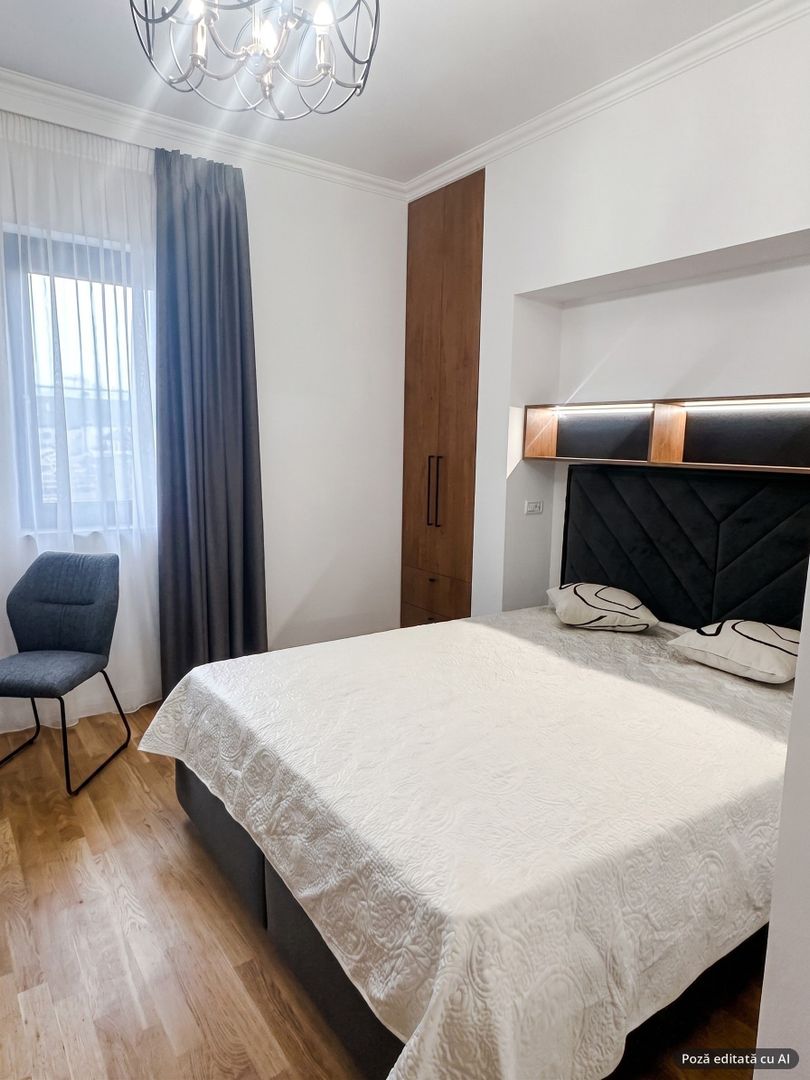
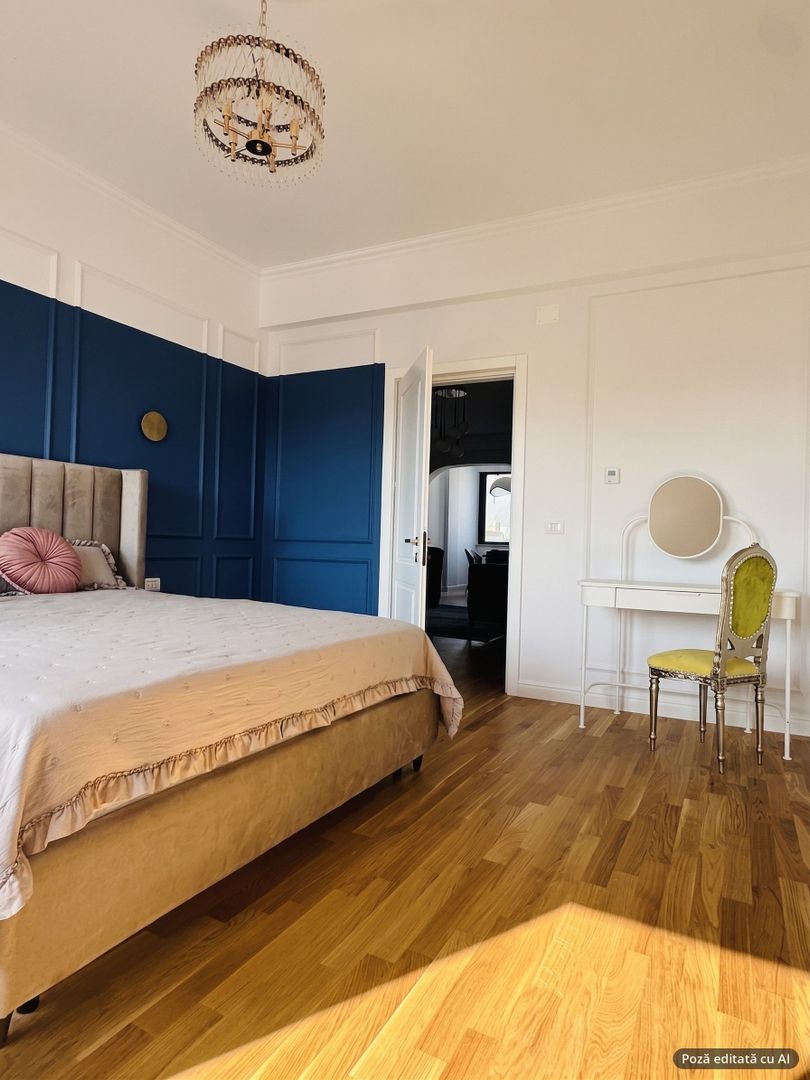
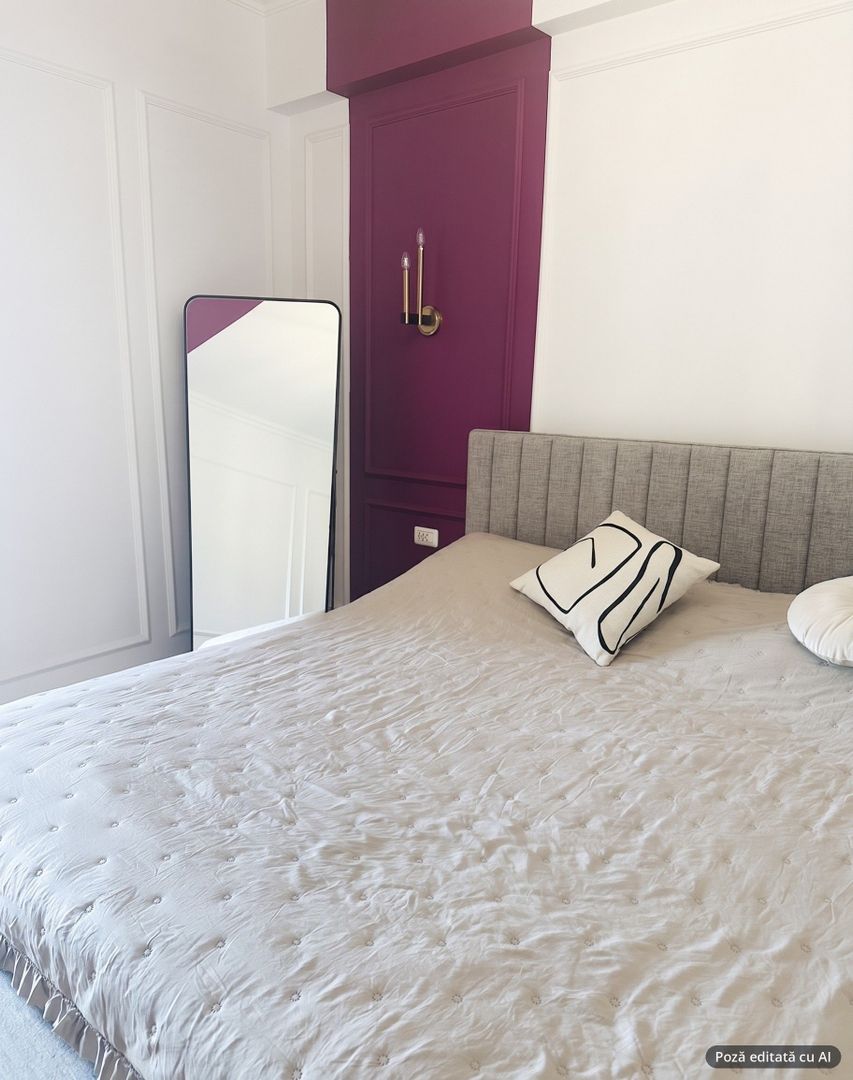
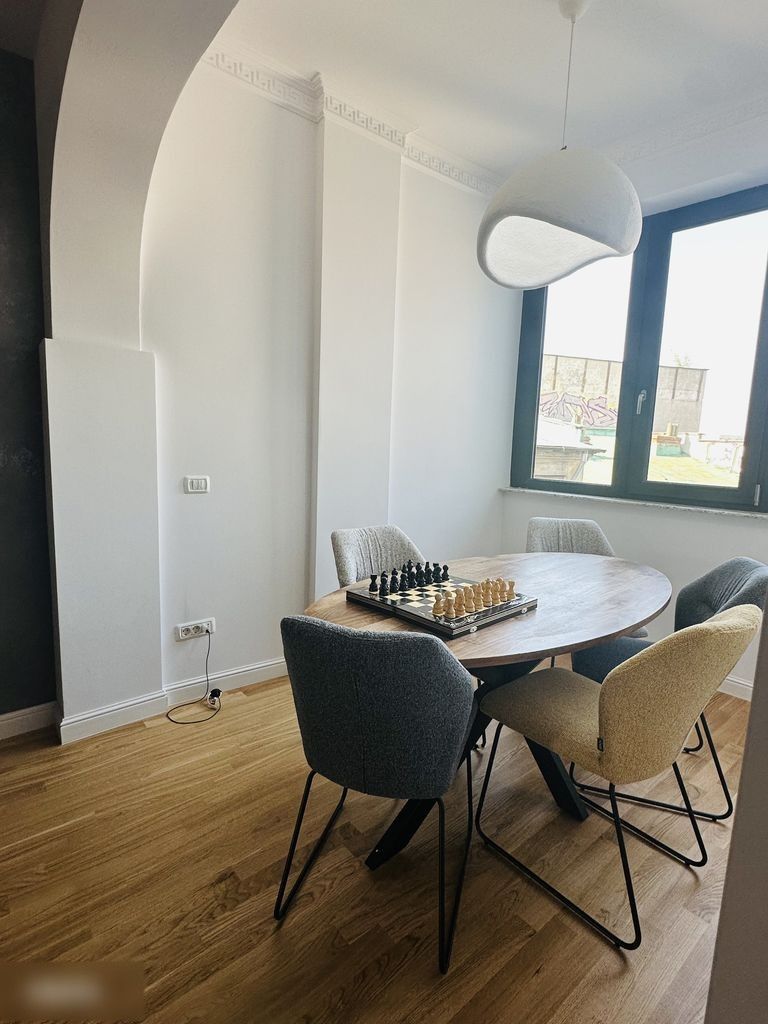
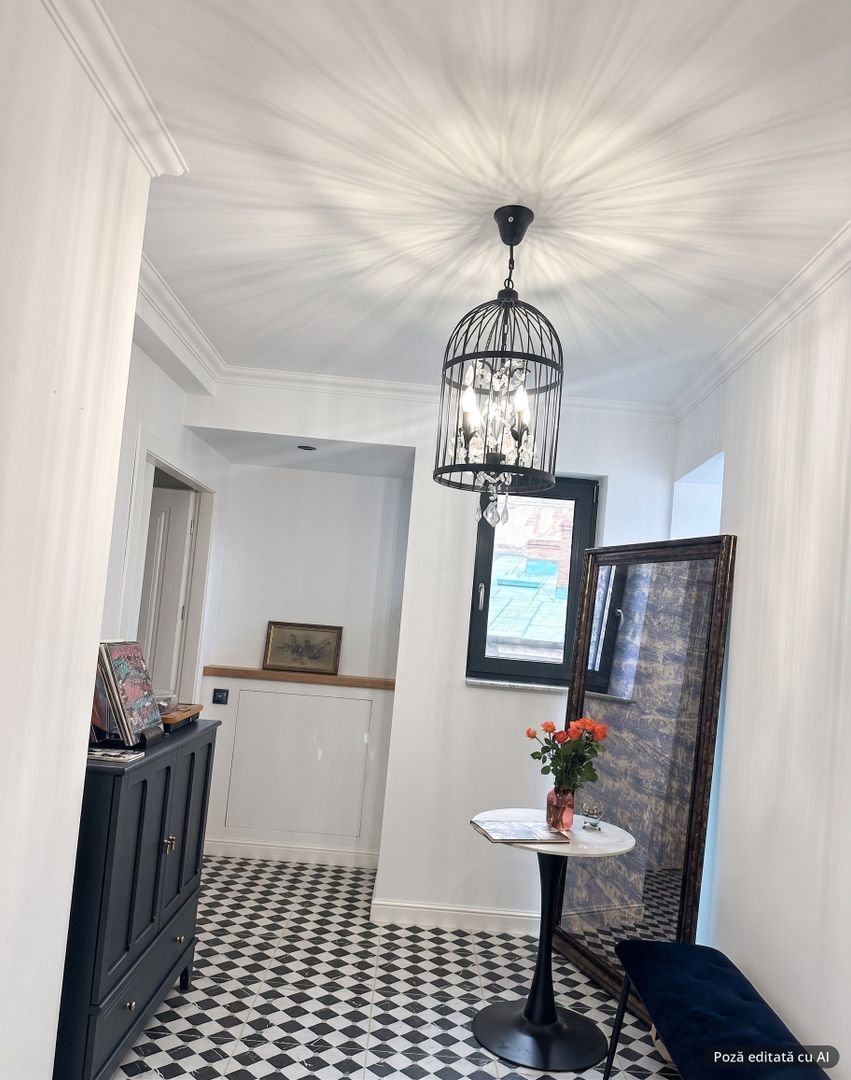
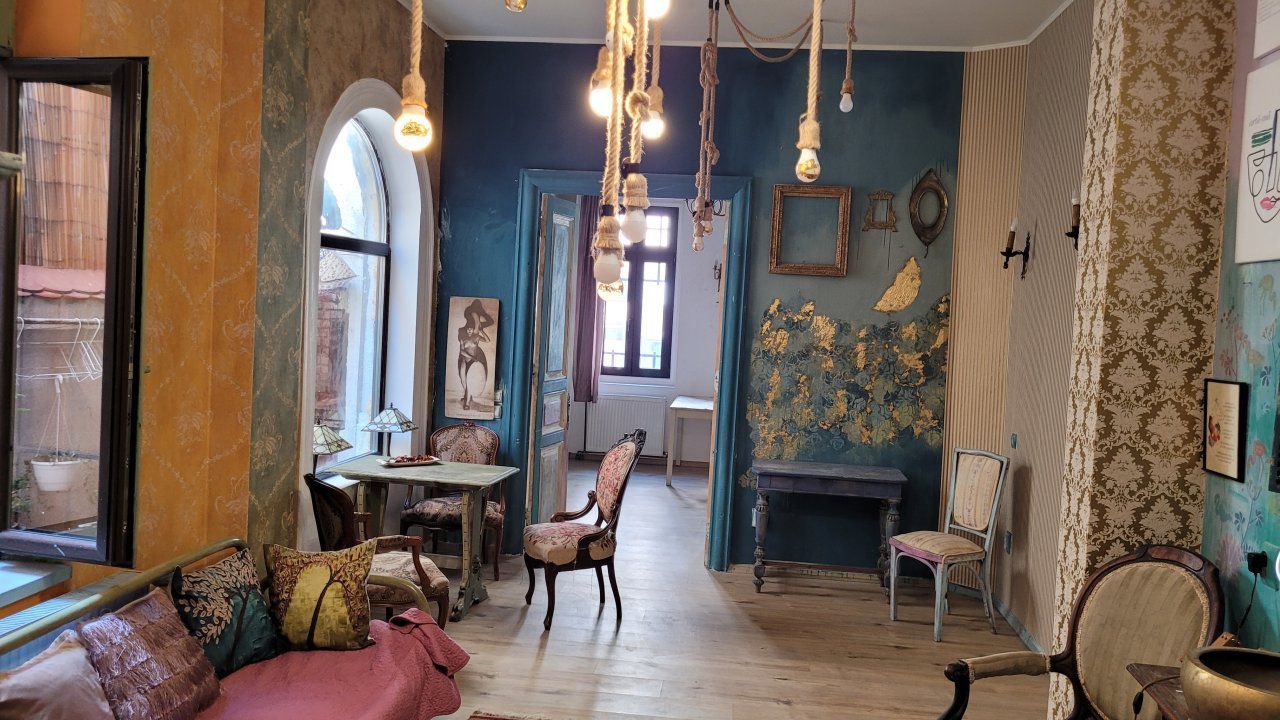
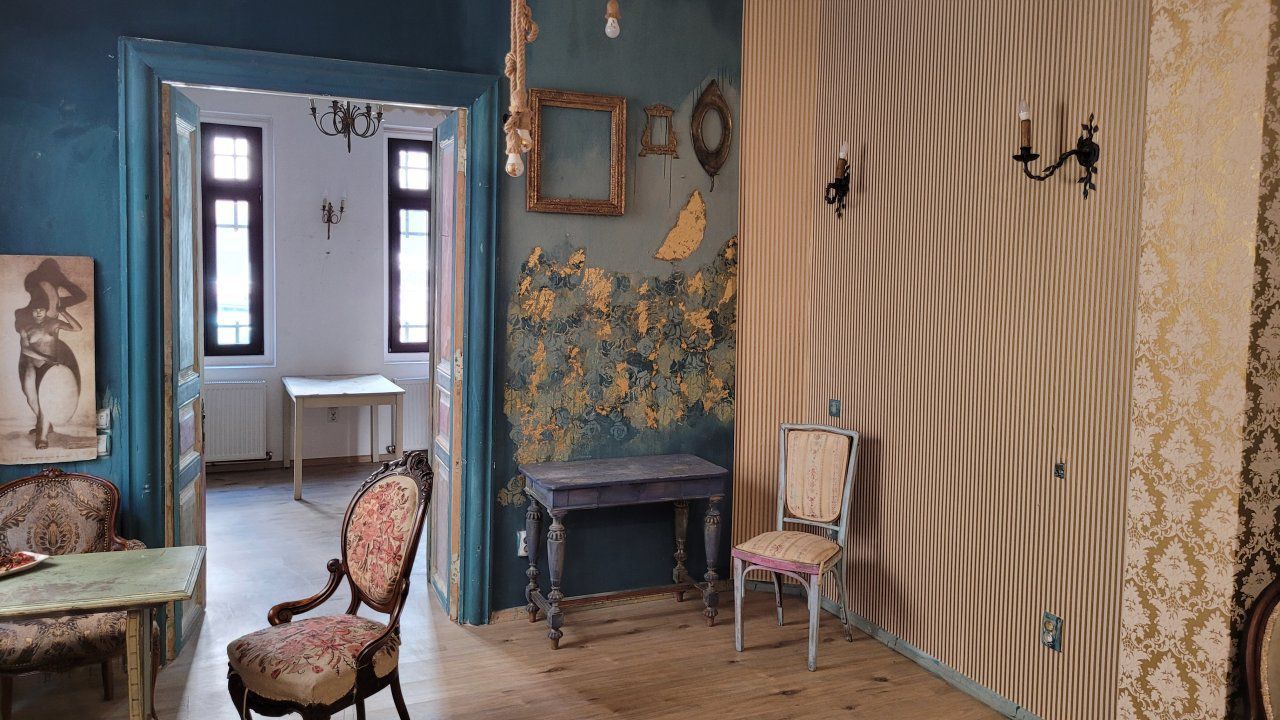
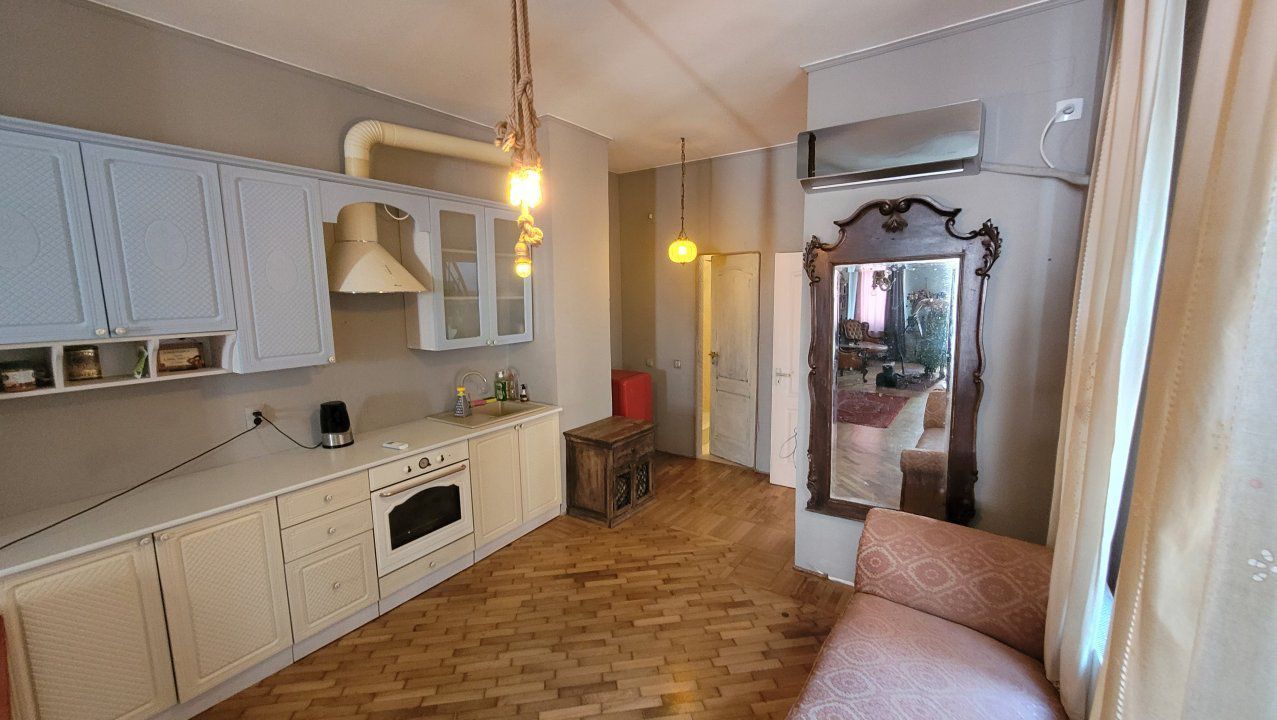
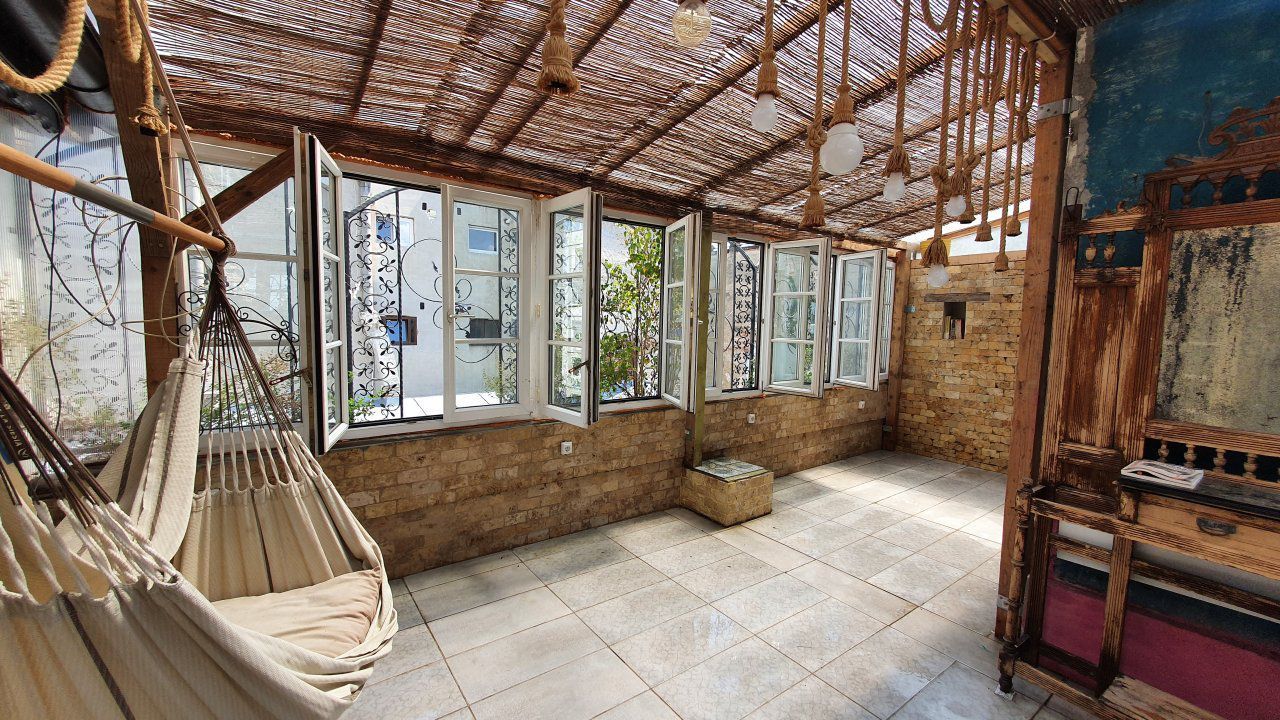
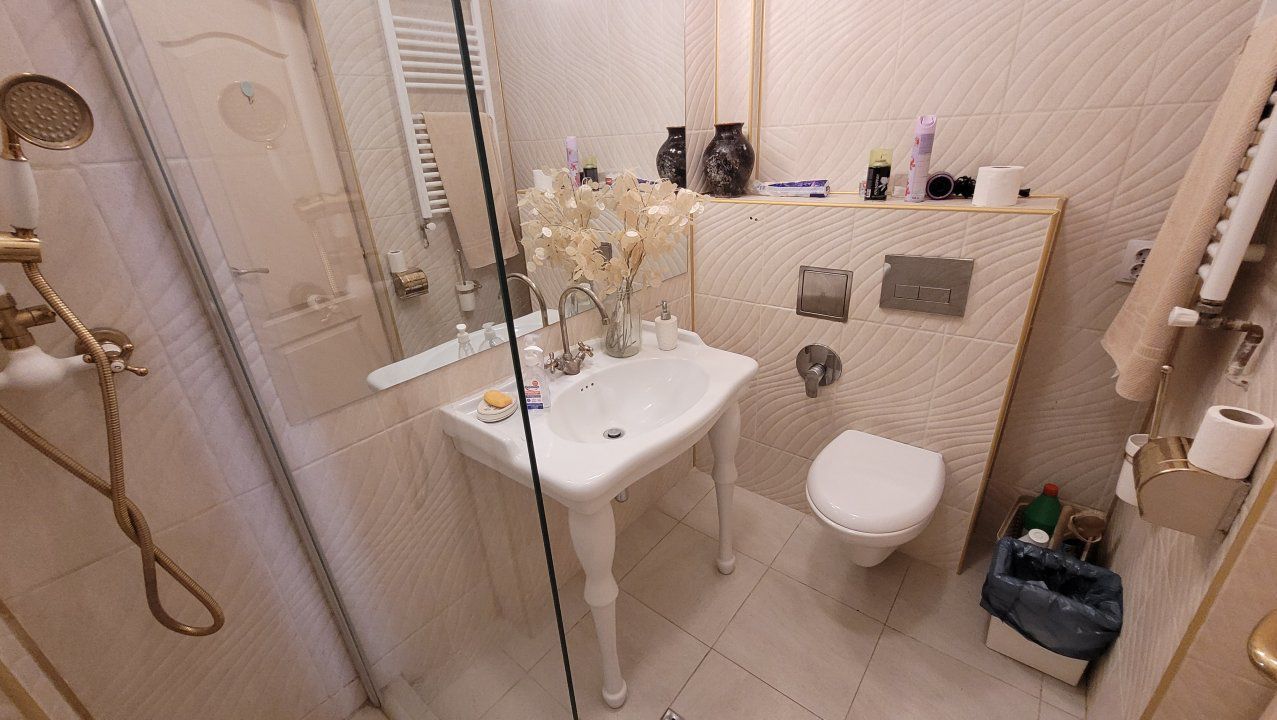
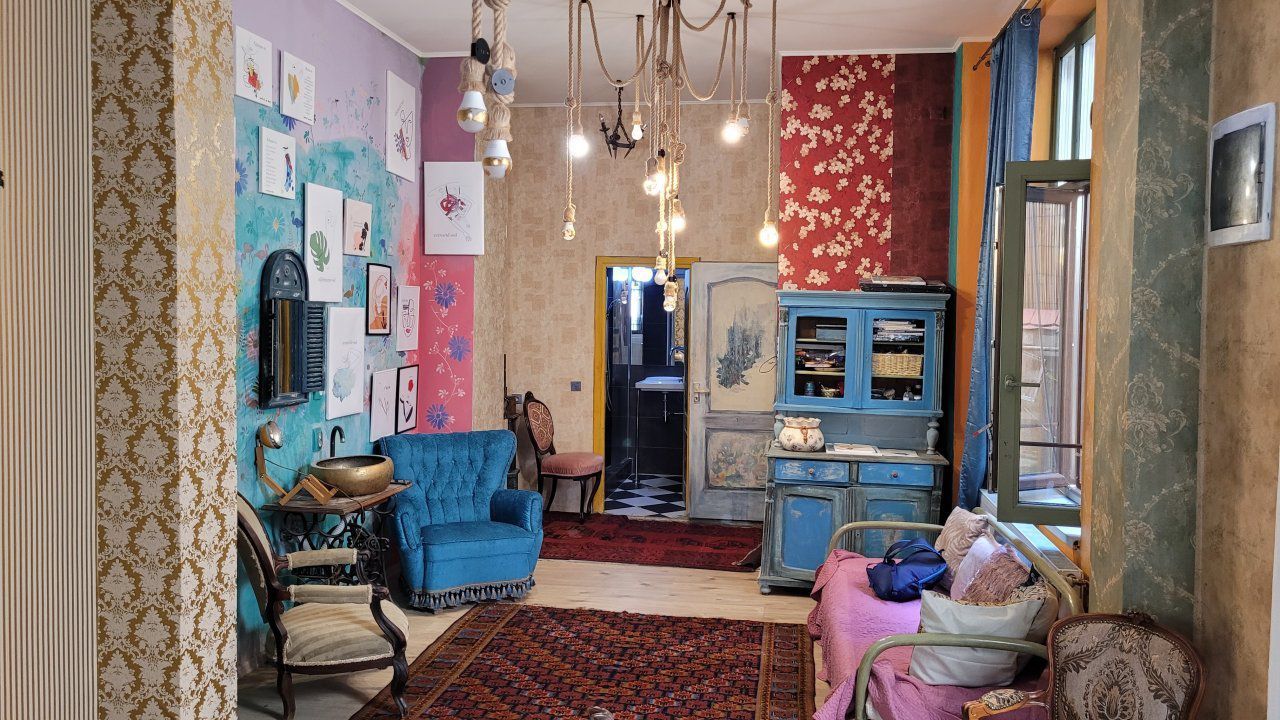
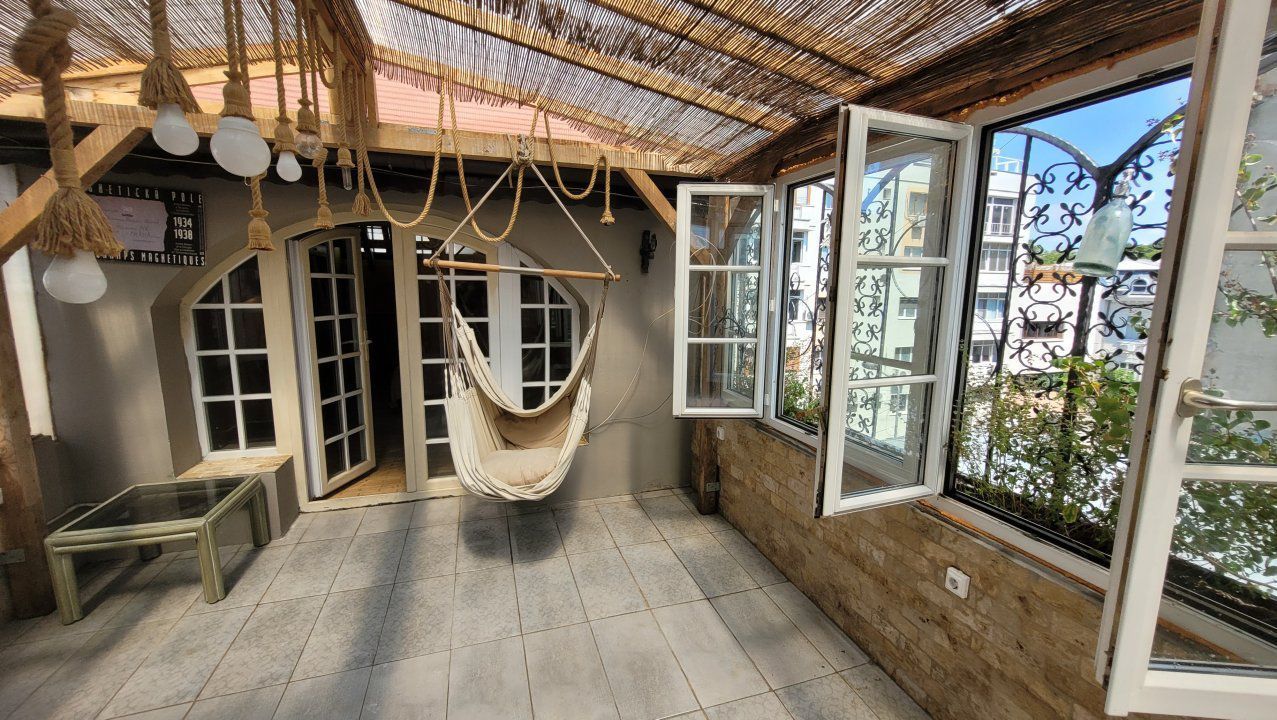
Dorobanti-Capitale, apartment in the represented villa. Ideal office
7,000 € / month
Looking for a property in Victoriei?
Tell us what you need — a Crosspoint consultant takes it from there.